Late-Night Emergency Care When You Need It — Open Until 1 AM

Cats experience behavioral changes throughout life. Their diet, activity level, grooming habits, and wellness needs shift with age. Understanding these stages helps owners provide care and recognize concerns earlier.
This guide explains what to expect during kittenhood, adulthood, mature years, and senior care. You will learn about nutrition, exercise, behavior, home routines, and preventive support that can improve your cat’s comfort. Pet owners can use these insights to build healthier routines and stronger bonds with their companions. Families seeking pet guidance can also find helpful support in Westerville.
Kitten Stage: Birth to One Year
Kittens grow rapidly during their first year. Young cats need balanced meals with protein, hydration, and healthy fats to support development and energy.
Social Development and Training
Kittens learn through play and interaction. Gentle handling helps them feel relaxed around people. Scratching posts, climbing towers, and safe toys encourage indoor activity. Short play sessions also reduce biting and scratching habits.
Litter training develops with consistency and clean spaces. Owners should keep litter boxes in quiet areas and clean them regularly. Positive reinforcement builds trust and encourages behavior.
Early Health Support
Routine care is important during kittenhood. Vaccinations, parasite prevention, and cat wellness plans help monitor growth and identify concerns early. Owners should also discuss spaying or neutering timelines with their care team.
Adult Cat Stage: One to Seven Years
Adult cats still need structure, enrichment, and attention every day. Many adult cats enjoy predictable schedules, resting spaces, and interactive toys.
Nutrition and Weight Management
Weight gain becomes more common during adulthood, especially for indoor cats. Portion control and regular activity support a healthy body condition. Puzzle feeders, climbing shelves, and active games encourage movement.
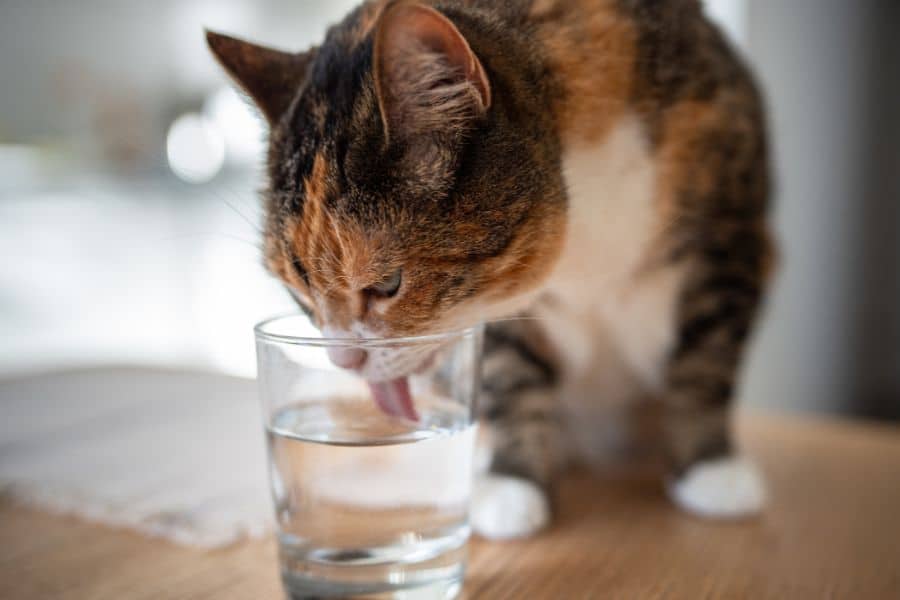
Some cats prefer flowing fountains instead of bowls. Proper hydration supports digestion, kidney function, and wellness.
Emotional and Behavioral Changes
Adult cats may become calmer than kittens. Some cats enjoy frequent attention, while others prefer quiet observation. Changes in behavior, appetite, or grooming habits may signal discomfort or stress.
Owners should monitor dental hygiene during this stage. Dental disease can affect eating habits and comfort. Regular brushing and dental-friendly treats may help support oral health.
Mature Cat Stage: Seven to Ten Years
Mature cats often experience gradual behavioral changes. Their energy levels may decrease, and they may spend more time resting.
Monitoring Long-Term Health
Routine exams become increasingly important during mature years. Cats can develop age-related conditions that remain difficult to notice at home. Weight changes, mobility issues, or litter box changes deserve attention.
Owners can support mature cats by providing soft bedding, quiet spaces, and accessible food and water stations. Elevated jumping may become harder for some cats, making ramps or lower furniture useful.
Senior Cat Stage: Ten Years and Older
Senior cats need thoughtful support to remain comfortable and active. Aging may affect hearing, vision, joints, and digestion.
Comfort and Daily Care
Senior cats benefit from calm environments and stable routines. Heated beds, soft blankets, and low-sided litter boxes improve comfort. Frequent grooming may also help older cats that struggle with self-cleaning.
Some senior cats need diets designed for digestion, joint health, or weight management. Owners should monitor appetite carefully because reduced eating can signal illness.
Watching for Warning Signs
Behavior changes should never be ignored in older cats. Increased thirst, confusion, difficulty jumping, or sudden withdrawal may indicate health concerns.
Building a Lifelong Bond With Your Cat
Cats thrive when owners understand their changing needs. Every life stage brings different routines and rewarding moments. Consistent care and regular wellness visits help cats live healthier lives.
At Westerville Veterinary Clinic, we provide personalized care for cats of every age. Our team supports preventive wellness, nutrition guidance, and routine health monitoring to help your companion stay comfortable.
Conclusion
Cats rely on consistent care through every stage of life. Understanding their changing needs helps owners create healthier routines and stronger relationships at home. If you are located in Westerville, connect with our caring team, where compassionate support and community-focused service help protect your pet’s long-term well-being daily.
Frequently Asked Questions(FAQs):
1. How often should kittens visit for wellness care?
Kittens usually need several appointments during their first year for vaccinations, growth monitoring, and parasite prevention. Regular visits also help owners learn about nutrition, litter training, and healthy social development for indoor and outdoor environments.
2. What are common signs of stress in adult cats?
Stress may appear through hiding, aggression, appetite changes, excessive grooming, or litter box problems. Cats often react strongly to environmental changes, unfamiliar animals, loud sounds, or inconsistent routines within the home environment.
3. Why do senior cats sleep more often?
Older cats naturally become less active because aging affects energy levels and mobility. Increased sleep can be normal, though sudden lethargy, appetite loss, or confusion should still receive prompt attention from an animal care provider.
4. How can I help my cat maintain a healthy weight?
Owners can support a healthy weight through portion control, active play, balanced nutrition, and routine monitoring. Indoor enrichment activities such as climbing towers, puzzle feeders, and scheduled exercise sessions encourage healthy movement and mental stimulation.
5. When should I switch my cat to senior food?
Many cats benefit from senior diets around seven to ten years old, depending on health and activity level. Owners should discuss dietary changes with their care team to support digestion, weight management, and joint comfort needs.
6. Are routine wellness exams important for indoor cats?
Indoor cats still need regular wellness exams because many health conditions develop gradually without obvious symptoms. Routine evaluations help monitor dental health, weight, organ function, mobility, and behavioral changes before problems become more serious.