
Late-Night Emergency Care When You Need It — Open Until 1 AM
Expert Diagnostic Care for your Dog
Accurate Answers for Better Pet Health
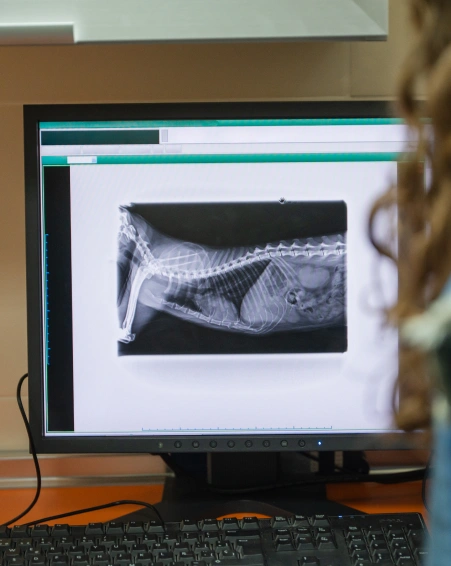
Every pet owner wants clear answers when their dog shows signs of discomfort or unusual behavior. Early detection plays a very important role in protecting your dog’s health and quality of life. Diagnostics help uncover hidden problems before they become serious and harder to treat over time.
When your dog cannot explain how they feel, modern testing methods become essential tools for your veterinarian. These tools help identify infections, organ issues, hormonal imbalances, and many other conditions that may not be visible during a basic physical exam.
Westerville Veterinary Clinic provides dog diagnostic care in Westerville that is both thorough and gentle, ensuring your pet stays calm throughout the process. The goal is always to gather accurate information while keeping your dog as comfortable as possible.
Book Online
What is Diagnostic Care for Dogs?
Dog diagnostics refers to a range of tests and evaluations used to understand your pet’s internal health. These tests help veterinarians detect diseases, monitor ongoing conditions, and guide treatment plans effectively.
Instead of guessing the cause of symptoms, veterinarians rely on science-based testing to make informed decisions, reducing risks and improving the chances of successful treatment.
A complete diagnostic care for dogs often includes laboratory tests, physical examinations, and sometimes specialized screenings, depending on your dog’s condition. These methods work together to provide a clear, detailed picture of your pet’s overall health.

Signs Your Dog May Need Diagnostic Testing
Dogs often show subtle signs when something is wrong, and these signs should never be ignored. Paying attention to changes in behavior or physical condition can help you act quickly.
Here are some common signs that may indicate your dog needs a diagnostic evaluation:
- Loss of appetite or weight changes: A sudden decrease in appetite or unexpected weight loss can signal underlying health issues that require prompt attention and proper testing.
- Frequent vomiting or diarrhea: Ongoing digestive problems may indicate infections, parasites, or internal organ issues that require laboratory testing.
- Low energy or unusual tiredness: If your dog becomes less active than usual, it could be linked to metabolic or hormonal conditions that require further investigation.
- Skin irritation or constant itching: Persistent scratching or redness may be due to allergies or skin infections that require specialized testing.
- Changes in urination or drinking habits: Increased thirst or frequent urination can be early signs of kidney issues, diabetes, or other systemic conditions.
Recognizing these signs early allows your veterinarian to recommend appropriate diagnostic tests and begin treatment without delay.
Comprehensive In-House Laboratory Services
Having access to an in-house laboratory means faster results and quicker treatment decisions. The setup allows your veterinarian to perform essential tests without delays, helping your dog receive timely care.
Complete Blood Count (CBC)
A CBC test measures different components of your dog’s blood, including red blood cells, white blood cells, and platelets. The test helps detect infections, anemia, and immune system issues. It provides valuable insights into how your dog’s body is responding to illness or stress.
Blood Chemistry Panel
This test evaluates organ function by analyzing enzymes and chemical levels in the blood. It helps assess the health of the liver, kidneys, and pancreas. A blood chemistry panel is often used to detect chronic diseases and monitor ongoing treatments.
Thyroid Testing
Thyroid hormones play an important role in regulating metabolism and energy levels. Abnormal thyroid function can lead to weight changes, skin problems, and behavioral shifts. Testing ensures accurate diagnosis and proper management of thyroid-related conditions.
Electrolyte Testing
Electrolytes help maintain fluid balance and support normal body functions. Imbalances can occur due to dehydration, illness, or organ dysfunction. The test helps identify these issues and guides appropriate treatment.
Urinalysis
Urinalysis examines your dog’s urine to detect infections, kidney problems, and metabolic disorders. It is a simple yet powerful tool that provides valuable insights into your pet’s internal health.
Fecal Testing
Fecal tests are used to identify parasites and digestive issues. These tests help ensure your dog is free from harmful organisms that can affect both pets and humans in the household.
These in-house services make veterinary diagnostics more efficient and reliable, ensuring your dog gets the care they need without unnecessary wait times.
Allergy and Dermatology Diagnostics
Skin and allergy problems are very common in dogs and can significantly affect their comfort and well-being. Proper diagnosis is essential for identifying the root cause and providing effective relief.
Diagnostic testing in this area focuses on identifying allergens, infections, and underlying skin conditions. Instead of treating symptoms alone, veterinarians aim to understand what is triggering the issue.
Common diagnostic care for dogs includes:
- Allergy testing: It helps identify environmental or food-related triggers that may be causing itching and irritation.
- Skin evaluations: Detailed examinations help detect infections, mites, or other dermatological conditions affecting your dog’s skin.
- Sample analysis: Skin or ear samples are often examined under a microscope to identify bacteria, yeast, or parasites.
By addressing the root cause, these tests help create a long-term solution for your dog’s comfort and health.
How are Dogs Diagnosed With Diseases?
Many pet owners often wonder how dogs are diagnosed with diseases. The process involves a combination of observation and testing. It usually begins with a detailed physical examination in which the veterinarian assesses your dog’s overall condition, including weight, temperature, heart rate, and visible symptoms.
After the initial exam, diagnostic tests are selected based on the symptoms observed. Blood tests, urine analysis, and imaging studies may be recommended to gather more information.
The results are carefully analyzed to identify patterns and abnormalities, which help the veterinarian determine the exact cause of the problem and develop a personalized treatment plan, ensuring your dog receives an accurate diagnosis and effective care without unnecessary guesswork.
Benefits of Early Diagnostic Testing
Early testing provides many advantages that can improve your dog’s quality of life. It allows veterinarians to detect problems before they become severe and difficult to manage.
Some key benefits include:
- Faster treatment decisions: Quick diagnosis allows treatment to begin sooner, which can prevent complications and improve recovery time.
- Better health outcomes: Early detection often leads to more successful treatment and long-term health management.
- Reduced medical costs over time: Addressing issues early can prevent expensive treatments that may be required for advanced conditions.
- Improved comfort for your pet: Timely care helps reduce pain and discomfort, allowing your dog to stay active and happy.
These benefits highlight why regular diagnostic evaluations are an essential part of responsible pet care.
Personalized Care for Every Dog
Every dog is unique, and their health needs can vary based on age, breed, and lifestyle. Diagnostic care is never one-size-fits-all, and each plan is tailored to suit your pet’s specific condition.
Veterinarians consider multiple factors before recommending tests, including medical history and current symptoms. A personalized approach ensures accurate diagnosis and effective treatment strategies.
By focusing on individual needs, diagnostic care becomes more precise and meaningful, helping your dog live a healthier and more comfortable life.
Keep Your Dog Healthy With Advanced Diagnostic Support
Routine diagnostic evaluations are not only for sick pets but also play a key role in preventive care. Regular testing helps monitor your dog’s health and detect changes early.
Even when your dog appears healthy, underlying conditions can develop without obvious symptoms. Periodic screenings provide peace of mind and help maintain long-term wellness.
By combining advanced testing methods with compassionate care, your veterinarian can support your dog’s health at every stage of life.
Your dog deserves clear answers and the best possible care when health concerns arise. Our team is committed to providing reliable dog diagnostic care in Westerville with a focus on comfort and accuracy. Book an appointment today to ensure your pet receives timely, effective care from trained veterinarians.