
Late-Night Emergency Care When You Need It — Open Until 1 AM
Accurate Answers for Better Care
Understanding the Importance of Early Diagnostic Care
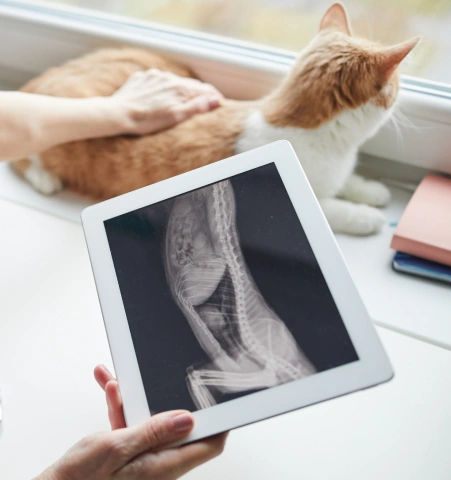
Cats often hide signs of illness until a condition becomes serious and harder to treat. Natural behavior makes routine checkups and timely testing essential for protecting your cat’s long-term health and comfort. Diagnostic care helps uncover hidden problems early, which allows for faster treatment and better outcomes for your pet.
When your cat shows subtle changes like reduced appetite, unusual grooming habits, or changes in litter box behavior, these signs should not be ignored. At Westerville Veterinary Clinic, our veterinarians focus on understanding what is happening inside your pet’s body and creating a care plan that truly works. Our cat diagnostic care in Westerville helps perform early testing that can reveal underlying causes not visible during a physical exam alone.
Book Online
What is Cat Diagnostic Care and Why Does It Matter
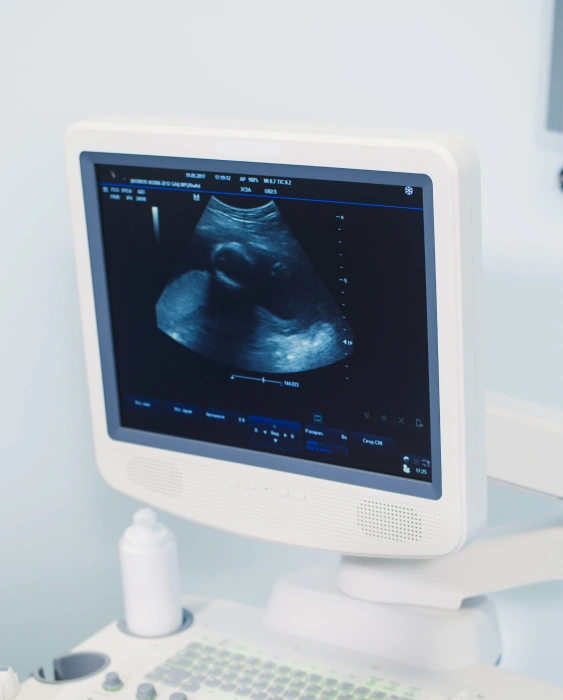
Diagnostic care for cats encompasses a wide range of tests and evaluations used to detect, confirm, and monitor health conditions. These services provide valuable insights into organ function, infections, allergies, and overall wellness. Without proper testing, many illnesses could go unnoticed until they become severe and more expensive to treat.
Veterinary professionals use these tools to gather detailed information about your cat’s health. Instead of guessing or relying solely on symptoms, diagnostic testing provides clear, accurate answers, improves treatment success, and reduces stress for both the pet and the owner. Choosing reliable diagnostic care for your cat ensures they receive the attention and accuracy they deserve.
Signs Your Cat May Need Diagnostic Testing
Cats rarely show obvious signs of illness in the early stages, so it is important to watch for small changes in behavior and routine. These changes can often signal underlying health concerns that require professional evaluation.
- Changes in eating habits: If your cat suddenly eats less or more than usual, it may indicate digestive issues or metabolic conditions that need attention.
- Litter box irregularities: Increased urination, difficulty passing stool, or accidents outside the litter box can signal urinary or gastrointestinal problems.
- Low energy levels: Decreased activity or unusual lethargy may be linked to infections, pain, or chronic diseases.
- Skin and coat issues: Hair loss, itching, or redness may indicate allergies, infections, or dermatological conditions.
- Weight changes: Unexpected weight gain or loss often signals underlying metabolic or systemic health issues.
Recognizing these signs early and seeking timely testing can make a major difference in your cat’s recovery and overall well-being.
Comprehensive In-House Laboratory Services
Having access to an in-house laboratory allows for faster, more accurate results, which helps veterinarians make timely decisions about your cat’s care, reduces delays, lowers your pet's stress, and provides quicker relief from symptoms.
Complete Blood Count (CBC)
A Complete Blood Count is one of the most common and valuable cat veterinary tests. It evaluates red blood cells, white blood cells, and platelets to detect infections, anemia, and immune system issues. The test provides a clear overview of your cat’s internal health and helps identify problems early.
Blood Chemistry Panel
This test examines organ function, including the liver and kidneys, which are critical for maintaining overall health. It also measures glucose levels and other important markers that can indicate chronic conditions. A blood chemistry panel is essential for diagnosing and monitoring long-term diseases.
Thyroid Testing
Thyroid problems are common in older cats and can cause weight loss, increased appetite, and behavioral changes. Thyroid testing helps detect hormonal imbalances and ensures proper treatment to restore your cat’s quality of life.
Electrolyte Testing
Electrolytes play a vital role in maintaining hydration and proper organ function. Imbalances can occur due to illness or dehydration and may lead to serious complications if not addressed promptly.
Urinalysis
Urinalysis provides valuable information about kidney health, urinary tract infections, and metabolic conditions. It is a simple yet powerful test that can reveal hidden issues affecting your cat’s comfort and health.
Fecal Testing
Fecal exams are used to detect parasites and digestive issues that may not be visible through symptoms alone. Regular testing helps protect your cat and prevents the spread of parasites within your home.
Advanced Allergy and Dermatology Diagnostics
Skin and coat problems are among the most common concerns, and they often require specialized diagnostic care for cats. Allergy and dermatology services help identify the root cause of itching, redness, and hair loss.
Veterinarians use a combination of tests and evaluations to determine whether allergies, infections, or other factors cause your cat’s condition. Proper diagnosis ensures that treatment targets the exact cause rather than just managing symptoms, an approach that leads to long-lasting relief and healthier skin for your cat.
How Diagnostic Testing Improves Treatment Outcomes
Accurate diagnosis is the foundation of effective treatment. Without proper testing, treatment plans may be based on assumptions, which can lead to delays or ineffective care. Diagnostic testing eliminates uncertainty and provides clear answers that guide medical decisions.
When veterinarians have precise information, they can choose the most appropriate medications, therapies, or dietary changes for your cat, which not only improves recovery time but also reduces unnecessary treatments and costs. Feline diagnostics play a crucial role in ensuring that every step of your cat’s care is based on reliable data.
Preventive Care Through Routine Testing
Routine diagnostic testing is not only for sick cats. Preventive care plays an important role in maintaining long-term health and catching potential issues before they become serious. Regular screenings can detect early signs of disease, even when your cat appears healthy.
Preventive testing often includes blood work, urinalysis, and parasite screening. These tests help monitor changes over time and provide a baseline for your cat’s health. By staying proactive, you can help ensure your cat enjoys a longer, healthier life with fewer unexpected health issues.
Personalized Care for Every Cat
Every cat is unique, and their diagnostic needs may vary based on age, lifestyle, and medical history. A personalized approach ensures that each cat receives the most appropriate tests and care plan. Kittens, adult cats, and senior cats all have different health requirements that must be considered during diagnostic evaluations.
Veterinary teams take the time to understand your cat’s specific needs and concerns, and a tailored approach ensures that testing is both effective and relevant, avoiding unnecessary procedures while focusing on what truly matters for your pet’s health.
What to Expect During a Diagnostic Visit
Understanding what happens during a diagnostic visit can help you feel more prepared and confident. The process usually begins with a detailed discussion about your cat’s symptoms and medical history, which helps guide the selection of appropriate tests.
After the initial evaluation, samples such as blood, urine, or stool may be collected for analysis. Results from in-house testing are often available quickly, allowing for immediate discussion and treatment planning. An efficient process ensures that your cat receives timely care without unnecessary delays.
Give Your Cat the Care They Deserve Today
Your cat depends on you to notice changes and take action when something feels off. Diagnostic care provides the answers needed to protect your pet’s health and comfort. With advanced testing and a caring approach, you can ensure your cat receives an accurate diagnosis and effective treatment.
If your cat is showing signs of illness or is due for cat diagnostic care in Westerville, contact Westerville Veterinary Clinic today and give your cat the care they need for a healthier future.