Late-Night Emergency Care When You Need It — Open Until 1 AM
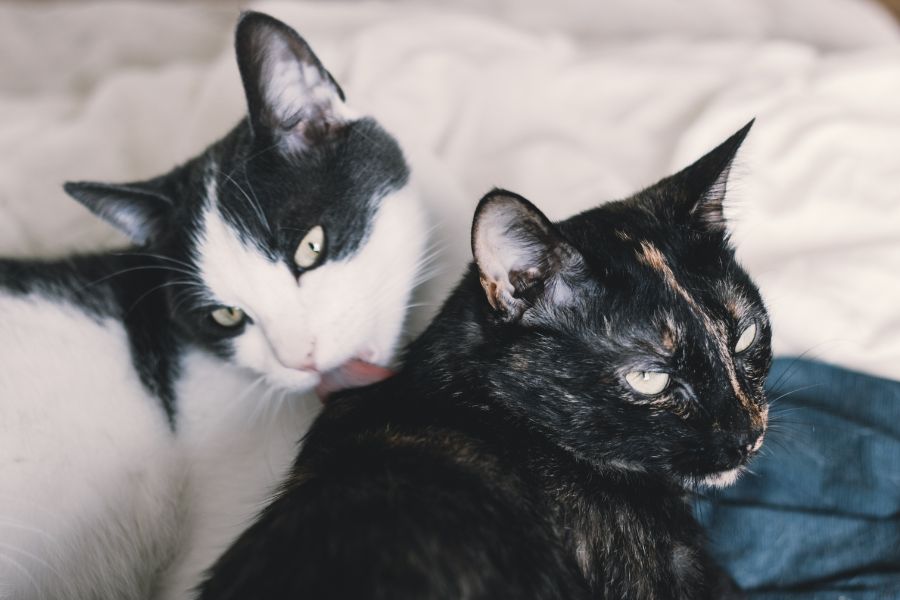
Living with cat allergies does not always mean giving up the idea of having a feline companion. Some breeds are known to produce fewer allergens, making them a better match for sensitive individuals. This guide explores hypoallergenic cat breeds, what makes them different, and how to manage allergies while enjoying pet ownership.
You will also learn about grooming habits, home care tips, and lifestyle adjustments that support both you and your cat. If you live in Westerville, this information can help you make a confident and informed choice.
What Does Hypoallergenic Really Mean?
No cat is completely allergen-free. Allergies are usually triggered by a protein found in a cat’s saliva and skin oils. When cats groom themselves, this protein spreads to their fur and the environment. Hypoallergenic breeds tend to produce less of this protein or shed less hair, which reduces exposure.
Understanding this helps set realistic expectations. Choosing the right breed is important, but daily care routines also play a major role in managing symptoms.
Why Breed Selection Matters
Some breeds naturally produce fewer allergens or have coats that trap dander more effectively. This can reduce how much allergen spreads around your home. Pairing the right breed with good hygiene practices creates a more comfortable living environment.
Lifestyle also matters. Busy households, smaller apartments, and families with children should consider a breed’s temperament along with allergy concerns.
Top Hypoallergenic Cat Breeds
1. Siberian
The Siberian cat is often recommended for allergy sufferers. Despite its thick coat, it produces lower levels of allergenic proteins compared to many other breeds.
Siberians are affectionate, social, and adaptable. Their friendly nature makes them a great choice for families. Regular brushing helps maintain their coat and further reduces loose allergens.
2. Balinese
Balinese cats are known as long-haired Siamese, but they produce fewer allergens than expected. Their silky coat does not mat easily and sheds less than many other long-haired breeds.
They are vocal, intelligent, and enjoy interaction. This breed thrives in homes where they receive attention and mental stimulation.
3. Bengal
Bengals have a short, dense coat that requires minimal grooming. Their unique fur texture helps limit the spread of dander.
These cats are energetic and curious. They need space to explore and benefit from interactive toys. Their activity level helps maintain a healthy weight, which is important for avoiding issues seen in overweight pets.
4. Russian Blue
The Russian Blue is a popular hypoallergenic option. It produces lower levels of allergens and has a plush double coat that traps dander.
This breed is gentle and reserved. It forms strong bonds with its owners and prefers calm environments. Consistent routines help them feel secure.
5. Sphynx
The Sphynx is hairless, which reduces shedding but does not eliminate allergens. Their skin still produces oils that require regular cleaning.
Weekly baths are essential. This breed is affectionate and enjoys human companionship. Their unique appearance and personality make them a favorite among allergy sufferers willing to commit to grooming.
6. Devon Rex
Devon Rex cats have short, curly coats that shed very little. Their fine fur reduces the spread of allergens around the home.
They are playful and mischievous. This breed enjoys climbing and exploring. Their small size and active nature make them suitable for apartment living.
Managing Allergies at Home
Choosing a hypoallergenic breed is only part of the solution. Daily habits can significantly reduce allergen exposure.
1. Keep Your Home Clean
Frequent vacuuming with a HEPA filter helps remove pet hair and dander. Washing bedding and curtains regularly also limits allergen buildup.
Air purifiers can improve indoor air quality. Placing them in common areas creates a noticeable difference.
2. Groom Your Cat Regularly
Brushing your cat helps remove loose hair and reduces allergens. Some owners prefer to groom their cats outdoors to keep allergens from spreading inside.
Bathing certain breeds, like the Sphynx, is essential. Always use gentle products designed for cats.
3. Create Allergen-Free Zones
Keeping your bedroom pet-free can improve sleep quality. Designating specific areas for your cat helps control where allergens accumulate.
Furniture covers and washable surfaces make cleaning easier.
Lifestyle Considerations
Your daily routine should align with your chosen breed. Active breeds need engagement, while calmer cats prefer quiet spaces. Feeding balanced meals and encouraging play prevents health concerns, including those related to overweight pets.
If you are unsure which breed suits your lifestyle, consulting a local veterinary team can help guide your decision.
If you’re located in Westerville and looking for trusted veterinary care near you, then schedule an appointment with Westerville Veterinary Clinic. You can also explore their full range of services by visiting their homepage to learn how they support pets at every stage of life.
Local Tips for Westerville Residents
Seasonal changes in Westerville can influence allergy symptoms. Spring and fall often bring higher pollen levels, which can combine with pet allergens.
Keeping windows closed during high pollen days and using air conditioning can help. Regular grooming becomes even more important during these seasons.
Local pet stores often carry allergy-friendly cleaning products and grooming supplies. Choosing the right tools makes daily maintenance easier and more effective.
Conclusion
Finding the right hypoallergenic cat breed can make pet ownership possible for individuals with allergies. Careful selection, consistent grooming, and a clean home environment all contribute to a better experience.
Understanding your lifestyle and the needs of each breed ensures a lasting and comfortable relationship. We are conveniently located in Westerville, OH. Reach out to our facility at 69 Huber Village Blvd, Westerville, OH 43081—where compassionate care and community come together for your pet’s well-being.
Frequently Asked Questions(FAQs):
1. Are hypoallergenic cats completely safe for allergy sufferers?
A: Hypoallergenic cats are not completely allergen-free. They produce fewer allergens, which may reduce symptoms. Individual reactions vary, so spending time with a breed before adoption helps determine compatibility.
2. Which cat breed is best for severe allergies?
A: Breeds like Siberian and Russian Blue are often recommended due to lower allergen levels. However, no breed guarantees zero reactions. Personal sensitivity and home care routines also influence outcomes.
3. How can I reduce cat allergens at home?
A: Regular cleaning, air purifiers, and grooming routines help control allergens. Washing fabrics and limiting your cat’s access to certain areas also reduces exposure effectively.
4. Do hairless cats cause fewer allergies?
A: Hairless cats like the Sphynx shed less, but they still produce allergens through skin oils. Regular bathing is necessary to manage allergen buildup on their skin.
5. Can diet affect allergens in cats?
A: A balanced diet supports skin and coat health, which may influence allergen production. Healthy cats groom efficiently, which can help reduce loose dander in the environment.
6. Is it possible to build tolerance to cat allergies?
A: Some individuals may develop mild tolerance over time with controlled exposure. This varies widely. Consulting a healthcare provider before adopting a cat is a practical step.