Late-Night Emergency Care When You Need It — Open Until 1 AM
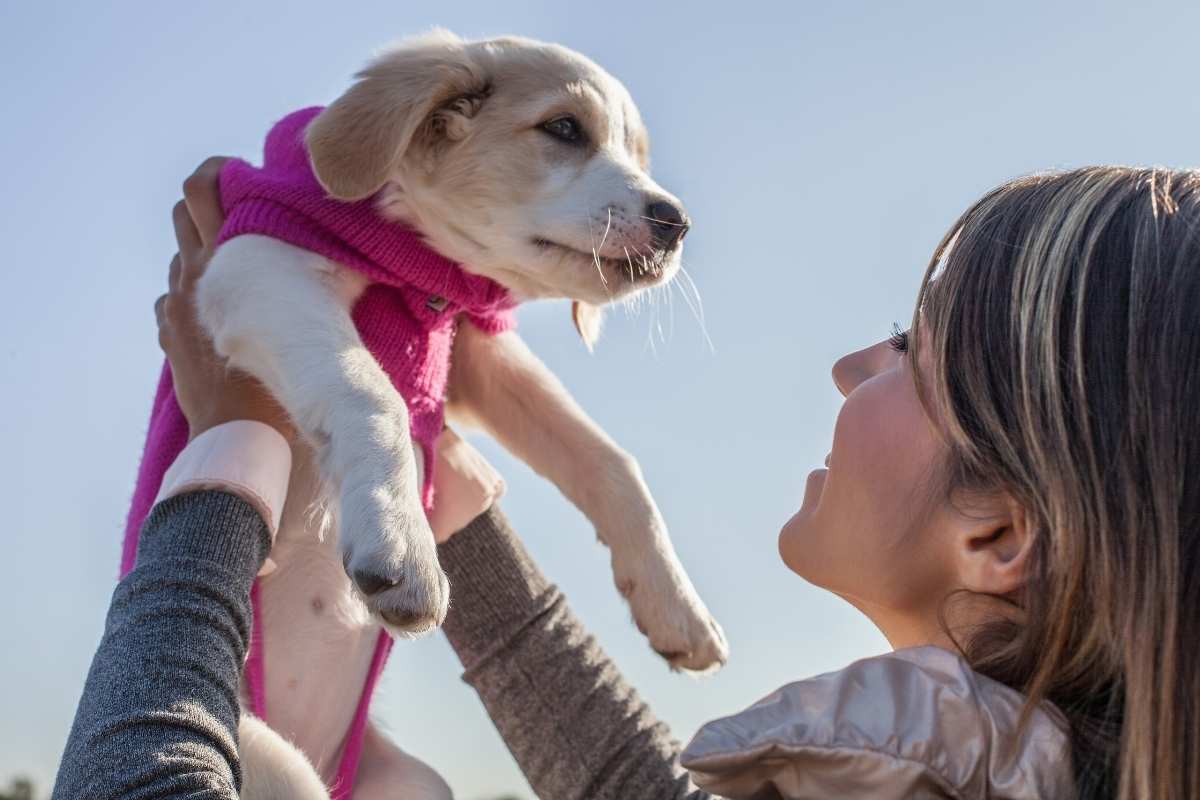
Welcoming a rescue dog into your life is one of the most rewarding experiences a pet owner in Westerville, Ohio, can have — but it also comes with its own set of challenges. One of the most helpful tools in understanding your dog’s transition is the 3-3-3 Rule, a simple guideline that outlines the stages of adjustment for newly adopted dogs. Whether you’re adopting your first rescue or adding another furry member to your family, knowing what to expect can strengthen your bond and set the foundation for lifelong trust.
What Is the 3-3-3 Rule?
The 3-3-3 Rule is a commonly referenced timeline that illustrates how rescue dogs typically acclimate to their new home:
- 3 Days: Time to decompress
- 3 Weeks: Time to learn your home routines
- 3 Months: Time to feel secure and show their true personality
It is not a strict schedule but rather a useful framework for understanding your dog’s emotional and behavioral adjustments.
First 3 Days: Decompression and Confidence Building
When a dog first arrives home, they are often overwhelmed by the new environment, sounds, and routines. During the first three days:
- Your dog may seem shy, nervous, or uncertain.
- They might eat less, sleep more, or explore slowly.
- Potty accidents and hiding are common behaviors.
This phase is all about emotional decompression — your dog is processing the dramatic change they just experienced. Provide a quiet, safe area, minimal introductions to visitors, and plenty of patience.
Next 3 Weeks: Learning Your Routine
Once the initial shock wears off, your rescue dog will start to become more familiar with your home life. This is when they:
- Begin to understand routines (feeding, walks, bedtime).
- Explore more confidently.
- Start to learn basic boundaries and commands.
This period is ideal for consistent training and positive reinforcement — not only does it build good behavior, but it also strengthens trust between you and your pet. Remember, every dog’s pace will vary, but establishing structure now will create long-term benefits.
First 3 Months: Feeling Really at Home
The final phase of the 3-3-3 Rule focuses on your dog feeling truly settled:
- Your dog begins showing more of their personality.
- They become more secure and relaxed.
- Bonding becomes deeper and more natural.
By three months in, most dogs start trusting you and their environment. However, some may take longer — especially if they’ve had difficult past experiences. Being patient and supportive throughout this phase ensures your rescue dog gains confidence at their own pace.
Veterinary Care During the Adjustment Period
Proper veterinary care is essential during each stage of this transition. A wellness check soon after adoption helps make sure your dog’s health needs are addressed, and routine follow-ups can monitor stress-related behaviors or medical issues that may emerge.
Routine checkups with professionals like WestVets Veterinary Clinic in Westerville, Ohio, can offer personalized advice on nutrition, behavior, and even anxiety management strategies that support your new pet’s wellbeing.
Whether your dog needs a basic wellness exam or behavior guidance, compassionate veterinary support will help your rescue thrive in their new home.
Tips to Support Your Rescue Dog
- Establish predictable routines – feeding, walks, and sleep schedules help reduce stress.
- Positive reinforcement training – reward desirable behavior rather than punish mistakes.
- Create safe spaces – provide comfortable bedding and a quiet corner for rest.
- Gradual social introductions – let your dog meet new people or pets slowly.
- Observe and adapt – every rescue dog is unique; flexibility and patience go a long way.
To ensure your rescue dog gets the best possible start, schedule your appointment with WestVets Veterinary Clinic today. From wellness exams to behavior support, expert care makes every stage of your dog’s transition smoother and healthier.
FAQs:
Q1. What does the 3-3-3 rule mean for rescue dogs?
Ans. It’s a general guideline that helps pet owners understand how a rescue dog typically adjusts — emotionally and behaviorally — during the first 3 days, 3 weeks, and 3 months after adoption.
Q2. How can I help my rescue dog settle in faster?
Ans. Establish routines, use positive reinforcement, give them safe spaces, and avoid overwhelming experiences, especially in the early days.
Q3. Should I be concerned if my dog isn’t following the 3-3-3 timeline exactly?
Ans. No — every dog adjusts differently. Some may take longer than three months to feel fully comfortable, particularly if they have a challenging past.
Q4. When should I consult a veterinarian during this transition?
Ans. If your dog shows persistent anxiety, health concerns, or unusual behavior, consult your veterinarian promptly for personalized care and advice.
Q5. Why is veterinary support important after adopting a rescue?
Ans. A vet can help rule out health issues, offer behavior support, and set up a tailored care plan that supports your pet’s long-term wellbeing.