Late-Night Emergency Care When You Need It — Open Until 1 AM
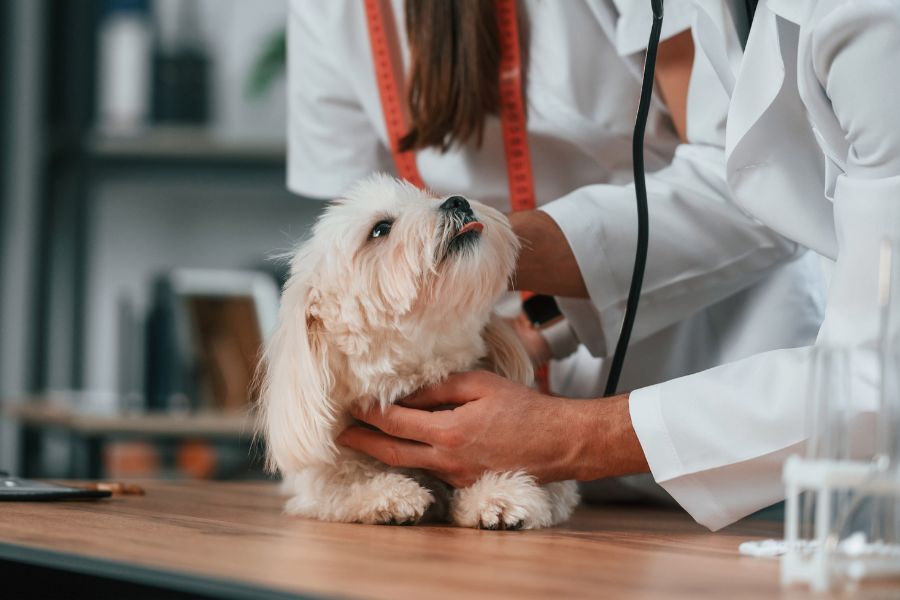
Modern animal medicine has changed rapidly in recent years. Advanced imaging, digital monitoring tools, laboratory testing, and minimally invasive procedures now help pets receive faster and more accurate diagnoses. Many clinics use technology once found only in large hospitals for people.
Pet owners can now identify illnesses earlier, improve treatment plans, and support long-term wellness with greater confidence. This article explains how diagnostic tools are improving care, how they compare with human healthcare systems, and why early detection matters for pets of every age.
The Rise of Advanced Diagnostic Technology
Diagnostic technology has become a major part of modern pet health services. Digital X-rays, ultrasound imaging, CT scans, MRI systems, and in-house laboratory testing now help doctors evaluate conditions with speed and accuracy.
Many pet owners notice symptoms such as fatigue, appetite loss, limping, coughing, or digestive problems without understanding the cause. Advanced testing helps identify hidden concerns before they become severe.
This clear communication strengthens trust between families and medical teams.
Digital Imaging Is Improving Accuracy
1. X-rays and Ultrasound
Digital imaging systems allow doctors to evaluate bones, organs, and soft tissue. Digital X-rays produce faster results than traditional film methods. Ultrasound technology helps examine the heart, liver, kidneys, bladder, and digestive system without surgery.
These tools help identify fractures, internal injuries, tumors, and fluid buildup at earlier stages.
2. CT Scans and MRI
CT scans and MRI systems provide highly detailed internal images. These technologies are often used for neurological conditions, spinal injuries, nasal disease, joint problems, and cancer evaluations. Human hospitals have relied on these tools for years. Their growing presence in animal medicine shows how quickly standards are evolving.
Laboratory Testing Supports Faster Decisions
In-house laboratory equipment now provides rapid bloodwork, urinalysis, and infection screening. Clinics can review results within hours instead of waiting several days. Faster testing supports immediate treatment decisions during emergencies and routine visits.
Advanced blood panels can identify organ disease, hormone imbalance, diabetes, and inflammatory conditions earlier than before. Genetic testing has also become more common.
Many hospitals now use digital tracking systems that compare test results over time.
Monitoring Technology Is Becoming Smarter
Wearable monitoring devices are becoming more common in pet healthcare. Some collars and trackers measure activity levels, sleep quality, heart rate, and movement patterns. These tools help identify behavioral or physical changes that may signal illness.
Remote monitoring technology also supports recovery after surgery. Doctors can evaluate healing progress while reducing unnecessary clinic visits.
Telemedicine services are also expanding. Follow-up consultations, medication reviews, and recovery updates can often happen online. This approach improves access to care for busy pet owners seeking reliable veterinary care from professionals.
Cancer Detection and Specialized Testing
Cancer screening technology has improved significantly in recent years. Earlier detection creates more treatment options and improves comfort for pets facing conditions.
Advanced biopsy methods, imaging tools, and laboratory testing help doctors identify abnormal cells. Some clinics now offer liquid biopsy testing, which detects cancer markers through blood samples.
Specialized diagnostics also support cardiology, dermatology, ophthalmology, and internal medicine services.
Pet owners often compare these services to modern human healthcare because the diagnostic process now follows a similar path.
Why Early Detection Matters
Early diagnosis supports better outcomes for many medical conditions. Kidney disease, arthritis, heart disease, diabetes, and cancer often respond more effectively when identified during the early stages.
Routine wellness exams play a major role in preventive care. Regular screenings help detect subtle changes before symptoms become severe. Many families searching for a veterinarian near you value clinics that focus on prevention and education rather than emergency treatment alone.
Pet owners want understandable explanations, transparent recommendations, and practical guidance throughout the diagnostic process.
Conclusion
Advanced diagnostics continue transforming modern pet healthcare through improved imaging, laboratory testing, monitoring tools, and specialized evaluations. These technologies support earlier detection, faster treatment decisions, and stronger communication between doctors and pet owners.
Families now have access to medical tools that closely resemble those used in human healthcare settings. If you’re located in Westerville and searching for a trusted veterinarian near you, meet our team, where we provide compassionate guidance, advanced support, and personalized care for your beloved companion.
Frequently Asked Questions(FAQs):
1. How do advanced diagnostics help pets?
A: Advanced diagnostics identify illnesses earlier and improve treatment accuracy. Imaging, blood testing, and monitoring tools provide detailed information that supports faster medical decisions and more personalized care plans for pets with injuries, chronic illness, or unexplained symptoms.
2. Are CT scans and MRI safe for pets?
A: CT scans and MRI procedures are generally safe when performed by trained professionals. Many pets receive light sedation for comfort and stillness during imaging. These tools help doctors evaluate internal conditions with greater detail and precision.
3. Why is early detection important in pet healthcare?
A: Early detection improves treatment success for many conditions, including cancer, diabetes, kidney disease, and heart problems. Identifying illness before symptoms worsen often reduces discomfort and supports a healthier quality of life for pets.
4. Can wearable devices monitor pet health?
A: Wearable devices track movement, sleep patterns, heart rate, and activity levels. Sudden changes may indicate pain, illness, or stress. These tools help doctors and pet owners monitor health trends and recovery progress more effectively over time.
5. Do advanced diagnostic tools replace regular checkups?
A: Advanced testing supports routine care but does not replace wellness exams. Regular visits allow doctors to evaluate physical health, discuss behavioral changes, and recommend screenings that match a pet’s age, breed, and lifestyle needs.
6. Are advanced diagnostic services available at local clinics?
A: Many local clinics now offer digital imaging, laboratory testing, and telemedicine consultations. Some hospitals also work with specialists for advanced evaluations. Asking about available technology helps families choose the right care provider for their pets.