
Late-Night Emergency Care When You Need It — Open Until 1 AM
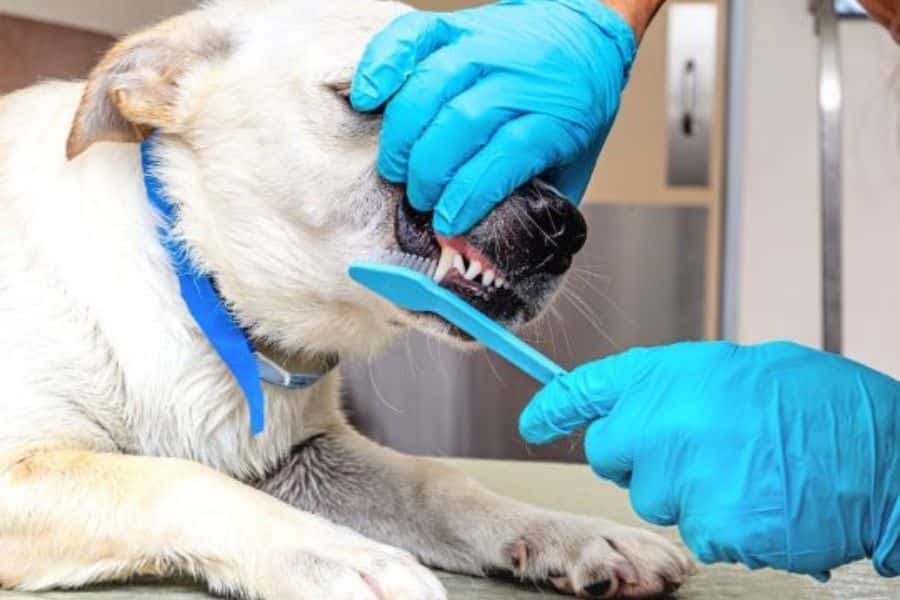
A painful tooth can turn into a serious health concern faster than many pet owners expect. Broken teeth, facial swelling, bleeding, infected gums, trouble eating, and sudden mouth pain can signal a problem needing prompt attention.
This guide explains which dental signs need same-day attention, what you can safely do at home, when urgent care for pets is appropriate, and how professional treatment can protect your pet’s comfort and health. For families in Westerville, knowing these warning signs can help you act before a small dental issue becomes a larger health problem.
Signs Your Pet’s Dental Problem Needs Prompt Attention
Pets often hide pain. Watch for changes that appear suddenly or worsen quickly.
Facial Swelling or a Lump
Swelling around the cheek, jaw, or under the eye can indicate an infected tooth or pocket of infection. A warm, painful lump deserves prompt assessment.
Bleeding That Does Not Stop
A small amount of blood after chewing something rough may not be serious. Persistent bleeding or blood pooling in the mouth requires timely care.
Difficulty Eating or Drinking
Dropping food, chewing on one side, refusing hard food, crying while eating, or avoiding water can point to dental pain.
A Broken or Loose Tooth
A fractured tooth can expose sensitive inner tissue and allow bacteria to enter. A loose adult tooth can indicate injury, advanced dental disease, or damage beneath the gumline.
When Dental Pain Can Affect Overall Health
Damaged teeth and infected gums can create ongoing discomfort and inflammation. An untreated infection may spread into nearby tissues and cause facial swelling, fever, lethargy, or reduced appetite.
Hiding, restlessness, pawing at the mouth, excessive drooling, unusual aggression, or reluctance to be touched around the face can signal pain.
A pet with severe pain, heavy bleeding, marked swelling, weakness, breathing difficulty, or an inability to swallow needs immediate professional attention.
What You Can Do Before Your Pet Is Seen
Keep your response simple and safe. Remove hard toys, bones, and treats that could worsen an injured tooth. Offer soft food if your pet can eat comfortably.
Do not squeeze a swollen area or attempt to pull a loose tooth. Do not use human pain relievers unless a pet professional specifically tells you to do so.
If your pet has facial swelling, bleeding, severe pain, or another concerning dental sign, contact a clinic. Ask whether your pet should be seen immediately and follow the instructions provided.
What Professional Dental Care May Include
Treatment depends on the cause and severity of the problem. A pet may need a mouth examination, dental X-rays, cleaning, medication, removal of a damaged tooth, or treatment for an infection.
Dental X-rays can reveal damaged roots, bone changes, or infection that cannot be seen during a simple visual check.
Prompt treatment can relieve pain and prevent a localized problem from becoming more complicated.
How to Prevent Future Dental Problems
Daily dental care can reduce the buildup that contributes to gum disease. Brush your pet’s teeth with products made for animals and introduce brushing gradually.
Regular dental checkups can help identify tartar, gum irritation, loose teeth, and fractures before they cause obvious discomfort.
Pay attention to changes in breath, eating habits, chewing behavior, and play.
A Simple Decision Guide
Use your pet’s symptoms as the guide. Tartar or bad breath calls for a dental discussion. Pain, a broken tooth, or eating changes call for prompt scheduling. Swelling, uncontrolled bleeding, breathing trouble, or inability to swallow call for immediate attention. Photos or notes about symptom timing can help the care team understand the situation.
Conclusion
A dental problem can become urgent when pain, infection, bleeding, swelling, or difficulty eating begins to affect your pet’s daily life. Recognizing these signs gives you a better chance to seek help before the condition becomes harder to manage. Keep hard objects away from an injured mouth, avoid unsafe medications, and contact a professional when symptoms are severe or rapidly changing.
If your pet needs urgent attention, call us at 614-882-2332 for guidance about the next step. If you’re located in Westerville, reach out to Westerville Veterinary Clinic—where compassionate care and community come together for your pet’s well-being.
Frequently Asked Questions
1. How do I know if my pet’s tooth is infected?
A: Facial swelling, bad breath, drooling, difficulty eating, pawing at the mouth, or sudden sensitivity can suggest infection. A professional examination is needed to confirm the cause and determine whether medication or dental treatment is necessary.
2. Can a broken tooth wait until a regular appointment?
A: A minor chip without pain may sometimes wait for scheduled care. A deep fracture, bleeding, swelling, exposed tissue, or obvious pain needs prompt assessment because bacteria can reach sensitive structures inside the tooth.
3. Should I give my pet pain medicine for tooth pain?
A: Do not give human pain medicine unless specifically instructed by a pet professional. Some medications can cause serious toxicity in animals. Contact a clinic for safe guidance based on your pet’s size and condition.
4. Why is my pet drooling suddenly?
A: Sudden drooling can occur with mouth pain, a damaged tooth, gum irritation, nausea, or something trapped in the mouth. If drooling is heavy, persistent, bloody, or paired with swelling or trouble swallowing, seek prompt care.
5. Can dental disease make my pet stop eating?
A: Yes. Painful gums, fractured teeth, oral infection, or advanced dental disease can make eating uncomfortable. Refusing food, dropping meals, or losing interest in treats should be taken seriously, especially when accompanied by other pain signs.
6. When should I seek urgent dental care for my pet?
A: Seek prompt care for uncontrolled bleeding, severe facial swelling, intense pain, breathing difficulty, inability to swallow, extreme weakness, or refusal to eat or drink. These signs can indicate a serious problem requiring immediate assessment.