Late-Night Emergency Care When You Need It — Open Until 1 AM
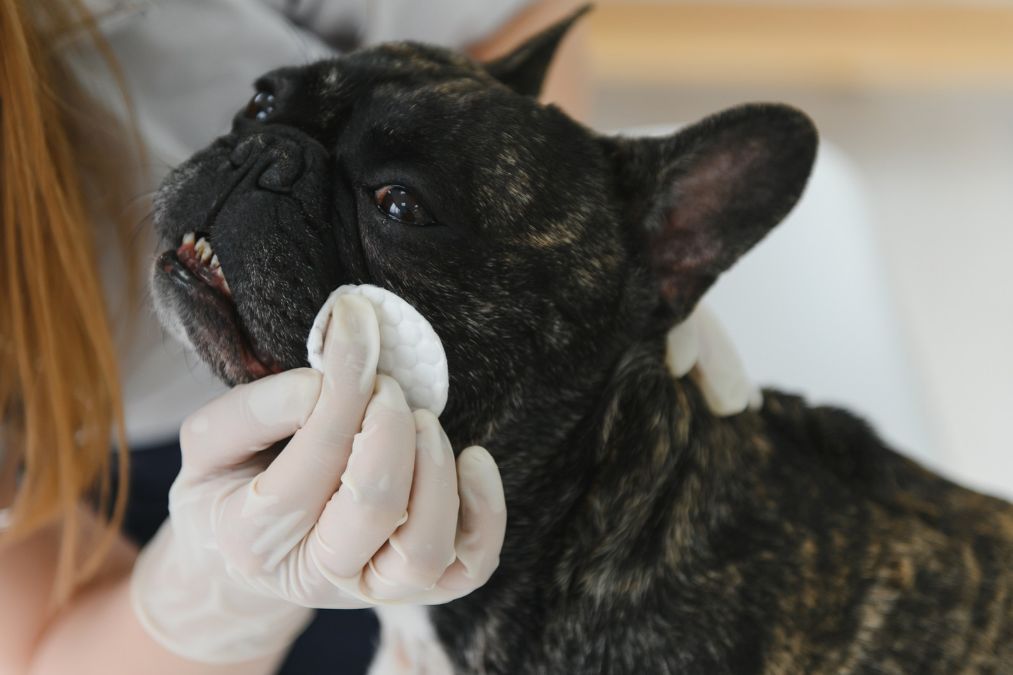
A small cut may send dog owners reaching for Neosporin. Can you use Neosporin on dogs? A plain triple-antibiotic ointment may be recommended for a minor scrape, but it is not suitable for every injury. The wound, ingredients, and risk of licking matter. This guide covers possible uses, side effects, cleaning, warning signs, and accidental ingestion.
What Is Neosporin, and How Does It Work?
Neosporin is a human topical antibiotic. Its original formula contains bacitracin, neomycin, and polymyxin B, which target certain skin bacteria. It does not treat every cause of itching, swelling, or skin damage.
Some versions contain added pain relievers. Check the full label; products carrying the same brand name may have different ingredients.
Can You Use Neosporin on Dogs?
A professional may approve plain ointment for a shallow scrape. Many abrasions need cleaning and observation, not antibiotic cream. Neosporin cannot close a wound, remove debris, or treat deep infection.
When Might It Be Considered?
It may be considered for a limited area of superficial skin damage when the formula is appropriate, and your dog cannot lick the site. Follow the product and application directions provided for your pet.
When Should You Avoid It?
Do not use it without guidance on deep cuts, punctures, bites, burns, surgical incisions, widespread irritation, or infected-looking lesions. Keep it away from eyes, ears, and the mouth. Increasing redness, warmth, swelling, pain, odor, or discharge needs an examination.
What Happens If a Dog Licks Neosporin?
Dogs can lick ointment off before it works. A small lick may cause no problem, but ingestion can trigger nausea, vomiting, diarrhea, or appetite changes. Larger amounts or formulas with extra ingredients need prompt advice.
Remove the tube and prevent more licking. Do not induce vomiting or give home remedies without professional advice. Contact a clinic or animal poison service with the label, estimated amount, and exposure time. Seek urgent help for weakness, facial swelling, or breathing difficulty.
How to Care for a Minor Dog Cut at Home
Home care is suitable only for a minor scrape when your dog acts normally.
- Inspect. Check for depth, debris, bleeding, swelling, or pain. Do not probe punctures or remove embedded objects.
- Apply pressure. Use clean gauze for minor bleeding. Heavy or persistent bleeding needs urgent care.
- Rinse. Use sterile saline or lukewarm water. Avoid alcohol and hydrogen peroxide, which can irritate tissue.
- Dry gently. Pat nearby skin dry; do not scrub or layer products.
- Prevent licking. Use a properly fitted Elizabethan collar. Tight bandages can restrict circulation.
- Monitor. Watch for swelling, discharge, odor, pain, or delayed healing. Seek care if symptoms worsen.
Are There Safer Alternatives to Neosporin for Dogs?
For a simple scrape, sterile saline or clean water may be enough. A clinic may recommend a pet-safe cleanser or prescribed medication after examining the injury.
Avoid human creams, essential oils, tea tree oil, and leftover prescription drugs. Natural products are not automatically safe. Persistent itching, paw licking, hot spots, or recurring sores may involve allergies, parasites, foreign material, or infection. Treating only the surface can delay diagnosis.
When Does Your Dog Need Professional Wound Care?
Arrange prompt assessment for bites, punctures, deep cuts, burns, wounds near the eyes, or persistent bleeding. Call a clinic about spreading redness, heat, swelling, pus, odor, worsening pain, fever, low energy, or appetite changes. Collapse, pale gums, severe bleeding, or breathing trouble requires emergency attention.
An examination identifies hidden damage and whether cleaning, pain relief, antibiotics, or stitches are needed. Westerville pet owners can explore urgent veterinary care for injuries requiring prompt attention. The clinic reports providing emergency care seven days a week, including support for serious injuries and illnesses.
Give Your Dog’s Wound the Right Attention
Neosporin is not automatically safe or necessary. A plain formula may be considered for a minor scrape under professional direction, but licking, added ingredients, and wound severity change the risk. Clean gently, prevent chewing, and monitor the area. Deep, infected, or painful wounds need professional care. Do not delay seeking care to test home remedies.
If your dog has a cut, irritated skin, or a wound that is not healing, avoid guessing which human product to apply. Book an appointment for an examination and a treatment plan suited to your pet.
1. Can I put regular Neosporin on my dog’s cut?
A: Use plain triple-antibiotic Neosporin only when a professional recommends it for that specific minor wound. Clean the area as directed and prevent licking. Avoid combination formulas containing added pain-relief ingredients.
2. Is Neosporin toxic to dogs if they lick it?
A: A small lick may cause no symptoms, but swallowed ointment can cause stomach upset, vomiting, or diarrhea. Larger exposures or formulas with extra ingredients warrant prompt advice from a veterinary professional.
3. Can I use Neosporin on my dog’s paws?
A: Paws are difficult to protect because dogs can easily lick ointment away. Redness or persistent paw licking may indicate allergies, infection, or an injury that needs examination instead of topical treatment alone.
4. Can Neosporin help a dog hot spot?
A: Neosporin does not resolve the underlying cause of a hot spot. These irritated areas can spread when a dog scratches or chews. Arrange an assessment to identify the trigger and suitable treatment.
5. What should I use to clean my dog’s wound?
A: Sterile saline or clean lukewarm water is generally suitable for rinsing a minor surface wound. Avoid alcohol and hydrogen peroxide. Deep, dirty, painful, or bleeding injuries need professional evaluation.
6. How long does a small cut take to heal on a dog?
A: Healing depends on wound depth, location, contamination, and your dog’s health. A superficial scrape may improve over several days. Increasing redness, swelling, discharge, or pain warrants an examination.