Late-Night Emergency Care When You Need It — Open Until 1 AM
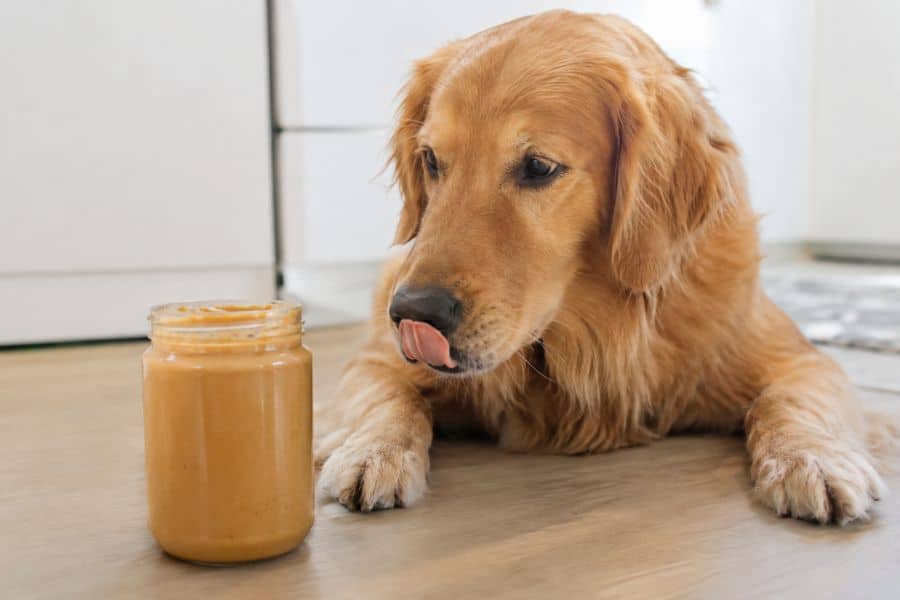
Peanut butter is a favorite treat for many dogs. Pet owners often use it to hide medication, fill interactive toys, or reward good behavior. But did you know that some peanut butter products contain an ingredient that can be life-threatening to dogs?
That ingredient is xylitol, a sugar substitute used in certain sugar-free foods. While it is safe for most people, xylitol is highly toxic to dogs. Even a small amount can cause a dangerous drop in blood sugar, and larger amounts can lead to severe liver damage.
Peanut butter containing xylitol is never safe for dogs. If your dog eats it, immediate medical attention is necessary, even if they appear healthy.
Understanding how xylitol affects dogs, recognizing the warning signs, and checking food labels can help prevent a serious poisoning incident. This guide explains what happens when dogs consume xylitol, how poisoning is treated, and how to choose safer peanut butter products.
Why Is Xylitol Dangerous for Dogs?
Xylitol is a sugar alcohol commonly used as a sweetener in sugar-free products. It provides sweetness with fewer calories than regular sugar and is frequently found in chewing gum, candy, oral care products, and some food items.
The problem is that dogs process xylitol very differently from humans.
How Xylitol Affects a Dog’s Body
When humans consume xylitol, it has little effect on insulin production. Dogs respond differently.
After a dog consumes xylitol, the substance can trigger a rapid release of insulin. Insulin is the hormone responsible for controlling blood sugar levels.
An excessive insulin release causes blood sugar to fall to dangerously low levels. This condition is called hypoglycemia.
Without prompt treatment, severe hypoglycemia can cause weakness, seizures, loss of consciousness, and death.
Higher xylitol exposures can also cause serious liver injury. Liver damage may develop even when the dog does not initially show signs of low blood sugar.
This makes xylitol poisoning particularly dangerous because symptoms do not always appear immediately.
How Much Xylitol Is Toxic to Dogs?
One of the biggest concerns about xylitol poisoning is how little a dog needs to consume before developing serious health problems.
According to established animal poison-control guidance, approximately 0.1 grams of xylitol per kilogram of body weight can cause hypoglycemia in dogs. Exposures around 0.5 grams per kilogram or higher are associated with an increased risk of severe liver injury.
For example, a 10-pound dog weighs approximately 4.5 kilograms. Around 0.45 grams of xylitol could put that dog at risk of low blood sugar.
The actual danger depends on the dog’s weight, the amount consumed, and the concentration of xylitol in the product.
Why Even a Small Spoonful Can Be Dangerous
Not all peanut butter products contain the same amount of xylitol.
Some products contain none, while others use it as a sweetener. Manufacturers may not list the exact quantity on the label.
A spoonful of peanut butter containing xylitol could expose a small dog to a dangerous dose.
Because the concentration is often unknown, pet owners should never attempt to calculate a safe amount at home.
There is no safe serving size of xylitol-containing peanut butter for dogs.
If your dog has eaten any amount, contact an animal poison-control service or emergency animal hospital immediately.
What Are the Symptoms of Xylitol Poisoning in Dogs?
Xylitol poisoning can progress quickly. Some dogs develop symptoms within 30 minutes of ingestion, while others show signs several hours later.
The timing depends partly on the product consumed and how quickly the xylitol is absorbed.
Early Signs of Xylitol Poisoning
The first symptoms are often associated with falling blood sugar levels.
Watch for:
- Vomiting
- Unusual weakness
- Loss of coordination
- Difficulty standing or walking
- Shaking or trembling
- Extreme tiredness
- Reduced responsiveness
- Collapse
A dog experiencing low blood sugar may appear confused or unsteady.
These symptoms require immediate medical attention.
Severe Symptoms That Require Emergency Care
As poisoning progresses, dogs can develop more serious complications.
Warning signs include:
- Seizures
- Loss of consciousness
- Severe weakness
- Persistent vomiting
- Unexplained bleeding or bruising
- Yellowing of the eyes or gums
- Signs of liver failure
Yellowing of the eyes or gums, also called jaundice, can indicate liver damage.
Some dogs experience serious liver complications without obvious early signs of hypoglycemia.
Do not wait for symptoms to appear before seeking help. A dog that seems completely normal after eating xylitol may still be at risk.
What Should You Do If Your Dog Eats Peanut Butter With Xylitol?
Discovering that your dog has eaten something toxic can be frightening. Acting quickly gives your dog the best chance of recovery.
Step 1: Remove the Peanut Butter
Take away any remaining peanut butter or food containing xylitol.
Check whether your dog has access to other products that may contain the same ingredient.
Keep the packaging because the ingredient list and product details can help the medical team assess the exposure.
Step 2: Contact an Emergency Animal Hospital
Call an emergency animal hospital or animal poison-control service immediately.
In the United States, pet owners can contact:
- ASPCA Animal Poison Control Center: 888-426-4435
- Pet Poison Helpline: 855-764-7661
Consultation fees may apply.
Provide the following information:
- Your dog’s approximate weight
- The peanut butter brand
- The amount consumed
- The time of ingestion
- Any symptoms you have noticed
Do not delay seeking help if you cannot determine the exact amount eaten.
Step 3: Do Not Induce Vomiting at Home
Never attempt to make your dog vomit unless an animal healthcare professional directly instructs you to do so.
Xylitol can cause blood sugar to fall rapidly. Inducing vomiting at home can create additional risks, especially if the dog is weak, disoriented, or experiencing neurological symptoms.
Avoid giving salt, hydrogen peroxide, medications, or other home remedies without professional instructions.
Step 4: Follow Emergency Treatment Instructions
Your dog may need immediate hospital care, even if they are acting normally.
Follow the medical team’s instructions and bring the product packaging when possible.
Prompt treatment can prevent complications and improve the chances of recovery.
How Is Xylitol Poisoning Treated in Dogs?
Treatment depends on the amount of xylitol consumed, the dog’s symptoms, and the results of medical testing.
There is no specific antidote for xylitol poisoning.
The goal is to stabilize blood sugar levels, monitor liver health, and prevent serious complications.
Blood Sugar Monitoring
A medical team will check the dog’s blood glucose level.
Dogs with low blood sugar often need intravenous fluids containing dextrose, a form of glucose.
Blood sugar levels may need frequent monitoring because they can fall again after initial treatment.
Liver Function Testing
Blood tests help determine whether the liver has been affected.
A dog with significant exposure may need repeated liver tests, even if the first results are normal.
Liver injury can take time to develop, making follow-up monitoring important.
Hospitalization and Supportive Care
Some dogs require hospitalization for continued glucose support, liver monitoring, and treatment of complications.
The length of hospitalization depends on the severity of the poisoning and how the dog responds to care.
Dogs treated promptly before serious complications develop often have a better outlook. Severe liver injury can make recovery more difficult.
How Can You Tell if Peanut Butter Contains Xylitol?
Checking the ingredient label is one of the simplest ways to protect your dog.
Do not assume a product is safe because it is labeled natural, organic, low-sugar, or healthy.
Look for These Ingredient Names
Xylitol may appear on packaging as:
- Xylitol
- Birch sugar
- Wood sugar
Birch sugar is another name sometimes used for xylitol.
If the ingredient list includes any of these terms, do not give the product to your dog.
A label that only says “sugar-free” does not confirm that xylitol is present, but it should prompt a careful ingredient check.
If the ingredients are unclear, choose a different product.
Are All Peanut Butter Brands Dangerous?
No. Many peanut butter products do not contain xylitol.
Plain peanut butter made from peanuts, with little or no added salt, is generally a safer choice for healthy dogs when offered in small amounts.
Some brands contain added sugar, salt, oils, or other ingredients that are unnecessary for dogs.
Peanut butter is also high in fat and calories. Giving too much can contribute to weight gain or digestive problems.
Dogs with pancreatitis or other health conditions may need to avoid peanut butter altogether.
What Other Foods Contain Xylitol?
Peanut butter is not the only product that can expose dogs to xylitol.
The sweetener appears in several household items, including:
- Sugar-free chewing gum
- Sugar-free candy
- Certain baked goods
- Some protein bars
- Certain sugar-free spreads
- Some breath mints
- Certain chewable vitamins
- Some dietary supplements
- Certain toothpaste products
- Some oral care products
Product ingredients vary, so not every item in these categories contains xylitol.
Keep products containing this sweetener in closed cabinets or other places your dog cannot access.
Be especially careful with purses, backpacks, and bedside tables where chewing gum or candy may be stored.
Dogs can easily discover these items while exploring their surroundings.
What Peanut Butter Is Safe for Dogs?
The safest peanut butter choices have short, easy-to-understand ingredient lists.
Look for products containing only peanuts or peanuts with a small amount of added salt.
Avoid peanut butter containing xylitol, chocolate, or other ingredients known to be harmful to dogs.
How Much Peanut Butter Can Dogs Eat?
Even xylitol-free peanut butter should be treated as an occasional snack.
The appropriate amount depends on your dog’s size, weight, health, and overall diet.
For a small dog, a thin smear may be enough. Larger dogs may tolerate a little more, but large spoonfuls are unnecessary.
Treats should generally make up no more than 10% of a dog’s daily calorie intake.
If your dog has food allergies, digestive problems, obesity, or a history of pancreatitis, ask your pet’s care provider before introducing peanut butter.
Can Peanut Butter Help With Dog Dental Care?
Peanut butter is sometimes used to encourage dogs to chew appropriate toys or accept medication. However, it does not clean teeth or replace regular oral hygiene.
For effective dog dental care, focus on brushing with dog-safe toothpaste, using approved dental products, and arranging routine oral health assessments.
Never use human toothpaste unless a qualified professional has confirmed that the exact product is safe for dogs.
Many human toothpaste products contain ingredients that dogs should not swallow, including xylitol in some formulations.
Choosing pet-safe products helps reduce unnecessary exposure to harmful substances.
How to Prevent Xylitol Poisoning at Home
Preventing accidental exposure starts with knowing what is inside the products your family uses.
A few everyday habits can make a meaningful difference.
1. Read Labels Before Sharing Food
Check ingredients every time you introduce a new food or treat.
Do not rely on previous purchases because manufacturers can change product formulas.
2. Store Sugar-Free Products Securely
Keep chewing gum, candy, supplements, and other products containing xylitol out of your dog’s reach.
Closed cabinets are safer than countertops or open shelves.
3. Inform Everyone in Your Household
Make sure family members, visitors, and pet sitters understand that xylitol is toxic to dogs.
Children may not realize that a small piece of sugar-free candy or a spoonful of certain peanut butter products can cause serious harm.
4. Keep Emergency Contact Information Available
Save the phone number of your nearest emergency animal hospital and a pet poison-control service.
Having these numbers ready can save valuable time during an unexpected poisoning incident.
Conclusion: Always Check Peanut Butter Ingredients Before Feeding Your Dog
Peanut butter can be an enjoyable occasional treat for dogs, but the ingredients matter more than the flavor.
Xylitol-containing peanut butter is dangerous for dogs and should never be offered, even in small amounts. The sweetener can cause a rapid drop in blood sugar, seizures, and serious liver damage.
The safest approach is to read ingredient labels carefully, store sugar-free products securely, and choose plain peanut butter without harmful additives.
If your dog accidentally consumes peanut butter containing xylitol, seek immediate medical help. Do not wait for vomiting, weakness, or other symptoms to appear.
For questions about safe treats, nutrition, or your dog’s individual health needs, book an appointment with your pet’s care provider to discuss suitable food choices and preventive care.
Frequently Asked Questions(FAQs):
1. Can a dog survive after eating peanut butter with xylitol?
A: Yes. Dogs can survive xylitol poisoning, especially when treatment begins before serious complications develop. Recovery depends on the amount consumed, how quickly treatment starts, and whether liver damage occurs. Immediate medical attention is essential.
2. How quickly does xylitol poisoning affect dogs?
A: Symptoms can begin within 30 minutes of ingestion, although some dogs develop signs several hours later. Low blood sugar can occur rapidly, while liver damage may take longer to become apparent. Do not wait for symptoms before seeking treatment.
3. What happens if my dog eats a small amount of xylitol?
A: Even a small amount can cause dangerous blood sugar changes, particularly in smaller dogs. The risk depends on body weight and the amount of xylitol consumed. Contact an emergency animal hospital or poison-control service immediately.
4. Is regular peanut butter safe for dogs?
A: Plain peanut butter without xylitol or other harmful ingredients is generally safe for healthy dogs in small portions. Choose products with simple ingredient lists and avoid excessive amounts because peanut butter contains significant fat and calories.
5. Can dogs eat peanut butter labeled sugar-free?
A: Only if the complete ingredient list confirms that it contains no xylitol or other unsafe ingredients. Sugar-free products may contain different sweeteners, so the label alone does not establish safety. When uncertain, avoid feeding the product.