
Late-Night Emergency Care When You Need It — Open Until 1 AM

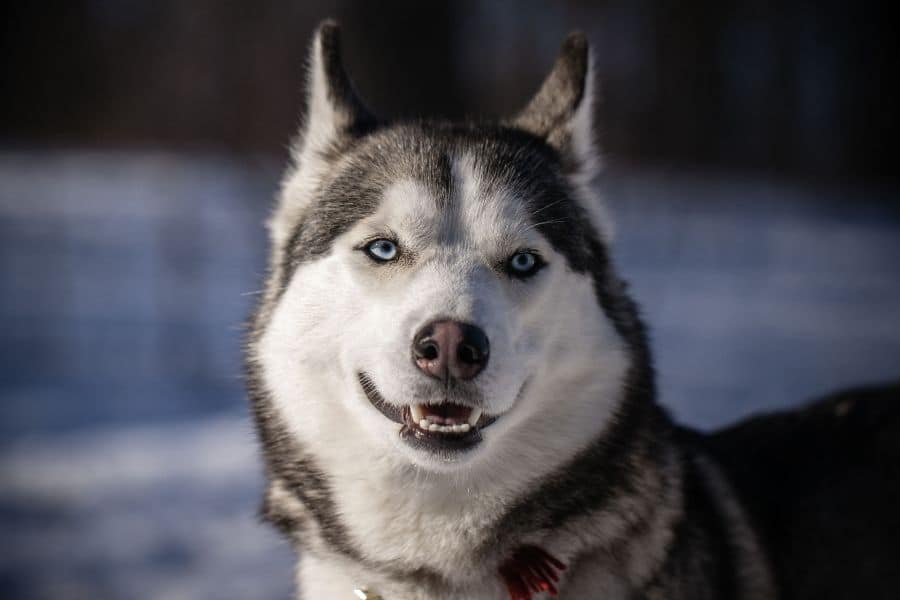
Siberian Huskies are known for their striking blue or brown eyes, thick coats, athletic bodies, and independent personalities. They are also energetic dogs that need more than food and shelter to stay healthy throughout their lives.
If you share your home with a Husky, you may wonder, “What can I do to help my dog live as long and comfortably as possible?” While no routine can guarantee a certain lifespan, daily habits have a meaningful effect on a dog’s overall health.
The good news is that many of the most helpful steps are simple. A balanced diet, regular exercise, a healthy weight, good dental care, mental stimulation, routine checkups, and attention to changes in behavior can all support your Husky’s well-being.
A natural approach does not mean avoiding professional medical care. It means building healthy habits into your dog’s everyday life while providing appropriate health care when needed.
Understand Your Husky’s Average Lifespan
Siberian Huskies typically live 12 to 14 years, although individual dogs can live longer or shorter lives. Genetics, nutrition, activity level, weight, environment, preventive care, and underlying health problems all play a role.
You cannot control every factor. You can control many of the daily choices that influence your dog’s health.
Think of longevity as a long-term process rather than a single trick. What you do consistently from puppyhood through the senior years matters more than occasional changes.
Feed a Balanced, Nutrient-Rich Diet
Nutrition is one of the foundations of a healthy life. Huskies need a complete and balanced diet that provides the right amounts of protein, fat, carbohydrates, vitamins, and minerals.
A Husky’s food needs can change with age and activity. A growing puppy has different nutritional needs from an adult dog, while a senior may need adjustments based on activity, body condition, and health.
Choose Food Based on Your Dog’s Needs
Avoid choosing food based only on marketing claims or ingredient lists. Look for a complete and balanced food appropriate for your dog’s life stage.
Portion size matters, too. Even high-quality food can contribute to weight gain when given in excessive amounts.
Treats should be part of the daily calorie intake rather than an addition on top of an already full diet.
Be Careful With Human Foods
Some foods that are safe for people can be harmful to dogs. Chocolate, grapes, raisins, onions, garlic, xylitol, alcohol, and certain other foods should never be given to dogs.
If you want to add fresh foods to your Husky’s diet, discuss appropriate choices and portions with a qualified pet health professional. “Natural” does not automatically mean safe or nutritionally complete.
Keep Your Husky at a Healthy Weight
Maintaining a healthy weight may be one of the most practical ways to support your Husky’s long-term health.
Extra weight places additional stress on the joints and can make exercise more difficult. It can also affect mobility, comfort, and overall quality of life.
You should be able to feel your dog’s ribs without pressing hard, while the abdomen should tuck upward when viewed from the side. Your dog’s body shape should be considered along with breed, age, muscle mass, and individual build.
Watch Portions and Treats
Measure meals rather than filling the bowl by guesswork. If your Husky receives several treats during training, reduce the meal portions as needed to keep daily calories under control.
Regularly checking your dog’s body condition can help you notice gradual weight gain before it becomes a bigger problem.
Give Your Husky Regular Exercise
Huskies were bred for endurance and physical work. Their exercise needs are significant, and a short walk around the block may not provide enough activity for every Husky.
Daily movement supports muscle strength, cardiovascular fitness, joint health, and mental well-being.
Walking, hiking, supervised running, interactive games, and appropriate training exercises can provide physical activity.
However, more exercise is not always better. Young dogs are still developing, and older dogs may need lower-impact activities. Exercise should match your Husky’s age, fitness, health, and tolerance.
Take Heat Seriously
A Husky’s thick double coat provides insulation, but it does not make the breed immune to heat.
Hot weather can be dangerous. Avoid strenuous activity during the hottest parts of the day, provide plenty of fresh water, and give your dog access to shade or air conditioning.
Never leave a Husky in a parked car, even for a short period.
Support Your Husky’s Mental Health
Physical exercise is only part of the equation. Huskies are intelligent dogs that can become bored when their environment lacks variety.
Boredom may lead to digging, chewing, escaping, excessive vocalizing, or other unwanted behaviors.
Mental stimulation can include puzzle feeders, scent games, obedience training, hide-and-seek, new walking routes, and interactive toys.
Make Training Part of Daily Life
Training does more than teach commands. It gives your dog a chance to think, communicate, and work with you.
Short training sessions can be more effective than long sessions that leave your dog frustrated. Reward-based training can make learning enjoyable while strengthening your relationship.
Take Dental Care Seriously
Dental health is often overlooked, but it is an important part of whole-body care.
Plaque can build up on the teeth and contribute to gum disease. Signs of dental problems can include bad breath, red or swollen gums, difficulty chewing, dropping food, or changes in eating habits.
Brushing your dog’s teeth regularly with products made for dogs can help reduce plaque. Never use human toothpaste because some formulas contain ingredients that are unsafe for dogs.
Routine oral examinations can also help identify problems that are difficult to see at home.
Maintain Your Husky’s Coat and Skin
A Husky’s thick coat needs regular care. Brushing helps remove loose hair, reduces mats, and allows you to notice skin changes.
During shedding seasons, your Husky may lose large amounts of undercoat. Regular brushing can make this period easier for both you and your dog.
Avoid shaving a Husky’s coat simply because the weather is warm. The double coat serves important protective functions. Instead, focus on brushing, shade, hydration, and temperature control.
While grooming, check for lumps, bumps, irritated skin, parasites, sores, or areas your dog repeatedly scratches or licks.
Keep Your Husky’s Environment Safe
A healthy lifestyle also depends on a safe home.
Secure fencing is especially important for Huskies because many are excellent escape artists. Check gates, doors, and fence lines regularly.
Keep medications, cleaning products, chemicals, toxic foods, and other dangerous items out of reach.
Your Husky should also have a comfortable place to rest, clean water, and protection from extreme weather.
Small safety improvements can prevent serious accidents.
Stay Consistent With Preventive Health Care
Natural lifestyle choices work best alongside routine health care. Regular wellness visits allow health concerns to be identified before they become more advanced.
Your dog’s preventive plan may include vaccinations, parasite control, dental evaluations, weight monitoring, and age-appropriate screening.
Do not wait until your Husky looks seriously ill before seeking help. Dogs can hide discomfort, and subtle changes may be the first indication that something is wrong.
Pay Attention to Changes
You know your dog’s normal habits better than anyone. Take changes seriously, including:
- Reduced appetite
- Sudden weight loss or gain
- Increased thirst or urination
- Persistent coughing
- Difficulty breathing
- Limping or stiffness
- Repeated vomiting or diarrhea
- Unusual tiredness
- Changes in behavior
- Difficulty getting up or climbing stairs
- New lumps or swelling
A change does not always mean a serious disease, but it deserves attention when it is persistent, sudden, or getting worse.
Help Your Husky Age Comfortably
As your Husky gets older, its needs may change.
An older dog may not be able to handle the same level of exercise as a younger dog. You may need to replace long, intense activities with shorter walks, gentle play, swimming where appropriate, or other low-impact movement.
Pay attention to mobility. A dog that hesitates before jumping, struggles with stairs, or takes longer to stand may need an adjustment to its daily routine.
Soft bedding, nonslip flooring, easier access to food and water, and ramps can make the home more comfortable for an aging Husky.
Avoid Extreme “Natural” Health Claims
It is easy to find online advice promising that certain herbs, supplements, detoxes, or homemade diets can extend a dog’s life.
Be careful with these claims.
A supplement can interact with medications or cause problems when given at the wrong dose. Homemade diets can also become nutritionally incomplete when they are not properly formulated.
The safest approach is simple: use evidence-based nutrition and care, ask questions before introducing supplements, and do not replace necessary medical treatment with an unproven remedy.
Build a Healthy Routine You Can Maintain
You do not need to completely change your Husky’s life overnight.
Start with the basics:
- Feed measured portions of a complete and balanced diet.
- Keep your dog at a healthy weight.
- Provide regular physical activity.
- Include daily mental stimulation.
- Brush the coat and monitor the skin.
- Practice regular dental care.
- Keep the home and yard secure.
- Provide fresh water every day.
- Schedule routine wellness care.
- Pay attention to changes in behavior or physical condition.
The goal is consistency. A healthy routine repeated every day is more useful than occasional bursts of effort.
Conclusion: Focus on Healthy Years, Not Just More Years
There is no guaranteed formula for extending a Husky’s lifespan naturally. The most reliable approach is to support good health throughout every stage of life.
Feed your dog appropriately, maintain a healthy weight, provide regular exercise and mental stimulation, care for the teeth and coat, keep the environment safe, and stay alert to changes in behavior or physical condition.
Most importantly, do not view natural care and professional health care as competing choices. They work together. Your everyday decisions create the foundation, while routine checkups and timely treatment help address problems that lifestyle alone cannot prevent.
A longer life is valuable, but a longer life filled with comfort, movement, curiosity, and companionship is the real goal. By giving your Husky consistent care from puppyhood through the senior years, you can give your companion the best opportunity to stay healthy and enjoy more good days by your side.
Frequently Asked Questions(FAQs):
1. What is the average lifespan of a Siberian Husky?
A: Siberian Huskies commonly live about 12 to 14 years. Some live longer, while others develop health problems earlier. Genetics, nutrition, body weight, exercise, preventive care, and lifestyle all influence longevity.
2. Can exercise help a Husky live longer?
A: Regular, appropriate exercise supports cardiovascular fitness, muscle strength, healthy body weight, mobility, and mental health. Exercise should be adjusted for age, fitness, weather, and existing health concerns.
3. What should I feed my Husky to support a long life?
A: Feed a complete and balanced diet appropriate for your dog’s life stage, size, activity level, and individual needs. Portion control is just as important as food quality because excess weight can affect long-term health.
4. Are supplements necessary for Huskies?
A: Not every Husky needs supplements. A balanced diet usually provides the nutrients a healthy dog needs. Supplements should be chosen based on an individual dog’s needs rather than used simply because they are marketed as “natural” or as longevity products.
5. How can I tell if my Husky is aging well?
A: Look at more than age. A healthy senior Husky should still have a reasonable appetite, comfortable movement, normal bathroom habits, interest in its surroundings, and a stable body condition. New or persistent changes should be discussed with a qualified pet health professional.