Late-Night Emergency Care When You Need It — Open Until 1 AM
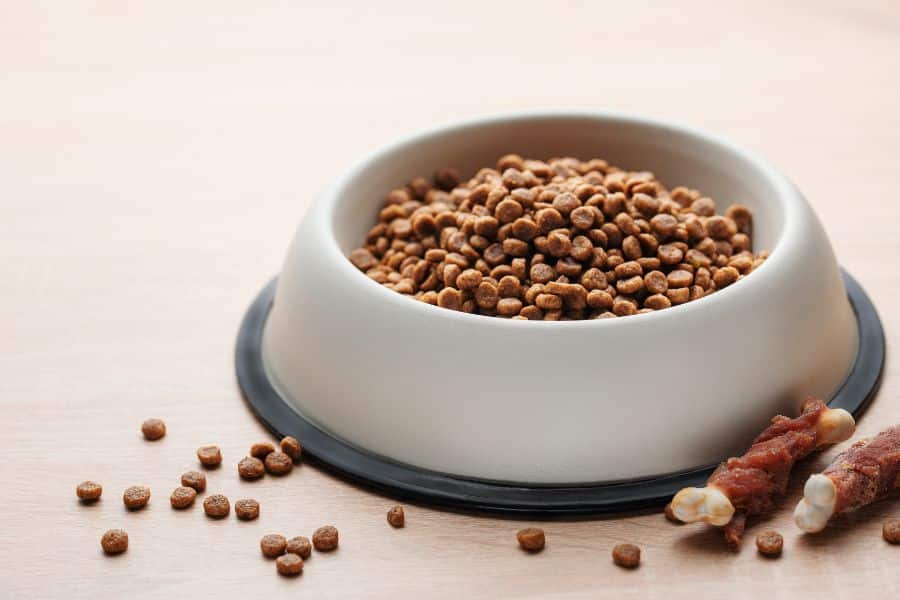
Bringing home a puppy comes with plenty of questions, and food is often at the top of the list. If your puppy has itchy skin, an upset stomach, or ongoing digestive issues, you may have heard about hydrolyzed protein dog food. But is it safe for growing puppies? More importantly, does it provide everything they need to grow into healthy adult dogs?
The short answer is yes—some puppies can eat hydrolyzed protein dog food when it is recommended by a pet care professional. These diets are often used to help diagnose or manage food allergies and certain digestive conditions. They are not meant for every puppy, though, and choosing one without a clear reason may not be the best choice.
This guide explains how hydrolyzed protein diets work, when puppies may benefit from them, possible drawbacks, and what pet owners should know before making a change.
What Is Hydrolyzed Protein Dog Food?
Hydrolyzed protein dog food contains proteins that have been broken down into very small pieces through a process called hydrolysis. These tiny protein fragments are less likely to trigger the immune system in dogs with food allergies.
In a regular diet, proteins remain large enough for the body to recognize them. If a dog has a food allergy, the immune system reacts to those proteins, leading to symptoms like itching, ear infections, or digestive problems.
Hydrolyzed diets reduce that risk by changing the protein into much smaller pieces. While the food still provides amino acids for nutrition, the immune system is less likely to identify them as allergens.
Common protein sources used in hydrolyzed diets include:
- Chicken protein
- Soy protein
- Feather protein
- Salmon protein
The source matters less than the hydrolysis process itself.
Can Puppies Safely Eat Hydrolyzed Protein Dog Food?
Yes, puppies can safely eat hydrolyzed protein dog food if the formula is designed to support growth and development.
Not every hydrolyzed diet is suitable for puppies. Some products are made only for adult maintenance, while others meet the nutritional needs of growing dogs.
Before switching foods, check whether the diet is labeled for growth or all life stages. Growing puppies require higher levels of calories, protein, healthy fats, vitamins, and minerals compared with adult dogs.
If your puppy needs a special diet because of suspected food allergies, ongoing digestive problems, or inflammatory bowel disease, a hydrolyzed formula may become part of the treatment plan.
Why Would a Puppy Need Hydrolyzed Protein Dog Food?
Most puppies never need a hydrolyzed diet. Still, there are situations where it becomes a helpful option.
1. Suspected Food Allergies
Food allergies can appear even in young dogs.
Common signs include:
- Constant itching
- Red or inflamed skin
- Recurring ear infections
- Excessive licking of the paws
- Digestive upset
- Loose stools
A hydrolyzed protein diet is often used during an elimination diet trial to determine whether food is causing the problem.
2. Chronic Digestive Problems
Some puppies experience ongoing digestive issues that do not improve with regular food.
Signs may include:
- Frequent diarrhea
- Vomiting
- Gas
- Poor stool quality
- Sensitive stomach
A hydrolyzed protein diet may be easier to digest and can reduce irritation in some puppies.
3. Inflammatory Bowel Disease (IBD)
Although more common in adult dogs, some puppies develop inflammatory bowel disease.
Because hydrolyzed proteins are less likely to stimulate the immune system, these diets may help reduce digestive inflammation while still providing balanced nutrition.
How Does a Food Elimination Trial Work?
An elimination diet helps identify whether food allergies are responsible for a puppy’s symptoms.
During the trial:
- The puppy eats only the prescribed hydrolyzed diet.
- No treats, table scraps, flavored medications, or chews are allowed unless approved.
- The trial usually lasts several weeks.
- Symptoms are monitored throughout the process.
Even small amounts of another protein can interfere with the results.
If symptoms improve during the trial and return when the original food is reintroduced, food allergies become much more likely.
Does Hydrolyzed Protein Dog Food Support Puppy Growth?
This depends on the product.
A hydrolyzed diet that meets growth standards supplies:
- Complete amino acids
- Healthy fats
- Calcium
- Phosphorus
- DHA for brain development
- Vitamins and minerals
These nutrients help support:
- Muscle development
- Bone growth
- Brain development
- Healthy immune function
- Energy needs
Always check that the food is formulated for puppies or all life stages before feeding it as the main diet.
Benefits of Hydrolyzed Protein Dog Food for Puppies
When used for the right reason, hydrolyzed diets offer several advantages.
1. Reduced Allergic Reactions
The biggest benefit is lowering the chance that the immune system reacts to dietary proteins.
Many puppies experience fewer symptoms, such as:
- Skin irritation
- Scratching
- Ear infections
- Paw licking
2. Improved Digestive Health
Some puppies with food sensitivities develop healthier stools after switching to hydrolyzed protein food.
Digestive improvements may include:
- Less diarrhea
- Reduced vomiting
- Better nutrient absorption
- Less stomach discomfort
3. Helps Identify Food Allergies
Hydrolyzed diets remain one of the most reliable tools for diagnosing food allergies.
Without a controlled diet trial, it becomes difficult to know whether symptoms come from food or environmental allergies.
Are There Any Drawbacks?
Like any specialized diet, hydrolyzed foods have limitations.
1. Higher Cost
Hydrolyzed diets usually cost more than standard puppy food because of the manufacturing process and specialized ingredients.
2. Limited Variety
Most hydrolyzed foods come in fewer flavors compared with regular puppy diets.
Some puppies accept the food immediately, while others need time to adjust.
3. Not Necessary for Healthy Puppies
A healthy puppy without food sensitivity or digestive disease usually gains no added benefit from eating hydrolyzed protein dog food.
Feeding it without a medical reason simply adds unnecessary expense.
Common Signs Your Puppy May Have a Food Allergy
Many skin conditions look similar, so food allergies should never be diagnosed based on itching alone.
Watch for signs such as:
- Year-round itching
- Repeated ear infections
- Skin redness
- Hair loss
- Paw chewing
- Chronic diarrhea
- Vomiting
- Poor coat condition
These symptoms can also result from parasites, environmental allergies, infections, or other medical conditions.
Is Hydrolyzed Protein Better Than Limited Ingredient Dog Food?
These diets serve different purposes.
Hydrolyzed Protein Dog Food
- Protein is chemically broken down into tiny pieces.
- Used mainly for diagnosing or managing food allergies.
- Often recommended for elimination diets.
Limited Ingredient Diet
- Uses fewer ingredients.
- Contains one novel protein source.
- May help some dogs with mild food sensitivities.
- Does not eliminate allergy triggers as effectively as hydrolyzed protein diets.
If food allergies are strongly suspected, hydrolyzed diets usually provide a more reliable answer.
Tips for Feeding a Puppy Hydrolyzed Protein Dog Food
If your puppy starts this type of diet, follow these simple tips:
- Transition gradually unless instructed otherwise.
- Measure meals carefully.
- Avoid giving table food.
- Read treat labels closely.
- Provide fresh water at all times.
- Monitor stool quality and skin condition.
- Keep follow-up appointments if symptoms continue.
Consistency is the key to getting accurate results.
Supporting Your Puppy’s Long-Term Nutrition
Food is only one part of keeping a puppy healthy.
Regular pet wellness exams can help monitor growth, body condition, nutritional needs, and overall development as your puppy matures. During these visits, feeding plans can be adjusted if allergies, digestive concerns, or changing nutritional needs develop.
If your puppy is diagnosed with food allergies, sticking with the recommended diet for allergies often produces better long-term results than switching foods frequently.
When Should You Consider Hydrolyzed Protein Dog Food?
You should consider this diet if your puppy has:
- Persistent itching that does not improve
- Repeated ear infections
- Ongoing diarrhea
- Chronic vomiting
- Suspected food allergies
- Digestive disease requires a specialized diet
Healthy puppies with no medical concerns generally do well on a balanced puppy food designed for growth.
Conclusion
Hydrolyzed protein dog food can be an excellent option for puppies dealing with food allergies or chronic digestive problems. Because the proteins are broken into very small pieces, the immune system is much less likely to react to them. This makes these diets valuable during food elimination trials and for managing certain health conditions.
The key is choosing a formula that meets the nutritional needs of growing puppies. Not every hydrolyzed diet supports healthy growth, so it is essential to check the product label.
For puppies without allergies or digestive diseases, a standard, complete, and balanced puppy food remains the better choice. If your puppy develops ongoing skin or stomach issues, finding the underlying cause before changing diets helps you make the best decision for their long-term health.
Frequently Asked Questions(FAQs):
1. Can all puppies eat hydrolyzed protein dog food?
A: No. While it is safe for many puppies, it should only be used when the formula is complete for growth, and there is a medical reason to feed it.
2. How long does a puppy stay on a hydrolyzed protein diet?
A: Many elimination diet trials last between 8 and 12 weeks. The exact length depends on your puppy’s symptoms and progress.
3. Is hydrolyzed protein dog food good for sensitive stomachs?
A: Yes. Many puppies with digestive issues tolerate hydrolyzed diets well because the proteins are easier for the immune system to process.
4. Can I give treats while my puppy eats hydrolyzed protein dog food?
A: Only treatments that are approved as part of the elimination diet should be offered. Regular treats can interfere with allergy testing.
5. Will hydrolyzed protein dog food cure food allergies?
A: No. It does not cure food allergies, but it helps manage symptoms by avoiding proteins that trigger the immune system.