
Late-Night Emergency Care When You Need It — Open Until 1 AM
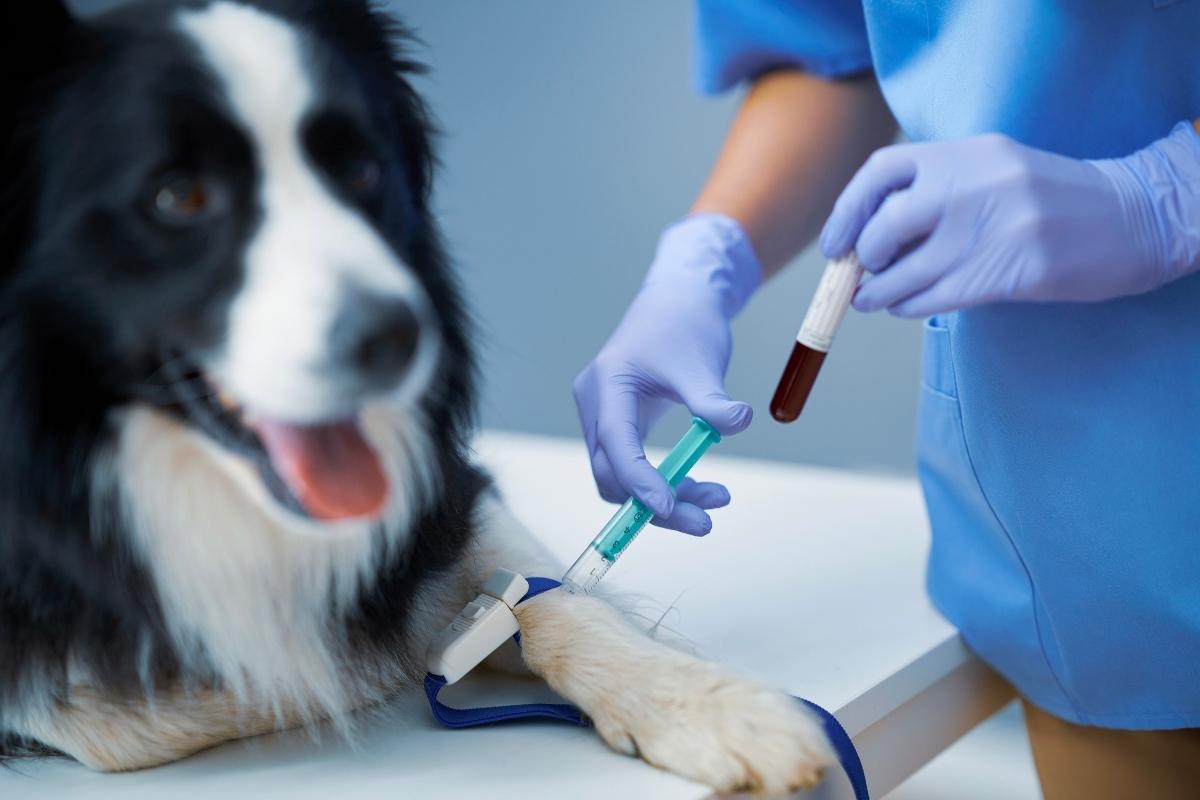
As dogs get older, their health needs change, making senior pet care, including blood tests, essential for regularly monitoring their well-being. Blood tests for senior dogs can be an important part of this, helping to identify potential health issues early. Detecting problems early can prevent discomfort and help maintain a good quality of life in later years.
Why Blood Tests Are Essential for Senior Dogs
Blood tests are a non-invasive, efficient way to monitor the overall health status of senior canines. They offer crucial insights into the functioning of internal organs, blood cells, and other vital systems. For elderly dogs, whose physiological functions may decline with age, consistent blood analysis is particularly essential. By routinely assessing health markers such as renal function, hepatic enzymes, and hormonal levels, blood tests facilitate the early detection of any abnormalities.
Senior pet care is key to improving the health of aging dogs, who are often vulnerable to conditions such as renal disease, diabetes mellitus, and thyroid dysfunction. The importance of blood tests is to enable veterinarians to initiate timely interventions before the condition progresses. This proactive strategy is significantly more effective than waiting for symptoms to appear, as many pet health issues are more amenable to treatment when diagnosed early.
Key Health Indicators in Blood Tests for Senior Pets
Older pets are at higher risk of chronic health conditions, suggesting the importance of blood tests to improve senior pet care. The following key health indicators are often monitored during blood tests:
- Kidney Function: Senior dogs are more prone to kidney disease, a condition that often shows no symptoms until it’s advanced. Blood tests check kidney function markers such as BUN (blood urea nitrogen) and creatinine, helping detect kidney issues early.
- Liver Health: Liver function is another vital health parameter that should be monitored as dogs age. Elevated liver enzymes can indicate liver disease or other conditions affecting the liver.
- Thyroid Levels: Hypothyroidism, common in senior dogs, causes weight gain, lethargy, and skin issues. Blood tests measure thyroid hormones to diagnose.
- Blood Cell Count: Blood tests detect anemia or infection by measuring blood cell counts. Anemia can stem from kidney disease, parasites, or other causes, and early detection prevents complications.
- Blood Sugar Levels: Senior dogs are more prone to diabetes, which is why blood tests can help track glucose and insulin levels, enabling early diagnosis and control of the condition.
Early Detection Leads to Better Senior Pet Care
The importance of blood tests is that they increase the likelihood of detecting early signs of health problems and improving the chances of effective treatment. For instance, kidney disease can advance silently, causing irreversible damage before signs like lethargy or vomiting are noticeable. Regular monitoring of kidney function through blood tests allows veterinarians to identify early signs and act before damage worsens.
Also, older dogs are more prone to immune system or metabolic conditions. Blood tests offer insights into these systems, enabling more accurate diagnoses. When issues are detected early, prompt treatment can be initiated, leading to better outcomes and lowering the risk of chronic or life-threatening conditions.
Prioritize Your Senior Dog’s Health With Regular Blood Tests
Taking the step to monitor your senior dog’s health with regular blood tests is an excellent way to show how much you care. By catching issues early, you can help prevent serious health problems and make sure your pet has many more happy, healthy years.
If you’re worried about your dog’s health or unsure when to schedule their next check-up, consider blood tests as a helpful part of their senior care routine that can give you peace of mind.
Conveniently located for residents of Westerville, OH, and surrounding communities, Westerville Veterinary Clinic is a trusted choice for comprehensive senior pet care. Our compassionate team specializes in monitoring the health of senior dogs through blood tests and other essential services designed to support their comfort and longevity. To ensure your senior pet receives the care they deserve, schedule your appointment today.
FAQs
Q1. How often should senior dogs get blood tests?
Ans. For senior dogs, blood tests should be performed at least once a year, or more frequently if your veterinarian detects any potential health issues. Regular testing helps ensure early detection of health problems.
Q2. What conditions can blood tests detect in senior dogs?
Ans. Blood tests can help identify various conditions such as kidney disease, diabetes, liver disease, hypothyroidism, and anemia, among others. Early detection can prevent further complications.
Q3. What do kidney values indicate in blood tests?
Ans. Kidney values like BUN and creatinine indicate how well your dog’s kidneys are functioning. Elevated levels can suggest kidney disease, which is common in senior dogs and requires early intervention.
Q4. Can blood tests detect cancer in dogs?
Ans. While blood tests cannot definitively diagnose cancer, they can detect abnormal changes in blood cell counts or organ function, which may indicate the presence of cancer or other severe conditions.
Q5. Are blood tests safe for senior dogs?
Ans. Yes, blood tests are safe for senior dogs and provide valuable insight into their health. They are non-invasive and involve drawing a small amount of blood, which is a routine procedure.