Late-Night Emergency Care When You Need It — Open Until 1 AM

When your dog or cat crosses the age-7 threshold, their body begins a quiet but significant transformation. Metabolism slows, joints stiffen, organs start working harder, and cognitive sharpness can shift. None of this means the golden years can’t be wonderful—but it does mean the way you care for your pet needs to evolve right along with them.
This guide covers the key physical and behavioral changes that emerge after age 7, the warning signs every pet parent should know, and the practical steps you can take—from nutrition to exercise to scheduling checkups with a veterinarian near you—to give your companion the long, comfortable life they deserve.
Why Age 7 Is the Turning Point
Seven is often called the senior threshold for both dogs and cats, though the precise timeline varies. Large and giant dog breeds age faster and may be considered seniors at 5 or 6, while small dogs and cats typically hit senior status around 7 to 10. The biology behind the shift matters more than the number on a birthday cake.
At the cellular level, aging pets experience a gradual decline in the efficiency of their organs, immune function, and hormonal regulation. Muscle mass begins to decrease—a process called sarcopenia—even in pets that stay active. The digestive system becomes less efficient at absorbing key nutrients. Dental disease, which often begins in younger animals, accelerates. And the immune system, once a robust line of defense, becomes less capable of mounting strong responses to infection or illness.
The difference between a senior pet who thrives and one who struggles is rarely luck—it’s attentive care, early detection, and a relationship with a trusted vet.
Understanding these changes isn’t cause for alarm. It’s a cause for action. The earlier shifts are identified, the more effectively they can be managed.
Physical Changes to Expect in Older Pets
1. Joints and mobility
Arthritis is among the most common conditions in senior dogs and cats. Cartilage between joints gradually wears down, causing inflammation and discomfort. You may notice your pet hesitating before climbing stairs, reluctance to jump, or a stiff, slow gait—especially first thing in the morning. Many owners mistake these signs for normal aging and don’t seek help. In reality, there are effective interventions: joint supplements, anti-inflammatory support, physiotherapy, and environmental modifications like ramps or orthopedic beds.
2. Organ health
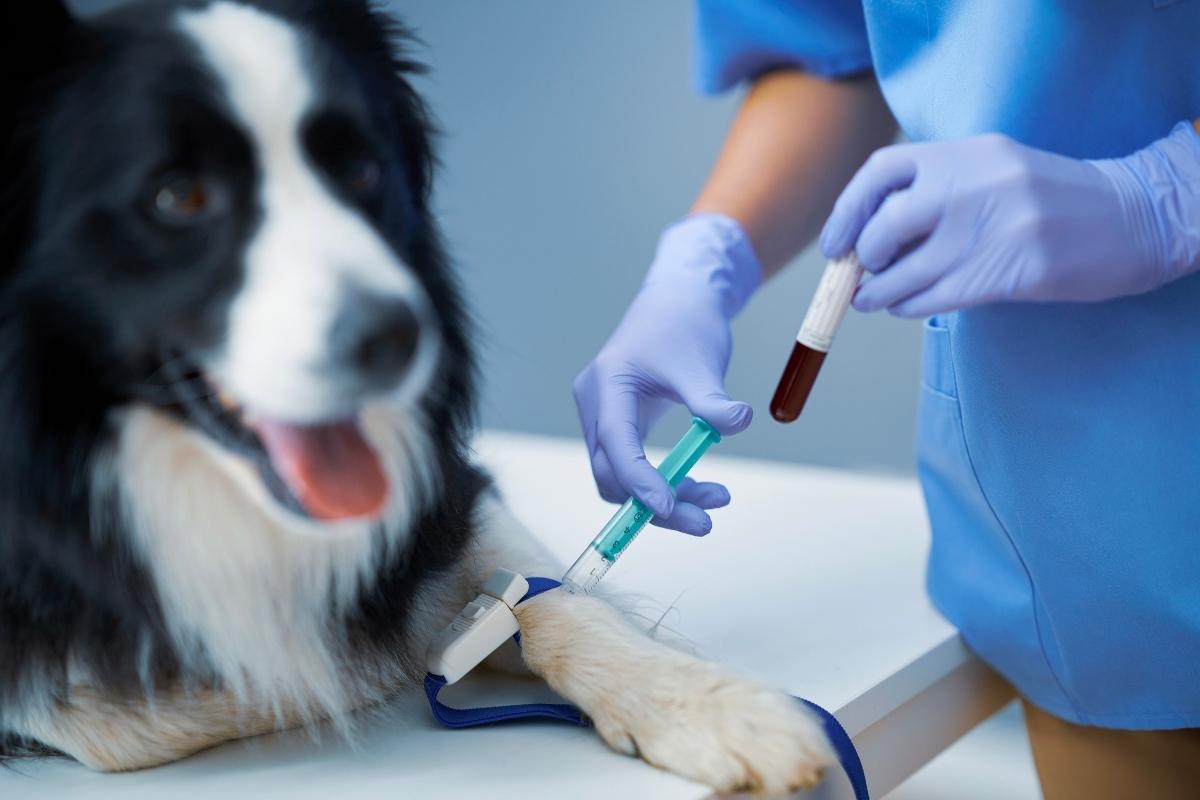
The kidneys and liver are two organs that show age-related changes more acutely in pets than in many other species. Chronic kidney disease (CKD) is particularly prevalent in cats over 10. The heart can also develop murmurs or early-stage disease. Regular blood panels and urinalysis—typically recommended every six months for senior pets—allow these changes to be caught and managed before they become serious.
3. Sensory decline
Hearing loss and vision changes are common in older animals. Cloudiness in the eyes (often nuclear sclerosis, distinct from cataracts) is normal and rarely affects vision significantly. True cataracts do reduce sight and are more common in dogs. Hearing loss happens gradually, and many pets adapt remarkably well—though it does mean your training cues may need to shift from verbal to visual.
???? Good to Know
Dental disease affects more than 80% of pets over age 3, and it compounds with age. Bacteria from inflamed gums can enter the bloodstream, affecting the heart, kidneys, and liver. Annual dental cleanings and at-home brushing make a measurable difference in your senior pet’s overall health.
Behavioral Changes That Signal Something More
Some behavioral shifts in aging pets are normal—a tendency to sleep more, less enthusiasm for vigorous play, and a preference for warmth and quiet. Others are red flags that deserve prompt attention. Cognitive Dysfunction Syndrome (CDS), often called “doggy dementia” or “feline cognitive decline,” mirrors aspects of human dementia and is more common than many pet owners realize.
Signs of CDS include disorientation in familiar spaces, changes in sleep cycles (often awake and restless at night), decreased interaction with family members, house-training accidents, and apparent confusion or staring at walls. These symptoms are not simply “getting old”—they can be supported with medical management, enrichment strategies, and dietary adjustments that meaningfully improve quality of life.
⚠ Watch For These Signs
- Sudden weight loss or gain
- Increased thirst and urination
- Difficulty breathing or a persistent cough
- Lumps, bumps, or unusual growths
- Reduced appetite or vomiting
- Confusion, pacing, or house-soiling
Senior Nutrition: More Than Just “Light” Food
Feeding a senior pet isn’t simply about switching to a lower-calorie formula. The nutritional picture is more nuanced. While many older pets do benefit from reduced caloric density (especially those prone to weight gain), others—particularly cats—are more likely to lose weight and muscle mass and may need higher-protein, more calorie-dense diets.
Key nutrients for senior pets include high-quality protein to maintain muscle, omega-3 fatty acids for joint and cognitive support, antioxidants like vitamins C and E to counter oxidative stress, and added fiber to support digestive health. Phosphorus restriction may be recommended for pets with early kidney concerns. A veterinarian near you can help tailor a feeding plan based on your specific pet’s health profile—age, breed, weight, and any existing conditions all factor in.
???? Senior Nutrition Tips
Fresh water access is critical—senior pets are more prone to dehydration, especially cats. If your cat is reluctant to drink, a water fountain or wet food can increase fluid intake significantly. For dogs with arthritis, maintaining a healthy weight is one of the single most impactful things you can do to reduce joint pain.
Exercise, Enrichment & Mental Stimulation
The temptation when a pet slows down is to let them rest entirely. But appropriate exercise remains important throughout a pet’s senior years—it preserves muscle mass, maintains a healthy weight, supports joint lubrication, and provides mental stimulation that combats cognitive decline. The keyword is appropriate.
For senior dogs, shorter, more frequent walks often work better than one long outing. Swimming is exceptional for arthritic dogs because it provides cardiovascular and muscular work without joint impact. For cats, puzzle feeders, window perches, and gentle interactive play keep the mind engaged without physical strain.
Mental enrichment is just as valuable as physical activity. Scent work, food puzzles, and short training sessions that introduce new cues give aging pets a sense of purpose and cognitive challenge. Research consistently shows that mentally active senior dogs show fewer signs of cognitive decline than their under-stimulated counterparts.
Preventive Care: The Role of Regular Checkups
Pets age faster than humans—roughly 5 to 7 times faster, depending on species and breed. A year in a senior pet’s life can bring the equivalent of several human years of change. That’s why annual checkups, standard for younger animals, are often insufficient for pets over 7. Most vets recommend biannual wellness exams for senior patients, along with routine blood work, urinalysis, and blood pressure checks.
These exams aren’t just for detecting disease. They establish baselines. When something changes—a rise in kidney values, a shift in thyroid levels, a heart murmur where there was none before—having historical data makes it far easier to interpret what’s happening and respond appropriately. Catching a condition in its early stages consistently leads to better outcomes and lower long-term costs of care.
Vaccinations and parasite prevention should also be reviewed with age. Some protocols may be adjusted based on your pet’s health status and lifestyle, while others remain just as important—fleas, ticks, and heartworm don’t spare senior pets.
Pain Management and Quality of Life
One of the more difficult truths about senior pet care is that animals instinctively conceal pain. It is an evolutionary survival mechanism—vulnerability in the wild is dangerous. This means a pet with significant joint pain, dental disease, or an internal condition may show only subtle signs: reduced activity, reluctance to be touched in certain areas, changes in posture, or mild grumpiness.
Modern pain management for pets has advanced considerably. Non-steroidal anti-inflammatory drugs, newer targeted pain therapies, acupuncture, laser therapy, and physiotherapy are all proven tools. The goal isn’t just length of life—it’s quality. A senior pet who is comfortable, engaged, and free of unmanaged pain lives better in every measurable way.
Your Senior Pet Deserves Exceptional Care
If you’re located in Westerville, the team at Westerville Veterinary Clinic is here to support every stage of your pet’s life—with compassionate, thorough care tailored to seniors. Whether it’s a wellness exam, a nutrition consult, or a conversation about pain management, we’re your partner in keeping your companion happy and healthy for years to come.
Frequently Asked Questions(FAQs):
1. At what age is a dog or cat considered a senior?
A: Most dogs are considered seniors around age 7, though large breeds may reach senior status earlier, at 5–6 years. Cats typically enter their senior years between 7 and 10. Individual health and breed factors always play a role.
2. How often should a senior pet see the vet?
A: Biannual (twice-yearly) checkups are generally recommended for pets over 7. Because they age faster than humans, a six-month interval allows earlier detection of health changes that can make a significant difference in outcomes.
3. What are the most common health problems in senior dogs and cats?
A: The most prevalent issues include arthritis, dental disease, kidney disease (especially in cats), obesity, heart conditions, diabetes, thyroid disorders, and cognitive dysfunction. Most are manageable when detected early through routine exams and blood work.
4. Should I change my senior pet’s diet?
A: Quite possibly, yes. Senior nutritional needs differ from those of younger pets, often requiring adjusted protein levels, added omega-3s, and specific nutrient support. A tailored diet based on your pet’s health profile is always more effective than a generic senior formula.
5. How can I tell if my older pet is in pain?
A: Signs include reduced activity, reluctance to jump or climb stairs, changes in posture, altered grooming habits, decreased appetite, or subtle behavioral shifts like withdrawal or irritability. Because pets hide discomfort, any change in behavior warrants a vet conversation.
6. Is it normal for senior pets to sleep more?
A: Yes—senior pets naturally sleep longer. However, sudden dramatic increases in sleep or lethargy, particularly paired with other symptoms like reduced appetite or weight loss, should be evaluated. There’s a difference between healthy rest and signs of illness.