Late-Night Emergency Care When You Need It — Open Until 1 AM
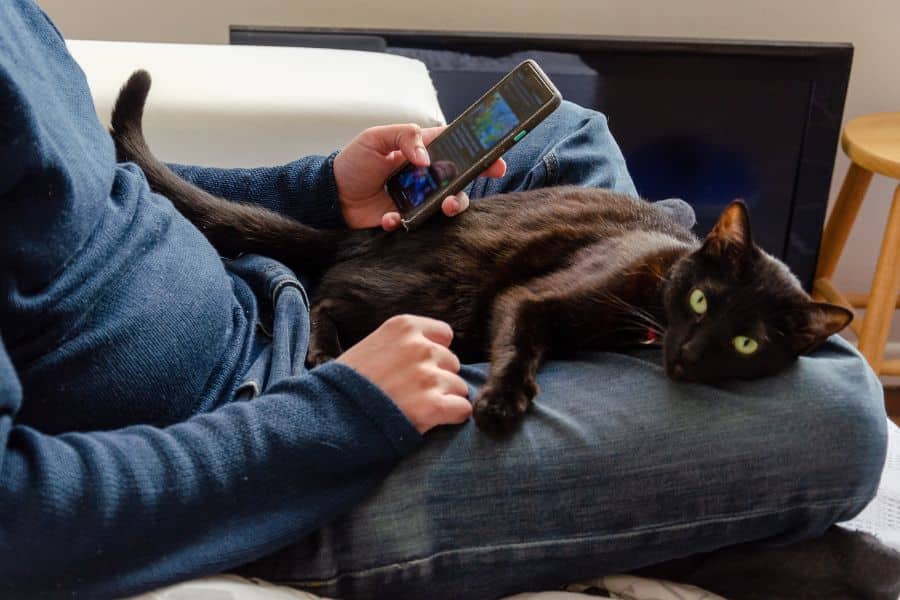
Living with a feline companion can sometimes feel like sharing your home with a tiny mystery. One moment, they are sleeping peacefully. The next, they are racing through the hallway at full speed.
Many unusual cat behaviors are completely normal and connected to instincts. Others can offer valuable clues about comfort, communication, or emotional needs.
For families in Westerville, understanding these habits can make daily life with a feline companion easier. It can also help you recognize when something deserves veterinary attention.
At Westerville Veterinary Clinic, we understand how much your pet means to your family. Our team provides compassionate veterinary support at every stage of life.
Why Do Felines Have So Many Unusual Habits?
Domestic felines still carry many instincts that helped their wild ancestors survive.
Hunting, hiding, climbing, scratching, and scent marking once played important survival roles. Those instincts remain, even when your pet lives safely indoors.
Their senses also differ greatly from ours. Small movements, unfamiliar smells, and subtle sounds may get their attention immediately.
Understanding these instincts can make seemingly strange habits much easier to explain.
1. Why Does Your Pet Suddenly Run Around the House?
Those sudden high-speed sprints are commonly called “zoomies.”
Veterinarians may call these episodes frenetic random activity periods, or FRAPs. They can help release stored energy and express natural predatory instincts.
They may happen after resting, playing, or using the litter box. Younger animals may experience these energetic bursts more frequently.
Regular interactive play can provide healthy outlets for this energy.
2. Why Do They Knead Blankets and People?
Kneading involves repeatedly pushing the front paws against a soft surface.
Kittens perform this movement while nursing. Some continue the habit throughout adulthood because it can be associated with comfort and relaxation.
Your companion might knead a blanket, bed, or even your lap.
Paw scent glands may also play a role in marking familiar spaces.
Occasional kneading is generally harmless. However, a sudden major increase deserves attention, especially alongside other behavioral changes.
3. Why Do They Sit Inside Small Boxes?
A cardboard box may seem boring to you. To your furry family member, it can provide a secure hiding place.
Enclosed spaces offer protection while allowing them to observe their surroundings.
Boxes can also provide warmth and a quiet place away from household activity.
Offering safe hiding areas can support emotional comfort, especially in busy homes.
4. Why Do They Slowly Blink at You?
A long stare can feel mysterious. However, a relaxed slow blink often carries a positive meaning.
Slow blinking is associated with relaxed social communication and trust.
You can gently slow blink back without moving closer or forcing interaction.
This simple exchange can become another way of communicating with your companion.
5. Why Do They Chirp at Birds Through the Window?
You may hear chirping, chattering, or clicking when your pet watches birds or squirrels.
These sounds often appear during intense visual focus on potential prey.
They may reflect hunting excitement, anticipation, or frustration because the animal cannot reach its target.
A secure window perch can provide valuable visual enrichment.
Never leave windows unsecured, especially when screens could become loose.
6. Why Do They Scratch Furniture?
Scratching is not usually an attempt to destroy your belongings.
It helps maintain the claws and stretches muscles through the shoulders, legs, and back.
Scratching can also leave visual and scent signals in the environment.
Provide sturdy scratching surfaces near sleeping areas and commonly scratched furniture.
Some individuals prefer vertical posts. Others prefer horizontal cardboard scratchers.
7. Why Do They Sleep So Much?
Long sleeping periods often surprise new pet parents.
Rest helps conserve energy between periods of activity.
Your companion may alternate between deep sleep and lighter periods of resting throughout the day.
However, distinguish normal sleeping from unusual lethargy.
Contact your veterinarian if increased sleeping occurs with weakness, appetite changes, hiding, or reduced interest in normal activities.
8. Why Do They Follow You Into the Bathroom?
Privacy apparently means something different to our feline friends.
Following you around the house may involve curiosity, attention seeking, routine, or social attachment.
Bathrooms can also contain interesting smells, cool surfaces, running water, and predictable human activity.
If your companion waits outside the door, they may simply dislike losing access to you.
This behavior is usually harmless.
9. Why Do They Knock Objects Off Tables?
Watching an object fall can provide movement and stimulation.
Pawing at small objects may also resemble movements used when investigating potential prey.
Your reaction can unintentionally make the activity even more interesting.
Instead of punishing this habit, provide safe toys and interactive play sessions.
Keep fragile items and potentially dangerous objects away from accessible surfaces.
10. Why Do They Show Their Belly but Reject Belly Rubs?
A companion lying belly-up may look like they are requesting a belly rub.
That interpretation is not always correct.
Exposing the abdomen can indicate relaxation and trust because the belly is a vulnerable area.
Some animals still dislike being touched there.
Watch the ears, tail, eyes, and overall posture before reaching toward the abdomen.
Respecting these signals can prevent scratches while strengthening trust.
When Does Strange Behavior Need Veterinary Attention?
Knowing your companion’s normal routine is important because sudden changes can sometimes indicate illness, discomfort, stress, or pain.
Contact your veterinarian when unusual behavior appears alongside:
- Sudden aggression or increased fear
- Persistent hiding
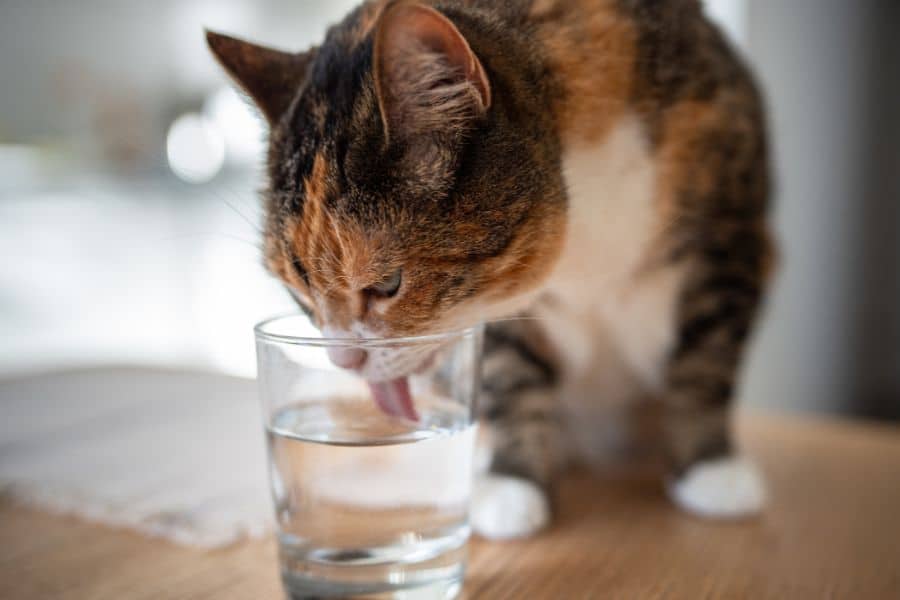
- Major appetite or thirst changes
- Litter box changes
- Repeated vomiting or diarrhea
- Unusual vocalization
- Reduced movement or difficulty jumping
- Excessive grooming or hair loss
- Confusion or major sleep changes
Behavior changes deserve particular attention when they appear suddenly.
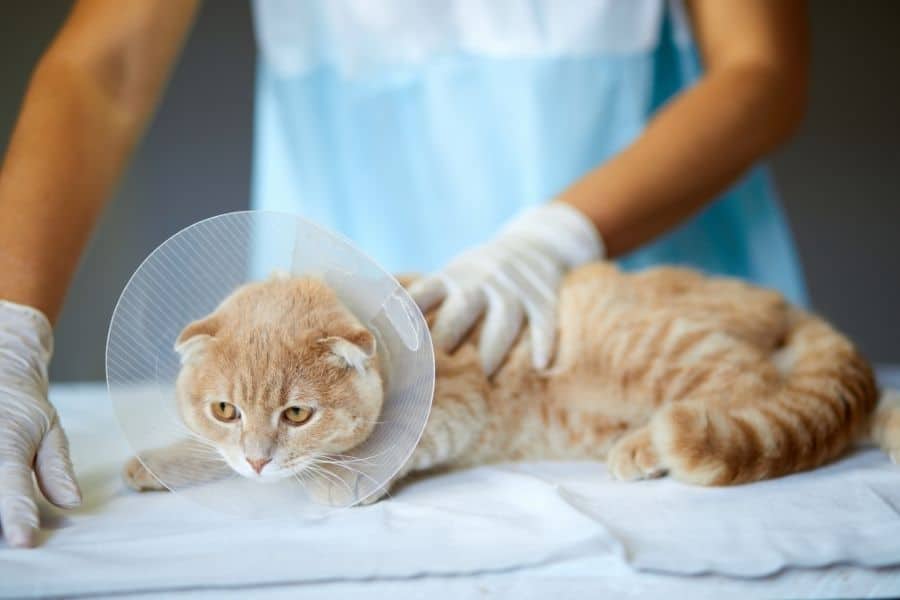
Westerville Veterinary Clinic provides wellness exams, preventive medicine, diagnostics, medical treatment, and surgical care. Our team can evaluate physical health while considering changes you have noticed at home.
Understanding Behavior Is Part of Caring for Your Companion
Learning your pet’s habits helps you understand their needs, preferences, and unique personality. It also creates a useful baseline for spotting changes early.
Families seeking a cat care service can turn to Westerville Veterinary Clinic for ongoing veterinary support. Our clinic also serves pet families throughout nearby Central Ohio communities. From routine wellness visits to concerns about unusual cat behaviors, our veterinary team takes your observations seriously.
If something about your companion’s behavior seems different, schedule a visit with Westerville Veterinary Clinic. Early evaluation can provide answers and help protect their comfort, health, and quality of life.
Frequently Asked Questions(FAQs):
1. Why does my feline companion stare at me?
A: Staring can signal curiosity, attention-seeking, anticipation, or relaxed social interaction. Consider the entire body posture when interpreting a stare.
2. Why does my pet get the zoomies at night?
A: Felines are naturally most active around dawn and dusk. Indoor routines and unused energy can also contribute to nighttime activity.
3. Is kneading a sign that my pet is happy?
A: Kneading commonly occurs during comfortable, relaxed moments. However, excessive new kneading may sometimes accompany stress or discomfort.
4. Why does my companion sleep on my clothes?
Your clothing carries a familiar scent. Sleeping on it may provide comfort, warmth, and a sense of security.
5. Why does my pet chatter while watching birds?
A: Chattering often occurs during focused observation of potential prey. Hunting excitement or frustration may contribute to this interesting vocalization.
6. When should unusual behavior concern me?
A: Seek veterinary guidance when behavior changes suddenly or appears with physical symptoms. Appetite, mobility, litter box, grooming, or personality changes deserve attention.
7. Where can I find a cat care service in Westerville, OH?
A: Westerville Veterinary Clinic provides preventive and medical veterinary care for local pets. Regular visits can support health throughout every life stage.