Late-Night Emergency Care When You Need It — Open Until 1 AM
Understanding the Risks of Non-Anesthetic Dental Procedures for Pets
Ensuring the health and happiness of pets is a top priority for owners. Dental care is a crucial aspect of overall pet health, and the method of delivery can significantly impact its safety and effectiveness. There is growing interest in non-anesthetic dental (NAD) procedures for pets. While these procedures might seem appealing due to the absence of anesthesia, it’s essential to understand the associated risks.
What Are Non-Anesthetic Dentals?
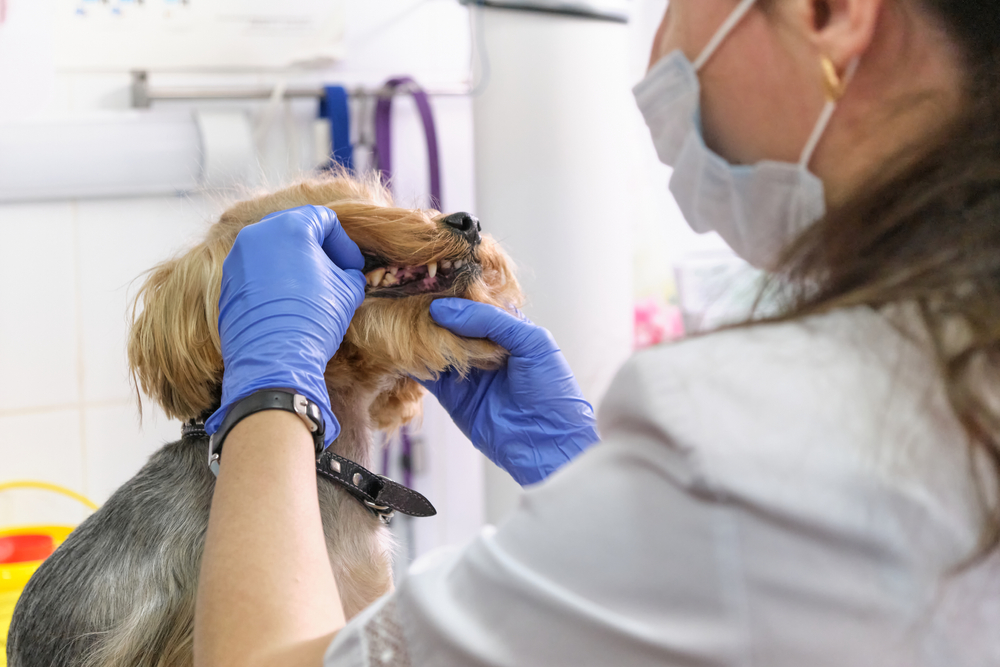
Non-anesthetic dentals involve cleaning a pet’s teeth without general anesthesia. The process typically includes manually scaling the teeth to remove plaque and tartar while the pet remains awake. Many pet owners consider this option because it seems less risky than anesthesia-based procedures and is often more affordable.
However, perceived safety and cost-effectiveness may not tell the whole story. Let’s explore the potential dangers associated with non-anesthetic dental procedures.
The Hidden Dangers of Non-Anesthetic Dentals for Pets
Incomplete Plaque and Tartar Removal
Effective dental care involves removing plaque and tartar not only from the visible parts of the teeth but also from beneath the gumline, a critical area prone to disease. Without anesthesia, it’s nearly impossible to thoroughly clean below the gumline, where periodontal disease often begins. According to Preventive Vet, subgingival spaces can harbor bacteria that lead to oral infections, tooth loss, and systemic health issues if not properly addressed.
Stress and Anxiety in Pets
Non-anesthetic procedures can cause significant stress and anxiety for pets. Being held still while dental instruments are used can be frightening and uncomfortable, leading to both emotional stress and potential physical implications, such as increased heart rate or respiratory distress. Additionally, stress can cause pets to move suddenly, increasing the risk of injury to both the pet and veterinary staff. This stress response can exacerbate underlying health conditions, potentially leading to emergency situations.
Lack of Comprehensive Oral Health Assessment
Another concern with NADs is the inability to perform a thorough oral health assessment. Conditions such as broken teeth, abscesses, or deep periodontal pockets often go unnoticed because they lie below the gumline and require detailed examination and dental x-rays, possible only with anesthesia. Without these assessments, significant dental issues may progress unnoticed, leading to chronic pain or infections that could affect the pet’s quality of life.
Why Anesthesia Is Critical for Safe and Effective Pet Dental Care
Safety and Efficacy of Modern Veterinary Anesthesia
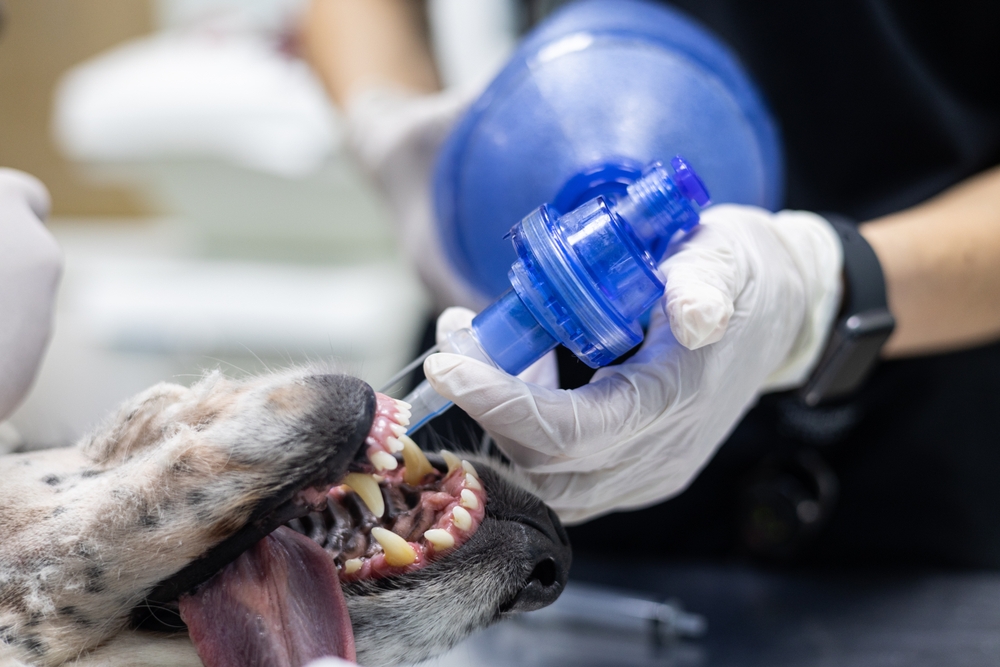
Modern veterinary anesthesia is extremely safe thanks to technological advances and comprehensive monitoring protocols. The American Animal Hospital Association (AAHA) discusses how anesthesia is safely used in dental procedures, significantly reducing the risks associated with these critical treatments. Anesthesia allows for complete immobilization of the pet, ensuring a thorough and effective cleaning while minimizing stress and discomfort.
Comprehensive Dental Evaluations
Anesthesia enables veterinarians to perform thorough dental evaluations and treat identified issues immediately. This comprehensive approach ensures that no underlying dental conditions are missed, thereby protecting a pet’s health in the long term. Anesthetized dental procedures facilitate the use of dental tools that reach below the gumline, where many dental diseases begin. This preventive care can halt the progression of periodontal disease, preventing tooth loss and other complications.
Common Concerns About Anesthesia for Pet Dental Procedures
Addressing the Fear of Anesthesia
Concerns about anesthesia are natural. However, when conducted under controlled conditions by experienced professionals, the risks are minimal. Modern anesthetic protocols are designed to cater to the individual needs of pets, enhancing safety. Veterinarians conduct pre-anesthetic assessments to ensure pets are in good health for the procedure and tailor anesthesia plans to address specific health concerns.
Ensuring Anesthesia Safety at Westerville Veterinary Clinic
At Westerville Veterinary Clinic, pet safety is a priority. Protocols are tailored to each pet’s health profile, ensuring the highest safety standards. State-of-the-art monitoring equipment is used to oversee pets throughout all procedures. Continuous monitoring of heart rate, blood pressure, and oxygen levels ensures that any potential issues are addressed immediately, maintaining high levels of care and safety.
The Westerville Veterinary Clinic Approach to Pet Dental Health
Dental Services and Protocols
The clinic offers comprehensive dental services tailored to meet the unique needs of each pet. Thorough pre-dental screening and detailed post-care instructions help pets recover quickly and safely. The team is dedicated to maintaining pet dental health through regular check-ups and cleanings, ensuring potential dental issues are identified and treated early.
Tips for Pet Owners: Maintaining Your Pet’s Dental Health at Home
While professional dental care is essential, pet owners can take steps at home to maintain their pet’s oral health and prevent dental issues. Regular brushing using pet-specific toothpaste can significantly reduce plaque buildup. Providing dental treats and toys designed to clean teeth can also help maintain oral hygiene. Additionally, regular check-ups can catch potential issues early, preventing them from developing into more serious conditions.
How to Schedule a Dental Checkup for Your Pet
Ensuring your pet receives regular dental checkups is crucial. To schedule an appointment, visit the Request Appointment page. The team is here to support you in maintaining your pet’s dental health. Prioritizing your pet’s dental care contributes to their overall well-being, ensuring they lead a long and healthy life.