Late-Night Emergency Care When You Need It — Open Until 1 AM
Welcome to the Westerville Veterinary Clinic, where we provide exceptional surgical care for pets. Located in Westerville, Ohio, we understand that the thought of your pet undergoing surgery can be overwhelming. Our dedicated team is committed to guiding you through the process with professionalism and care, ensuring you feel fully informed and confident in the services we provide.
Overview of Pet Surgical Procedures in Westerville, Ohio
Each year, many pets undergo essential surgical procedures to enhance their health and longevity. These range from routine surgeries like spaying and neutering to more intricate operations such as cruciate ligament repairs. At Westerville Veterinary Clinic, our skilled veterinarians employ the latest techniques and equipment to deliver optimal outcomes for your pets. Discover more about our services at Westerville Veterinary Clinic.
Preparing Your Pet for Surgery: Steps to Ensure Safety and Comfort
Proper preparation is crucial for your pet’s surgery. It includes pre-surgical protocols such as fasting and pre-op bloodwork, which are essential to ensure your pet is ready for anesthesia and the procedure. Keeping your pet calm and comfortable is also important. Here are some steps you can take:
- Adhere to the fasting instructions from your vet. An empty stomach helps prevent aspiration pneumonia, a severe condition that can occur if stomach contents are regurgitated and inhaled during anesthesia.
- Maintain a calm environment for your pet on surgery day. Stress can influence your pet’s blood pressure and immune response, complicating surgery and recovery. Use calming pheromones or soothing music as recommended by your veterinarian.
- Ensure a comfortable and quiet sleeping area the night before the procedure. A restful night can help your pet approach surgery with less anxiety.
For any questions about preparing your pet for surgery, feel free to contact us at Westerville Veterinary Clinic.
Common Surgeries for Dogs and What Owners Should Know
Spaying and Neutering
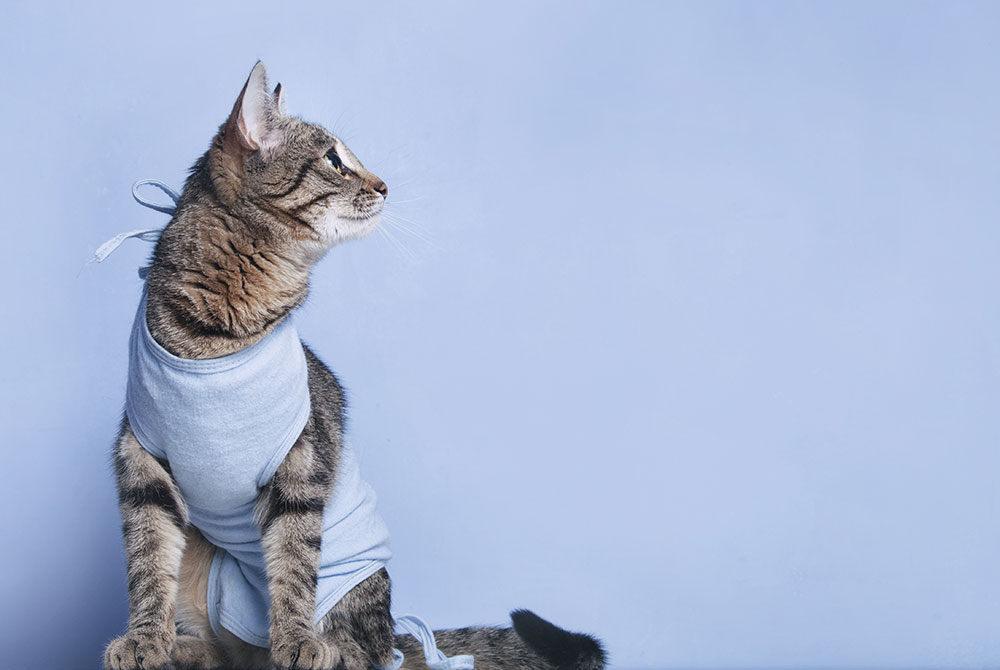
Spaying and neutering are prevalent surgeries that help control the pet population and prevent several health issues, including uterine infections, breast tumors, and testicular cancer. They can also reduce behavioral issues like marking territory and roaming. Post-surgery, it’s crucial to monitor your pet and limit their physical activity for about 10-14 days, preventing them from licking the incision site to avoid infection.
Cruciate Ligament Repairs in Dogs
Cruciate ligament injuries are frequent in dogs and can cause significant pain and mobility problems. Surgeries such as TPLO (Tibial Plateau Leveling Osteotomy) or TTA (Tibial Tuberosity Advancement) stabilize the knee joint. Without surgical intervention, dogs may experience chronic pain and progressive arthritis. Recovery typically involves restricted movement and physical therapy to regain strength and mobility. For more detailed information on these procedures, visit Canine Cruciate Ligament Injury and TPLO Info.
Dental Extractions
Dental health is vital for pets, and sometimes extractions are necessary to alleviate oral pain and infections, which can lead to more severe systemic issues like heart and kidney disease. After surgery, pain management and a soft diet are essential for recovery. Regular dental hygiene, including brushing and providing dental chews recommended by veterinarians, can prevent future problems.
Mass Removals
Mass removal is a common procedure, particularly in older dogs. These surgeries are crucial for diagnosing growth types and determining further treatment. Depending on the pathology report, additional treatment might include surgery, radiation, or chemotherapy. Regular check-ups and monitoring for new masses are essential for proactive health management.
Common Surgeries for Cats and What Owners Should Know
Urinary Obstruction Surgeries
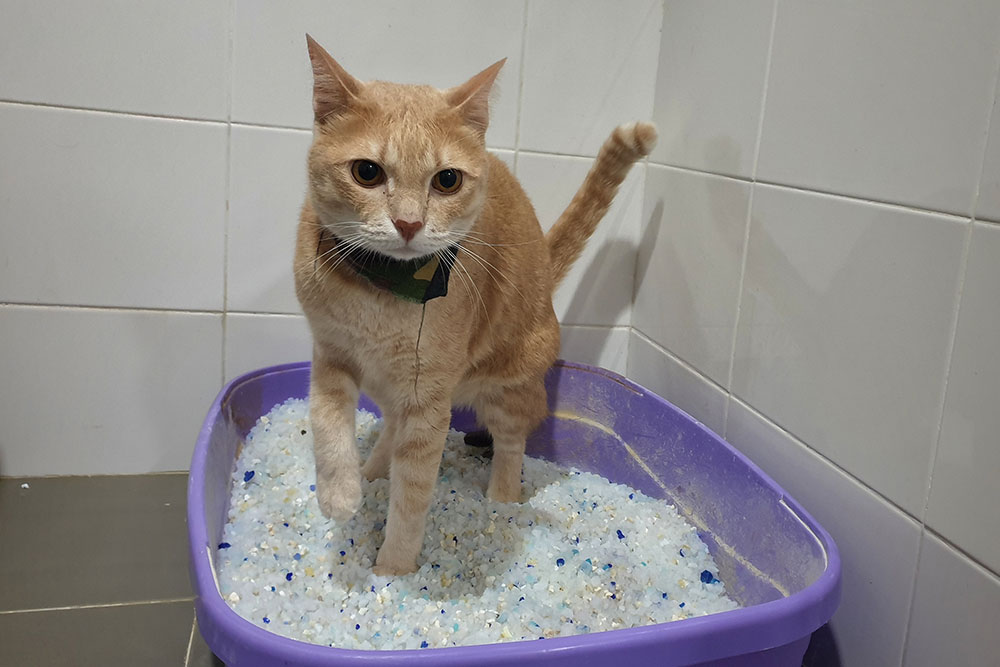
Urinary obstructions in cats require immediate surgical intervention, as blockages can lead to life-threatening kidney damage. Post-surgery, monitoring your cat’s urinary habits and providing a diet that supports urinary health is important, often involving prescription diets to prevent crystal formation. Recognizing signs of urinary distress, such as frequent litter box visits or straining, can prompt timely veterinary care.
Foreign Body Removal
Cats sometimes ingest objects causing intestinal blockages, such as strings or small toys. Surgical removal is crucial to prevent severe complications like bowel perforation. Post-operative care includes dietary management with easily digestible food and monitoring for infection or distress. To prevent future incidents, keep small objects out of reach and provide safe toys.
Recovery and Aftercare: Ensuring a Smooth Post-Operative Period
Post-operative care is essential for a smooth recovery. Follow these tips:
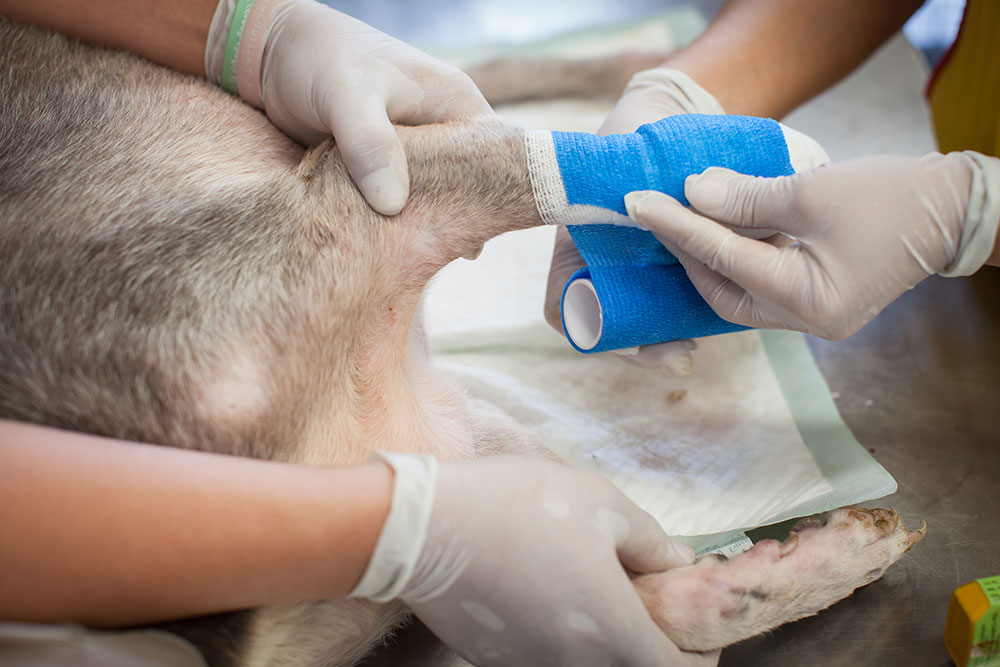
- Provide a quiet, comfortable resting area for your pet. Minimizing activity promotes faster healing and prevents complications like wound dehiscence.
- Adhere to all post-op care instructions provided by your vet. This includes administering medications like antibiotics or pain relievers as prescribed.
- Monitor for signs of infection or complications. Report any redness, swelling, discharge, lethargy, or loss of appetite to your vet immediately.
For follow-up visits or concerns during recovery, schedule an appointment.
The Role of Advanced Veterinary Surgery in Pet Health
Advancements in veterinary medicine have markedly improved the success rates of surgical procedures. Innovations such as minimally invasive techniques, like laparoscopy, reduce recovery times and minimize surgical risks. At Westerville Veterinary Clinic, we continuously update our practices and equipment to stay at the forefront of veterinary care. Our clients often share their positive experiences and the noticeable improvements in their pets’ health following surgery.
FAQs About Pet Surgery
We understand you might have many questions about pet surgery. Here are a few common ones:
- Is anesthesia safe for my pet? Anesthesia is safe when administered by experienced professionals and tailored to each pet’s specific health needs. Pre-anesthetic bloodwork helps identify any underlying conditions that may affect anesthesia.
- How can I manage my pet’s pain after surgery? We provide tailored pain management plans, which may include medications, supplements, or non-pharmaceutical options like laser therapy, to ensure your pet’s comfort during recovery.
For more detailed answers, visit Westerville Veterinary Clinic.
Choosing Westerville Veterinary Clinic for your pet’s surgical needs ensures compassionate and professional care. We support both you and your pet every step of the way.