Late-Night Emergency Care When You Need It — Open Until 1 AM
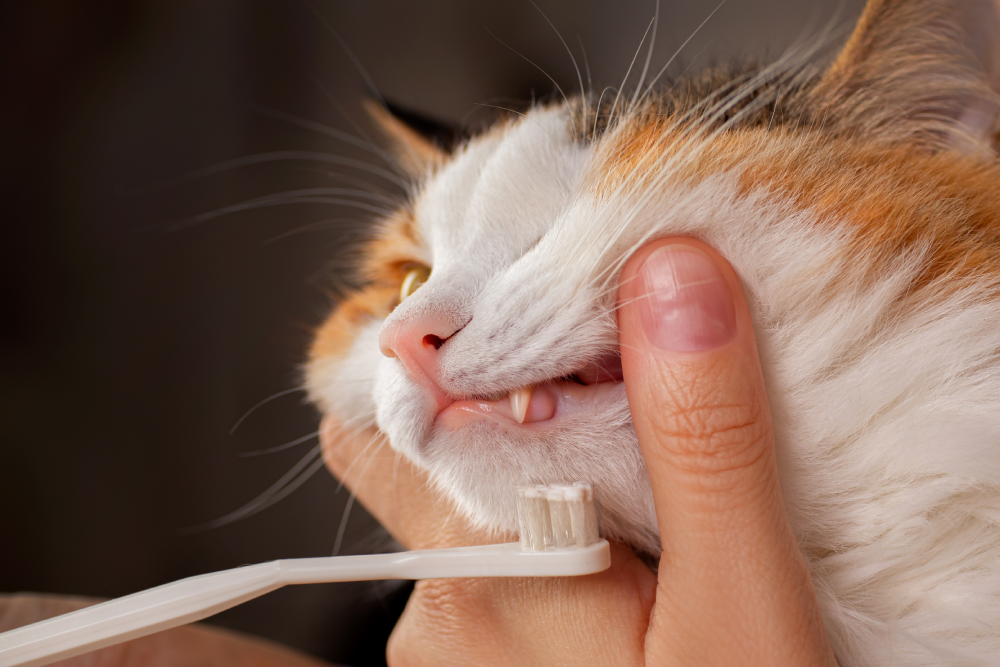
Understanding Pet Dental Health in Westerville, Ohio
Pet dental health is vital for the overall well-being of your pets. Just like humans, pets can suffer from a variety of dental issues that, if left untreated, could lead to serious health complications. We recognize the importance of timely and professional dental care for pets, which ranges from routine cleanings to more advanced surgical interventions.
Recognizing Signs of Dental Problems in Pets
Identifying dental problems early in pets can significantly enhance the effectiveness of treatments. Some common signs of dental issues include:
- Bad breath: Persistent foul odor from your pet’s mouth is often the first sign of dental disease. This can indicate plaque buildup or more serious conditions like periodontal disease.
- Difficulty eating: Changes in eating habits or visible discomfort while eating can indicate oral health issues. Pets may drop food, chew on one side, or refuse harder kibble.
- Pawing at the mouth: If your pet frequently paws at their mouth or face, this could be a response to dental pain. This behavior can also be accompanied by excessive drooling or bleeding from the mouth.
Regular check-ups are essential for early detection of dental problems. Pet owners are encouraged to schedule a dental consultation at Westerville Veterinary Clinic to ensure their pet’s mouth remains healthy.
Common Dental Issues That May Require Surgery
Periodontal Disease in Pets
Periodontal disease, a common condition affecting pets, involves inflammation and infection of the structures around the teeth. Untreated, it can progress from gingivitis to more severe periodontitis, potentially leading to tooth loss and systemic health issues such as kidney, liver, or heart disease. Surgery may be necessary to clean areas beneath the gum line and to remove diseased tissue, preventing further complications.
Broken or Fractured Teeth
Teeth fractures can occur from trauma or chewing hard objects such as bones, stones, or toys. These fractures can lead to infections or more severe complications if not treated promptly. A fractured tooth can expose the pulp, leading to pain and infection. Learn more about the diagnosis and treatment of fractured teeth.
Tooth Root Abscesses and Infections
An abscess or infection can develop from untreated tooth decay or injury. A tooth root abscess can cause significant pain and lead to swelling of the face or jaw. Surgical intervention often involves draining the abscess and possibly extracting the affected tooth to prevent further infection.
The Process of Dental Extractions and Advanced Dental Procedures
Pre-Surgical Assessments and Preparation
Before any surgical procedure, a thorough diagnostic assessment including X-rays and oral examinations is crucial. This helps in planning the best approach for surgery and ensures the safety of your pet. Blood tests may be conducted to assess the overall health of your pet and to ensure they can safely undergo anesthesia.
Dental Surgery Techniques at Westerville Veterinary Clinic
Our clinic utilizes the latest in veterinary dental technology to perform a variety of dental surgeries, from simple extractions to more complex procedures like root canals and advanced periodontal therapy. Our veterinarians are skilled in using minimally invasive techniques to reduce recovery time and discomfort for your pet.
Post-Surgical Care and Recovery
Post-operative care is critical for a successful recovery. We provide detailed guidelines on managing your pet’s pain, dietary adjustments, and activity levels post-surgery. Pain management options may include medications and specific dietary recommendations to ensure your pet’s comfort. Regular follow-up visits are crucial to monitor the healing process and catch any potential complications early.
Why Choose Westerville Veterinary Clinic for Your Pet’s Dental Surgery?
The staff at Westerville Veterinary Clinic are not only skilled but also deeply compassionate and committed to providing the highest standard of care. We prioritize patient comfort and owner education, ensuring you are fully informed about the procedures and care your pet receives.
Preventing Dental Diseases in Pets: Tips and Best Practices
Maintaining your pet’s dental health involves regular home care and professional cleanings. Here are some tips:
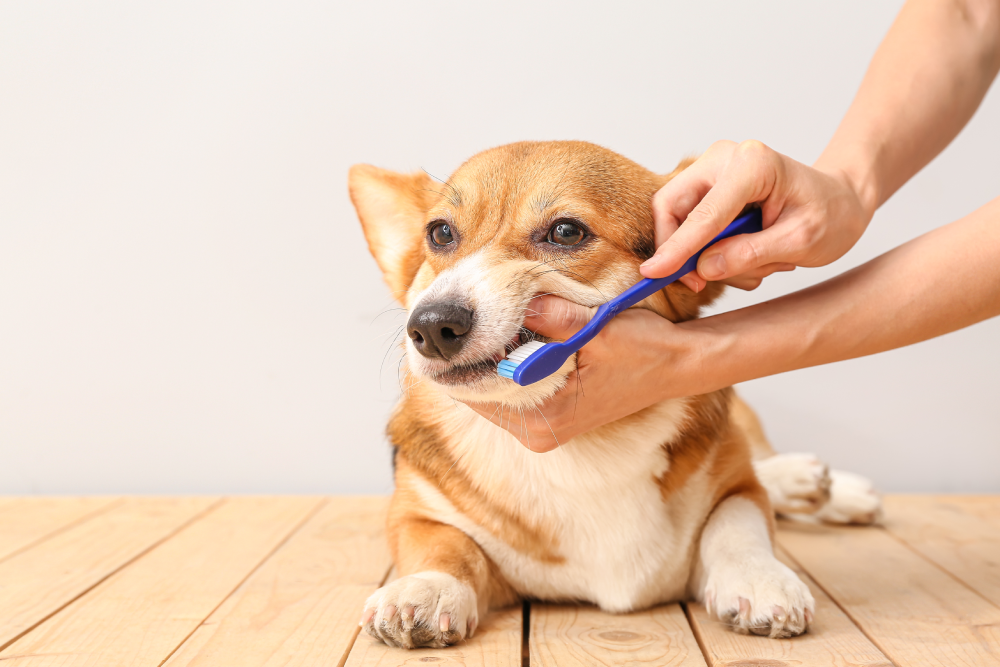
- Daily brushing: Use a toothbrush and toothpaste specifically designed for pets. Regular brushing helps remove plaque before it hardens into tartar.
- Dental chews and diets: These can reduce plaque and freshen breath. Look for products with the Veterinary Oral Health Council (VOHC) seal of approval.
- Regular check-ups and cleanings: Routine dental check-ups help catch issues early and prevent the progression of dental disease. Professional cleanings remove tartar and plaque that cannot be removed by brushing alone.
Frequently Asked Questions About Pet Dental Surgery
What are the signs that my pet might need dental surgery?
Signs can include bad breath, difficulty eating, and visible discomfort or swelling around the mouth. Additional signs may include reluctance to play with toys, drooling, or blood-stained saliva.
How safe is dental surgery for pets?
Dental surgeries are common and safe procedures, especially when performed by experienced veterinarians using modern techniques and equipment. We ensure that all necessary precautions are taken to minimize risks, including pre-surgical assessments and careful anesthesia monitoring.
What can I expect in terms of recovery and costs?
Recovery times vary depending on the procedure, but most pets recover within a few days. Costs can vary, and we provide clear pricing and options during your consultation. We are committed to transparency and offer guidance on potential payment plans or insurance options to manage expenses.
How to Contact Westerville Veterinary Clinic for Dental Care
For concerns regarding your pet’s dental health or to schedule a routine check-up, please contact Westerville Veterinary Clinic. Our knowledgeable staff is ready to assist with any questions or to schedule an appointment. Regular dental care not only improves your pet’s quality of life but also extends their lifespan by preventing serious health issues.