Late-Night Emergency Care When You Need It — Open Until 1 AM
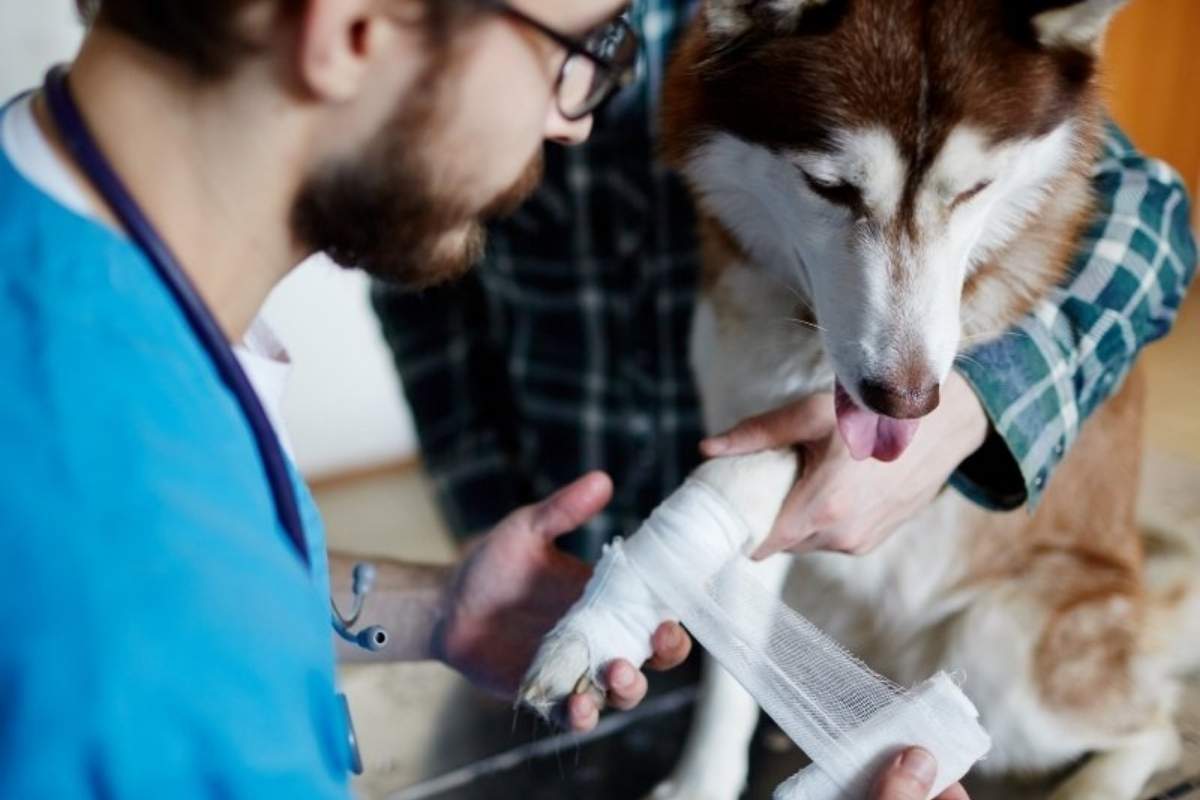
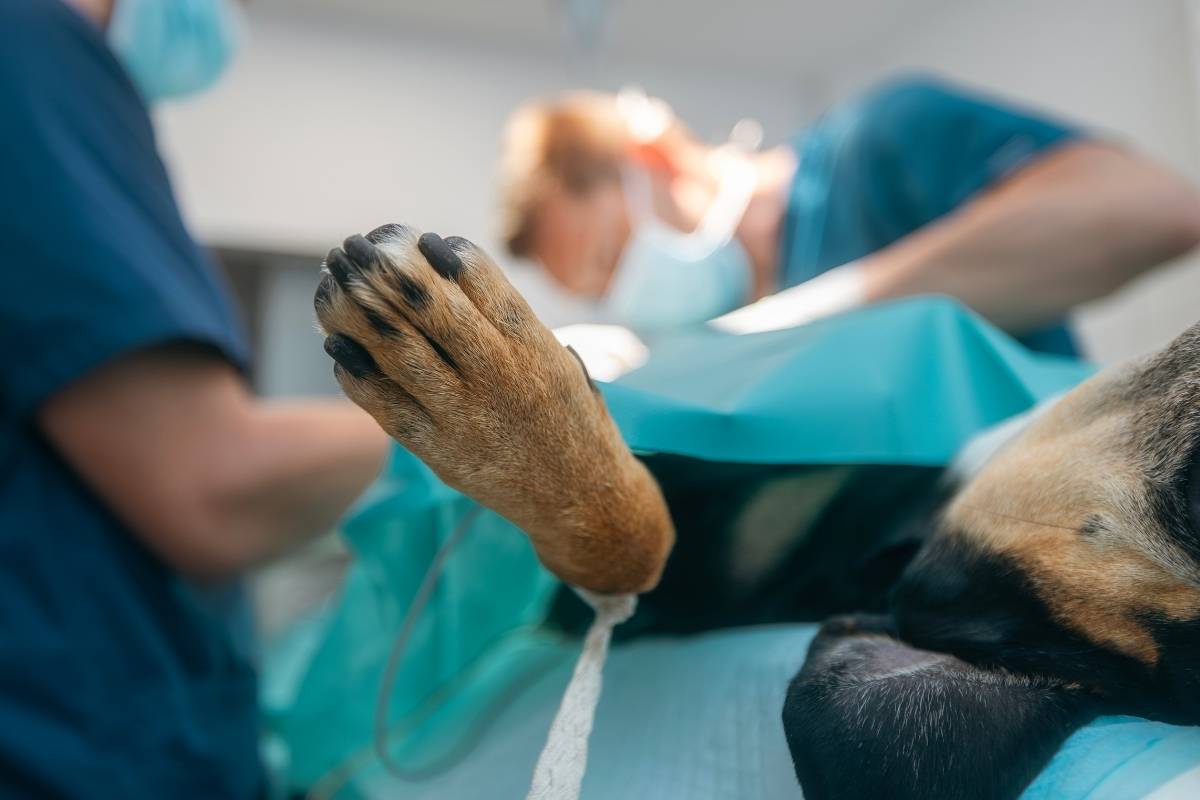
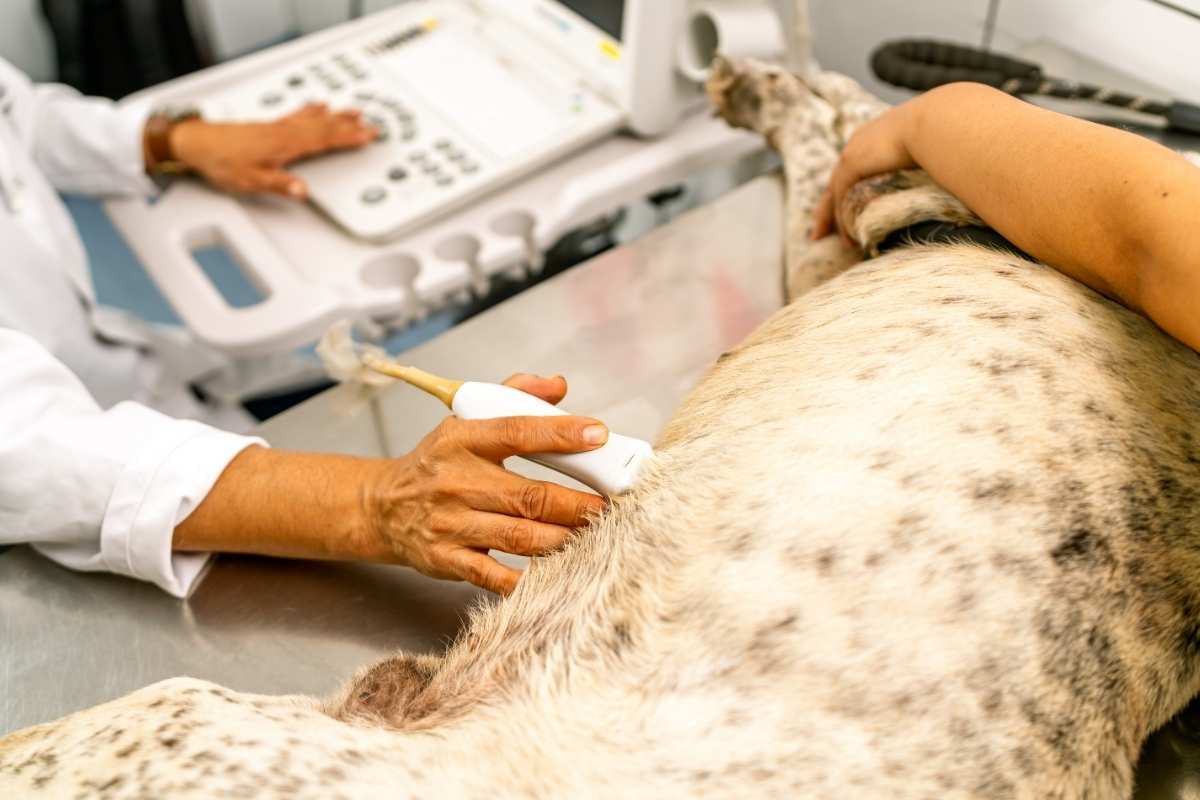
When a beloved pet experiences an injury or requires veterinary surgery, it’s only natural to seek the best possible support to help them heal and regain strength. While medical treatment and surgery are often necessary, animal rehabilitation plays a vital role in speeding recovery, restoring mobility, and improving overall quality of life. In this blog, we’ll explain what animal rehabilitation involves, why it matters, and how it can support your pet’s recovery journey for families in Westerville, Ohio.
What Is Animal Rehabilitation?
Animal rehabilitation — also known as physical therapy for pets — combines therapeutic exercises, manual techniques, and specialized equipment to assist animals recovering from injury, surgery, or chronic conditions. Just as humans benefit from physical rehabilitation after an injury or operation, dogs and cats can gain improved strength, flexibility, and confidence through structured rehab programs.
Rehabilitation focuses on rebuilding muscle strength, reducing pain, enhancing balance, and preventing future injuries. For pets that have undergone veterinary surgery, the right rehabilitation plan can make an enormous difference in recovery outcomes.
When Does a Pet Need Rehabilitation?
Pets may be recommended for rehabilitation for a variety of reasons, including:
- Recovery after veterinary surgery, such as orthopedic procedures
- Healing after trauma or injury
- Management of chronic conditions like arthritis or hip dysplasia
- Improving mobility in older pets
- Support for neurologic conditions such as intervertebral disc disease
Early intervention with rehabilitation can reduce the risk of complications, decrease pain, and speed up the return to normal activity.
Common Rehabilitation Techniques for Pets
1. Therapeutic Exercise
Gentle exercises designed to increase range of motion and muscle strength help pets regain function after surgery or injury. These exercises are tailored to your pet’s specific needs and supervised by veterinary professionals.
2. Hydrotherapy
Water provides a low-impact environment where pets can exercise without putting excessive strain on their joints. Hydrotherapy is especially beneficial for animals recovering from orthopedic surgery or suffering from arthritis.
3. Massage and Manual Therapy
Massage helps improve circulation, reduce muscle tension, and promote relaxation. Manual techniques can also aid in restoring joint flexibility.
4. Laser Therapy
Cold laser therapy is a non-invasive option that can reduce inflammation and pain, speeding up the healing process.
5. Balance and Coordination Training
Using balance equipment and guided activities, pets can rebuild confidence in their movement and coordination.
All these approaches work together to help your pet recover stronger and more comfortably.
Benefits of Rehabilitation After Injury or Surgery
Faster Recovery
Rehabilitation stimulates healing and helps pets regain function more quickly than with rest alone.
Reduced Pain and Inflammation
Therapies like laser treatment and massage decrease discomfort and promote better circulation.
Improved Mobility and Strength
Targeted exercises help rebuild muscles that may have weakened during illness or after surgery.
Better Long-Term Quality of Life
Rehabilitation doesn’t just aid recovery — it can also prevent future injuries and support aging pets in staying active and comfortable.
What to Expect During a Rehabilitation Program
When you choose rehabilitation services for your pet — such as the personalized therapy programs offered at WestVets Veterinary Clinic – your pet will first undergo a thorough evaluation. A veterinary rehabilitation specialist will assess:
- Current mobility and strength
- Pain levels
- Range of motion
- Specific recovery goals
From there, a customized rehabilitation plan is crafted. Throughout the process, pet owners receive guidance on at-home exercises and care practices to support ongoing progress between sessions.
Real Stories: Rehabilitation in Action
Pet owners in Westerville, Ohio, regularly share success stories about how rehabilitation transformed their pets’ lives. From dogs regaining confidence after hip surgery to cats improving balance after injury, rehabilitation often brings renewed joy and activity. These tangible results highlight the impact compassionate, evidence-based therapy can have on pets and their families.
If your pet has recently experienced an injury or had surgery, don’t wait to support their recovery. Schedule your appointment with WestVets Veterinary Clinic today and discover how expert rehabilitation services can help your furry companion regain strength, mobility, and comfort.
FAQs:
Q1. What is animal rehabilitation for pets?
Ans. Animal rehabilitation uses therapeutic exercises and treatments to enhance healing, reduce pain, and restore mobility after injury or surgery.
Q2. How soon after surgery should my pet start rehabilitation?
Ans. This varies depending on your pet’s condition and the type of surgery. Your veterinarian will recommend the best start time for rehab.
Q3. Is rehabilitation painful for my pet?
Ans. Rehabilitation is designed to be gentle and supportive. Techniques such as hydrotherapy and massage actually reduce pain and aid healing.
Q4. Can older pets benefit from rehabilitation?
Ans. Yes. Rehabilitation can significantly improve the quality of life for senior pets by increasing strength, flexibility, and comfort.
Q5. How long does a rehabilitation program take?
Ans. The duration depends on your pet’s age, overall health, and the severity of the injury. Your vet will customize the timeline to fit your pet’s unique needs.