
Late-Night Emergency Care When You Need It — Open Until 1 AM
Golden Years Pet Care
Senior Pet Care for a Healthier, Happier Life
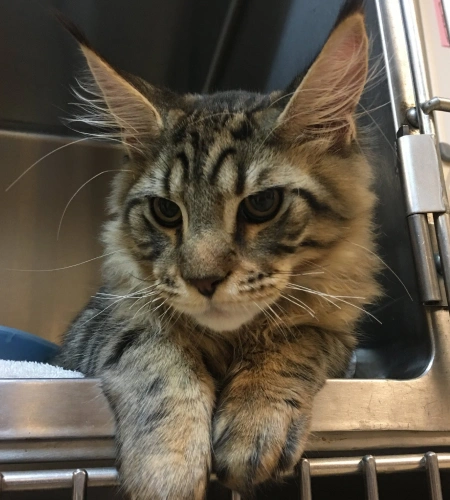
Pets age much like humans, though they tend to do so more quickly. By the age of 7, most dogs and cats are considered seniors and have unique health needs that we can help you manage with our senior pet care expertise at Westerville Veterinary Clinic.
As pets grow older, they may face a range of health challenges, including arthritis, dental disease, and changes in vision or hearing. At Westerville Veterinary Clinic, we provide specialized care to monitor and manage these conditions, helping your senior pet stay comfortable and active. Our services include regular wellness exams, customized nutrition plans, and preventive treatments designed to support a healthy, happy life in their golden years. We also prioritize pain management, mobility support, and cognitive health to improve your pet’s overall well-being. Our compassionate team is here to guide you with expert advice and personalized recommendations to ensure the best quality of life for your senior pet in Westerville, OH.
Book Online
Keeping Your Senior Dog Healthy

Senior pets deserve specialized care to support their health and longevity. At Westerville Veterinary Clinic, we recommend semi-annual visits for geriatric patients so we can closely monitor for changes such as weight loss, heart health concerns, dental disease, cataracts, glaucoma, arthritis, and even cancer. These regular check-ups allow us to detect issues early, manage them proactively, and help your pet enjoy a happier, healthier life.
Understanding the Needs of Your Senior Dog
- One human year equals about 5–7 dog years, so health changes can happen quickly—in 3–6 months.
- Dogs are seniors by age 7; large breeds may be seniors by 5.
- Dental disease is common and can cause pain and lead to heart and kidney problems.
- Routine tests like blood work and X-rays help catch health issues early.
- Older dogs need fewer calories but enough protein; obesity raises risks of arthritis and diabetes.
- Behavioral changes like confusion and forgetfulness are common but manageable with treatment.
At Westerville Veterinary Clinic, we’re here to support your senior dog’s health every step of the way.
Caring for Your Senior Cat
- Cats are generally considered seniors by the age of 8.
- One human year equals roughly 5–7 cat years, so health changes can happen within just 3–6 months.
- Dental disease is common in senior cats, causing pain, infections, tooth loss, bad breath, and potentially contributing to kidney and heart disease.
- Senior cats benefit from specialized care including blood tests, urinalysis, fecal exams, X-rays, and ultrasounds—similar to human seniors.
- Nutritional needs change with age. Older cats usually eat fewer calories and are less active. Protein malnutrition is linked to 50–70% of kidney and liver diseases, while obesity can cause arthritis, diabetes, and various cardiovascular, respiratory, and musculoskeletal issues.
- Behavioral changes are frequent in aging cats. Your senior cat may become disoriented, sleep more, interact less, or forget housetraining. These senile behaviors can often be managed with modern therapies.
- Over 80% of cats older than 8 experience some degree of arthritis. Cats tend to hide pain well, making symptoms subtle. We offer multimodal pain management and guidance to help keep your cat comfortable.