
Late-Night Emergency Care When You Need It — Open Until 1 AM
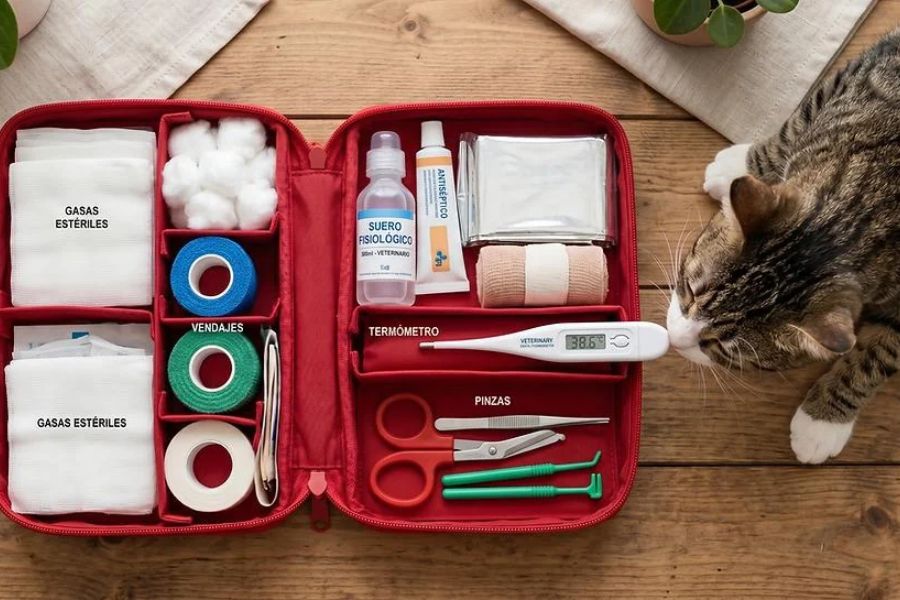
A pet emergency can happen at home, during a walk, or while travelling. Having a well-stocked pet first aid kit helps you respond calmly to minor injuries, cuts, insect stings, and unexpected accidents. Every pet owner should know which supplies to keep, how to use basic first aid items, and when professional attention is necessary.
This guide covers essential first aid supplies for dogs and cats, additional items for travel, important safety precautions, and situations that require urgent pet care. A first aid kit cannot replace veterinary treatment, but proper preparation can help protect your pet when every moment matters.
Why Every Pet Owner Needs a First Aid Kit
Dogs and cats explore their surroundings with curiosity. Sharp objects, rough surfaces, accidental falls, insect bites, and household hazards can create unexpected health concerns. A pet first aid kit provides convenient access to basic supplies when immediate assistance is needed.
It also helps owners avoid searching for essential items during stressful situations. Keeping everything together allows you to assess minor problems, protect an injured area, and contact a veterinary professional for appropriate instructions.
A prepared kit is especially useful for households with multiple pets, senior animals, adventurous dogs, and families who frequently travel with their companions.
Complete Pet First Aid Kit Checklist
Use this checklist when assembling your supplies. Choose pet-safe products and check expiration dates regularly.
1. Wound Cleaning and Protection Supplies
- Sterile gauze pads: Cover minor wounds and help absorb blood.
- Non-stick wound dressings: Protect injured skin without sticking directly to it.
- Self-adhering bandages: Provide temporary protection when applied correctly.
- Medical adhesive tape: Secure dressings without attaching tape directly to fur or injured skin.
- Sterile saline solution: Rinse superficial wounds and remove loose dirt.
- Clean towels: Help dry wet fur or provide gentle pressure over bleeding areas.
- Disposable gloves: Reduce contamination when handling wounds.
Avoid applying alcohol, hydrogen peroxide, or household disinfectants to open wounds unless specifically directed by a veterinarian.
2. Essential Tools for Pet Emergencies
- Blunt-ended scissors: Cut gauze or bandages without sharp tips.
- Tweezers: Help remove visible splinters or debris carefully.
- Tick removal tool: Supports proper removal of attached ticks.
- Digital thermometer: Helps measure temperature when you know how to use it safely.
- Flashlight: Improves visibility when examining injuries.
- Magnifying glass: Helps identify small visible objects.
- Disposable syringes without needles: Measure or administer veterinarian-approved oral liquids.
Never force a thermometer into an uncooperative pet or attempt to remove deeply embedded objects.
3. Basic Health and Comfort Items
Include these useful additions:
- Instant cold pack: Wrap it in a towel before applying briefly to minor swelling.
- Emergency blanket: Helps provide warmth during transport.
- Muzzle: Keep a properly fitted option available, but never muzzle an animal experiencing breathing difficulties, vomiting, or facial injuries.
- Pet carrier or leash: Helps transport or control an injured animal safely.
- Clean water: Supports basic hydration needs when appropriate.
Choose a labelled container and tailor contents to your pet’s size, age, routine, and known risks. A first aid kit helps, but has limits.
Do not stock human painkillers, antibiotics, or prescription medicines for self-treatment. Some are toxic. Include veterinarian-approved products with written instructions.
Keep medication, allergy, vaccination, and medical records, plus veterinary and emergency contacts, in a waterproof pouch.
Pet Travel First Aid Kit
Pack a compact kit for trips. Include gauze, saline, gloves, bandages, tick remover, water, leash, waste bags, and medical information. Store it safely in a waterproof container away from heat.
Check supplies. Replace expired or damaged items and replenish anything used. Show family members where it is stored.
When Does Your Pet Need Urgent Care?
First aid cannot replace professional care. Seek immediate veterinary attention for heavy bleeding, deep wounds, suspected poisoning, breathing difficulty, collapse, seizures, severe burns, eye injuries, or inability to urinate. Do not wait.
Keep your pet calm. Do not give food, water, or medication to an unconscious animal. Call the clinic for instructions. Never induce vomiting unless a veterinary professional directs you.
Be Prepared Before an Emergency Happens
A first aid kit helps, but has limits. Westerville Veterinary Clinic is committed to helping local pets receive attentive, compassionate care. If your pet is injured, seriously unwell, or showing alarming symptoms, do not delay. Contact us immediately at 614-882-2332 for guidance and urgent care in Westerville. Your quick response can make a meaningful difference to your pet’s safety.
Frequently Asked Questions(FAQs):
1. What should every pet first aid kit contain?
A: Include sterile gauze, non-stick dressings, bandages, saline, gloves, blunt scissors, tweezers, a tick remover, thermometer, clean towels, emergency contacts, and your pet’s medical information.
2. Can I use a human first aid kit for my dog?
A: Gauze and gloves may be suitable. Human medications and topical products can be dangerous. Ask your veterinarian before use.
3. Is hydrogen peroxide safe for cleaning pet wounds?
A: Hydrogen peroxide can irritate tissue and delay healing. Do not use it unless your veterinarian specifically recommends it. Use sterile saline to rinse superficial injuries.
4. Should I keep medication in my pet first aid kit?
A: Keep only medicines prescribed or approved for your individual pet. Record instructions and expiry dates. Never give human pain relievers or leftover prescriptions without veterinary guidance.
5. How often should I check my pet first aid kit?
A: Review your kit every three to six months. Replace expired supplies, replenish used items, update contacts, and check packaging.
6. When should I take my pet to an emergency veterinarian?
A: Seek immediate care for breathing problems, collapse, seizures, poisoning, severe bleeding, deep wounds, serious burns, eye injuries, or difficulty urinating. Call an emergency clinic promptly.