
Late-Night Emergency Care When You Need It — Open Until 1 AM

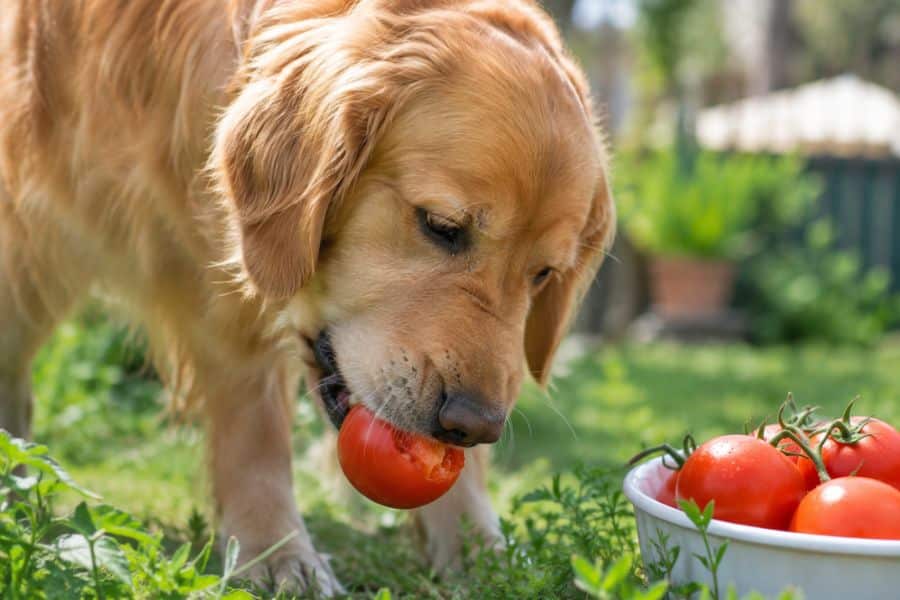
A ripe red tomato may look harmless, but parts of the tomato plant can cause problems for dogs. Ripe tomato flesh is generally safe in small amounts, while green tomatoes, stems, and leaves contain solanine and related compounds that can upset a dog’s digestive system and, in larger exposures, affect the nervous system.
This guide explains tomato toxicity, warning signs, what to do after ingestion, when an emergency visit is needed, and how to prevent repeat exposure.
Are Tomatoes Toxic to Dogs?
The answer depends on which part of the plant your dog ate and how much was consumed. A small piece of a fully ripe, red tomato is usually not considered poisonous for most healthy dogs. The risk increases when a dog eats unripe green tomatoes or plant material such as leaves and stems.
Tomato poisoning in dogs is linked mainly to naturally occurring compounds called glycoalkaloids, including solanine. Concentration varies with the plant part and maturity. A dog that eats a few ripe tomato pieces may have no symptoms. A dog that consumes a large quantity of green fruit or tomato vines deserves closer attention.
Why Green Tomatoes Matter
Unripe tomatoes contain higher levels of potentially harmful compounds than ripe fruit. Tomato leaves and stems can contain significant amounts as well. Garden access creates a practical risk because curious dogs may chew fallen fruit, pull up plants, or eat clippings.
Signs of Tomato Poisoning in Dogs
Symptoms can range from mild stomach upset to more serious neurological changes. Watch for:
- Vomiting
- Diarrhea
- Drooling
- Loss of appetite
- Abdominal discomfort
- Weakness
- Lethargy
- Dilated pupils
- Confusion or unusual behavior
- Poor coordination
- Tremors
- Abnormal heart rate
- Seizures in severe cases
The timing and severity depend on the amount eaten, the plant material involved, and the dog’s size and health. A symptom-free dog should still be monitored after a known exposure.
What Should You Do If Your Dog Eats a Tomato?
Stay calm and gather information. Identify whether your dog ate ripe tomato flesh, green tomatoes, leaves, stems, or an entire plant. Estimate the amount and note when the ingestion happened. Keep a sample or photograph of the plant if identification could be uncertain.
Call your veterinarian or a pet poison service for individualized guidance. Do not give hydrogen peroxide, milk, oils, salt, or other home remedies unless a professional specifically tells you to do so. Do not induce vomiting without instructions. Some situations make vomiting unsafe.
When Is It an Emergency?
Seek immediate vet care if your dog has repeated vomiting, severe weakness, collapse, breathing difficulty, tremors, seizures, marked confusion, or significant coordination problems. A large or unknown amount of plant material warrants prompt professional advice even when your dog looks normal.
How Is Tomato Poisoning Treated?
There is no single treatment used for every exposure. Care depends on the symptoms, amount consumed, and time since ingestion. A clinic may assess hydration, heart rate, neurological function, and other vital signs.
Treatment can include fluids, medication for vomiting or stomach irritation, observation, and supportive care. More serious cases may need closer monitoring until abnormal neurological or heart-related signs settle.
How to Prevent Tomato Exposure
Keep tomato plants behind secure barriers that your dog cannot reach. Remove fallen green tomatoes and plant debris from the yard. Store harvested tomatoes where pets cannot access them. Teach a reliable “leave it” cue for garden areas.
Never assume a dog will avoid a plant because its fruit is familiar. Puppies and persistent chewers can investigate leaves, stems, roots, and fallen produce.
A garden check can prevent an avoidable scare. Look at your dog’s outdoor area from their eye level, remove accessible plant material, and secure compost bins. Ask household members to keep pruning waste away from curious pets at all times.
Can Dogs Eat Tomatoes Safely?
Many dogs can eat small portions of ripe, red tomato flesh without trouble. Wash the tomato, remove the stem and leaves, and offer a small piece. Avoid seasoned tomato products containing onion, garlic, excessive salt, or other ingredients that may harm dogs.
Individual tolerance varies. A new food can cause digestive upset even when it is not poisonous. Treat tomato as an occasional snack rather than a dietary staple.
Frequently Asked Questions(FAQs):
1. Can dogs eat red tomatoes?
A: Small amounts of ripe red tomato flesh are generally safe for many dogs. Remove the stem and leaves, wash the fruit, and offer a modest portion. Stop feeding it if your dog develops vomiting, diarrhea, or other concerning symptoms.
2. Are green tomatoes poisonous to dogs?
A: Green, unripe tomatoes contain higher concentrations of glycoalkaloids than ripe fruit. A small accidental bite may not cause illness, but larger amounts can create a greater risk. Contact a professional for advice after a known exposure.
3. What happens if a dog eats tomato leaves?
A: Tomato leaves can contain compounds that irritate the digestive system and may affect the nervous system when enough is consumed. Monitor closely for drooling, vomiting, weakness, confusion, tremors, or coordination changes after ingestion.
4. How long after eating tomatoes will symptoms appear?
A: Symptoms may vary according to the amount eaten and the plant material involved. Some dogs remain normal, while others develop digestive or neurological signs. Contact a professional promptly rather than waiting for symptoms after a significant exposure.
5. Should I make my dog vomit after eating a tomato plant?
A: Do not induce vomiting unless a veterinarian or poison professional directs you. Vomiting can be unsafe in certain circumstances. Give accurate details about the plant, amount, timing, and your dog’s symptoms so appropriate guidance can be provided.
6. Can tomato poisoning in dogs be fatal?
A: Severe poisoning is possible but uncommon, particularly with small amounts of ripe fruit. Serious signs require immediate veterinary attention. Rapid assessment, supportive treatment, and monitoring can help manage complications when a dog consumes substantial plant material.