Late-Night Emergency Care When You Need It — Open Until 1 AM
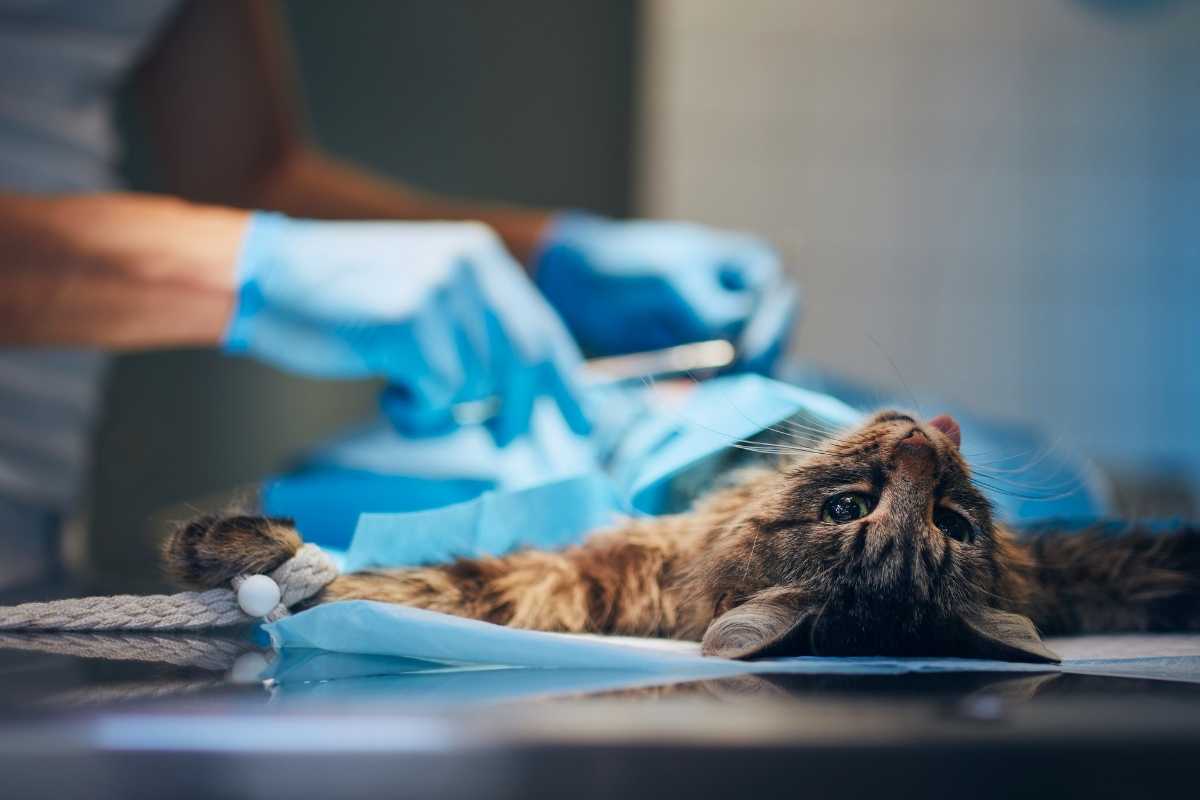
If your cat has just been spayed, you might be wondering how much rest she truly needs before she’s back to her playful self. Spaying is one of the most common and beneficial procedures for female cats—it prevents unwanted litters, reduces the risk of certain diseases, and can even promote a calmer temperament. However, while the surgery itself is routine, the recovery period requires careful attention and plenty of rest to ensure your feline friend heals comfortably and safely.
Understanding your cat’s recovery needs is essential. Proper rest not only helps the surgical site heal but also reduces the risk of complications like infection, swelling, or reopened stitches. With the right environment, gentle care, and a little patience, your cat will be back to purring and playing in no time.
Why Rest Is Crucial After Spaying
Rest plays a critical role in your cat’s recovery. Spaying involves removing the ovaries and uterus through an abdominal incision, which is a significant procedure despite being common. In the first 24 to 48 hours post-surgery, your cat may appear groggy, disoriented, or uninterested in food. This is a normal response to anesthesia and pain medication.
During this time, it’s vital to provide a calm, quiet space where she can rest without disturbance. Limit her physical activity for at least 10 to 14 days after surgery to give her body enough time to heal. Overexertion—such as jumping on furniture or running around—can strain the incision and delay healing.
Rest also helps stabilize your cat’s immune response. When she’s calm and comfortable, her body can focus on tissue repair and internal healing rather than managing unnecessary stress or activity.
Creating a Comfortable Recovery Space
A peaceful recovery space makes a huge difference in your cat’s healing process. Choose a quiet room where she can rest away from household noise, children, or other pets. Consider these helpful tips:
- Provide a soft bed or blanket to keep her warm and comfortable.
- Keep food, water, and a litter box nearby so she doesn’t have to move too much.
- Use a recovery cone or soft collar to prevent licking or biting at her stitches.
- Avoid stairs or high furniture, as jumping can strain her incision.
- Maintain a steady room temperature — avoid drafts or direct air conditioning.
Cats naturally seek cozy, enclosed areas when recovering, so providing a small enclosed bed or covered crate can help her feel secure. If you’ve been researching pet surgery in Westerville, you already know how important it is to follow your vet’s discharge instructions carefully to ensure a smooth recovery.
Monitoring the Healing Process
Monitoring your cat’s incision daily is key to preventing complications. Look for any changes around the surgical site, such as:
- Mild redness and slight swelling (normal during the first few days).
- Scabbing that forms naturally as healing progresses.
- No discharge or foul odor — any oozing or strong smell may indicate infection.
Also, pay attention to your cat’s behavior. Signs that may suggest something isn’t right include:
- Persistent lethargy beyond 48 hours.
- Refusing food or water.
- Crying or hiding excessively.
- Excessive licking or biting at the incision.
If you notice any of these signs, contact your veterinarian immediately. Early action helps prevent minor issues from developing into serious complications.
How to Support Recovery Through Nutrition and Routine
Rest isn’t the only factor in your cat’s healing — nutrition and consistency matter too. After surgery, your cat’s appetite might be reduced for the first day. Offer small, light meals and fresh water. Once her appetite returns, resume her regular diet unless your veterinarian recommends otherwise.
Good nutrition supports tissue repair and helps replenish lost energy. Choose high-quality cat food rich in protein and essential vitamins. Avoid giving treats or new foods during the recovery period, as these might upset her stomach.
Try to maintain a predictable daily routine — consistent feeding, quiet evenings, and gentle reassurance go a long way in helping your cat feel safe and relaxed. Cats thrive on routine, and a stable environment promotes faster recovery.
Rest Guidelines by Recovery Stage
Here’s a quick overview of what to expect during each phase of your cat’s recovery:
- First 24 hours: Your cat will likely be drowsy from anesthesia. Keep her confined and quiet. Offer small sips of water once she’s fully awake.
- Days 2–4: She’ll regain her appetite and energy gradually. Limit play and movement, and check the incision daily.
- Days 5–10: Healing is well underway, but jumping or running should still be avoided. Continue monitoring for swelling or redness.
- Days 10–14: Most cats are ready to return to normal activity once the incision is fully closed and your vet gives approval.
Remember, healing time may vary slightly depending on your cat’s age, health, and personality.
When to Contact Your Veterinarian
While mild fatigue or decreased appetite is normal at first, contact your vet if you notice any of the following:
- Continuous bleeding or discharge from the incision.
- Open or separated stitches.
- Persistent vomiting, diarrhea, or lack of appetite.
- Signs of pain such as vocalizing, hunching, or hiding excessively.
Your veterinarian may recommend an in-person exam or adjustments to pain medication. Never give human pain relievers to your cat, as they can be toxic.
Your cat’s rest after being spayed is just as important as the surgery itself. Providing a quiet environment, monitoring her incision, and following your veterinarian’s guidance will ensure she heals safely and comfortably. Remember, patience and gentle care make recovery smoother — and before you know it, your feline companion will be back to her playful, affectionate self.
If you’re looking for reliable veterinarians in Westerville, Westerville Veterinary Clinic offers expert post-operative care and guidance tailored to your cat’s unique recovery needs. Their compassionate team ensures every patient receives attentive, individualized care for a safe and stress-free healing journey.
Frequently Asked Questions
Q: How much rest does my cat need after being spayed?
Ans: Most cats need at least 10–14 days of rest before returning to normal activities. Limit jumping and rough play during this time.
Q: Can my cat sleep in bed with me after surgery?
Ans: It’s best to keep her in her own recovery space for the first few nights to prevent accidental injury to her incision.
Q: What should I do if my cat is too active after spaying?
Ans: Keep her confined to a smaller room or crate to limit movement. Distractions like soft toys or gentle petting can help calm her.
Q: When can I remove the recovery cone?
Ans: The cone can typically be removed after 10–14 days, once your vet confirms the incision is completely healed.
Q: Is it normal for my cat to sleep a lot after being spayed?
Ans: Yes. Rest and sleep are part of the natural healing process, especially in the first few days post-surgery.
Q: How can I tell if my cat’s incision is infected?
Ans: Signs include redness, swelling, pus, or a foul odor. Contact your veterinarian immediately if you see any of these symptoms.