Late-Night Emergency Care When You Need It — Open Until 1 AM
Dogs are naturally curious, energetic companions, and many pet owners focus on keeping them active and happy. However, maintaining your dog’s health also involves being attentive to subtle physical and behavioral changes. One concern that sometimes goes unnoticed is the development of tumors or abnormal growths. While not all lumps or bumps are cancerous, identifying potential problems early can make a significant difference in treatment outcomes.
Dogs can develop tumors for a variety of reasons, including age, genetics, or environmental factors. Because many tumors begin as small or painless changes, pet owners may overlook early warning signs. Learning how to recognize these signs allows you to seek veterinary care sooner and help protect your pet’s well-being.
Veterinary professionals, including the team at Westerville Veterinary Clinic, often encourage routine health checks and early evaluations when changes appear. For dog owners in Westerville, Ohio, understanding what to watch for can help support early detection and timely care.
1. Unusual Lumps or Bumps
One of the most noticeable signs of a possible tumor is the appearance of a new lump under the skin. Some lumps may feel soft or movable, while others may appear firm or fixed.
Not all lumps are dangerous, but any new growth should be evaluated by a veterinarian. Early assessment helps determine whether the mass is benign or requires further attention.
2. Changes in the Size or Shape of Existing Lumps
If your dog already has a lump, it is important to monitor it regularly. A lump that suddenly grows larger, changes shape, or becomes harder may indicate a developing issue.
Keeping track of size changes and discussing them with a veterinarian can help ensure that potential concerns are addressed early.
3. Persistent Swelling
Swelling that does not go away or continues to increase over time can sometimes indicate an underlying tumor. This swelling may appear on the legs, face, abdomen, or other areas of the body.
Persistent swelling should always be evaluated to rule out infection, inflammation, or abnormal tissue growth.
4. Unexplained Weight Loss
Sudden or gradual weight loss without changes in diet or exercise may signal an underlying health condition. In some cases, tumors can affect a dog’s metabolism or appetite.
If you notice your dog losing weight unexpectedly, a veterinary examination can help determine the cause.
5. Changes in Appetite
Dogs typically have consistent eating habits. A noticeable loss of appetite, difficulty chewing, or reluctance to eat may indicate discomfort or illness.
Tumors affecting the mouth, digestive system, or internal organs can sometimes interfere with normal eating behavior.
6. Unusual Bleeding or Discharge
Unexpected bleeding or discharge from the nose, mouth, or other body areas should never be ignored. These symptoms may occur when abnormal tissue growth affects surrounding structures.
Prompt veterinary evaluation can help identify the cause and determine appropriate treatment options.
7. Persistent Lethargy
A decrease in energy levels or an unusual lack of interest in normal activities may signal that something is wrong. Dogs that appear tired, withdrawn, or less playful than usual may be experiencing discomfort.
Lethargy can have many causes, but when combined with other symptoms, it may indicate an underlying health issue.
8. Difficulty Breathing or Moving
Tumors affecting the chest, lungs, or joints may cause breathing difficulties or mobility problems. Signs such as coughing, limping, or stiffness may appear gradually.
Because these symptoms can worsen over time, early veterinary evaluation is important to determine the cause.
Why Early Detection Matters
Recognizing these warning signs helps pet owners spot dog tumors early, which can greatly influence treatment outcomes. When detected in the early stages, many tumors can be evaluated and treated more effectively.
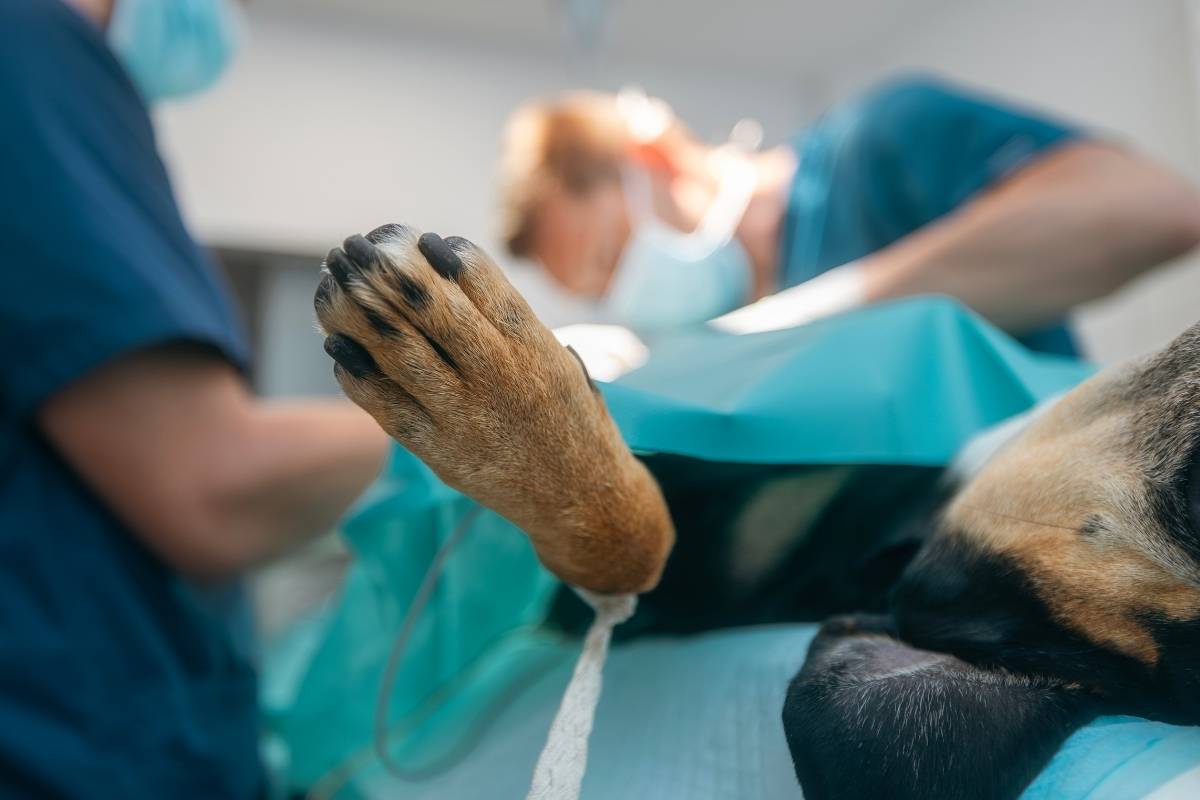
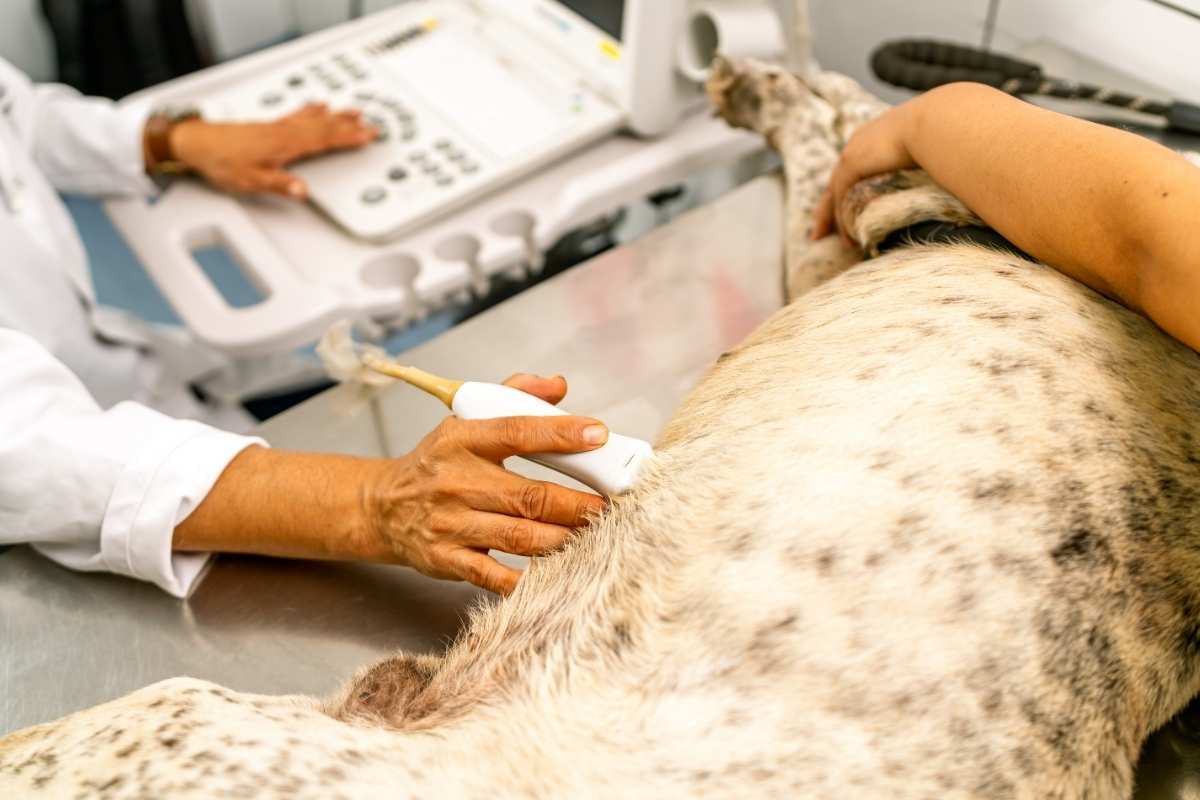
In some cases, veterinarians may recommend diagnostic tests, imaging, or veterinary surgery to remove abnormal growths or obtain tissue samples for analysis. These procedures help determine whether the tumor is benign or malignant and guide the next steps in treatment.
Routine wellness exams also play an important role in early detection. During these visits, veterinarians can examine your dog for subtle changes that may not be immediately noticeable at home.
Supporting Your Dog’s Long-Term Health
Staying attentive to changes in your dog’s health is an important part of responsible pet ownership. Regular physical checks at home—such as gently feeling for new lumps while grooming—can help you notice abnormalities early.
For pet owners in Westerville, OH, scheduling routine wellness exams and discussing any unusual symptoms with veterinary professionals can support early diagnosis and care. If you notice any concerning signs or would like your dog evaluated, you may consider booking an appointment with Westerville Veterinary Clinic to discuss your pet’s health and treatment options. In situations where abnormal growths are detected, veterinarians may recommend diagnostic procedures or veterinary surgery depending on the specific condition.
FAQs:
Q1. Are all lumps on dogs cancerous?
Ans. No. Many lumps are benign, such as fatty tumors or cysts. However, any new or changing lump should be evaluated by a veterinarian.
Q2. How often should I check my dog for lumps?
Ans. Pet owners should check their dog’s body for lumps during regular grooming or petting sessions at least once a month.
Q3. What should I do if I find a lump on my dog?
Ans. Schedule a veterinary exam so the lump can be evaluated. Your veterinarian may recommend testing, such as a biopsy or fine needle aspiration.
Q4. Can tumors in dogs be treated successfully?
Ans. Many tumors can be treated successfully, especially when detected early. Treatment options vary depending on the type and location of the tumor.
Q5. Are older dogs more likely to develop tumors?
Ans. Yes. Tumors are more common in senior dogs, which is why regular veterinary checkups become increasingly important with age.
Q6. When is surgery recommended for dog tumors?
Ans. Surgery may be recommended when a tumor needs to be removed or when tissue samples are required for diagnosis.