Late-Night Emergency Care When You Need It — Open Until 1 AM
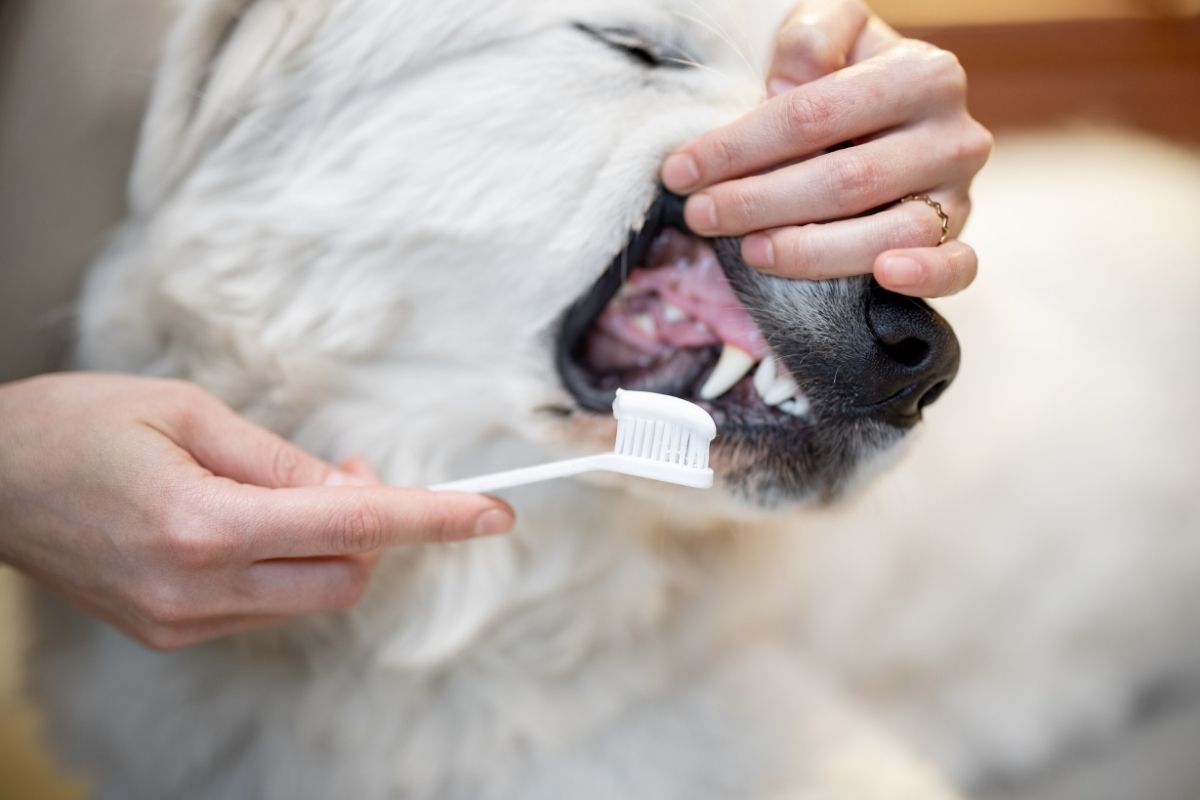
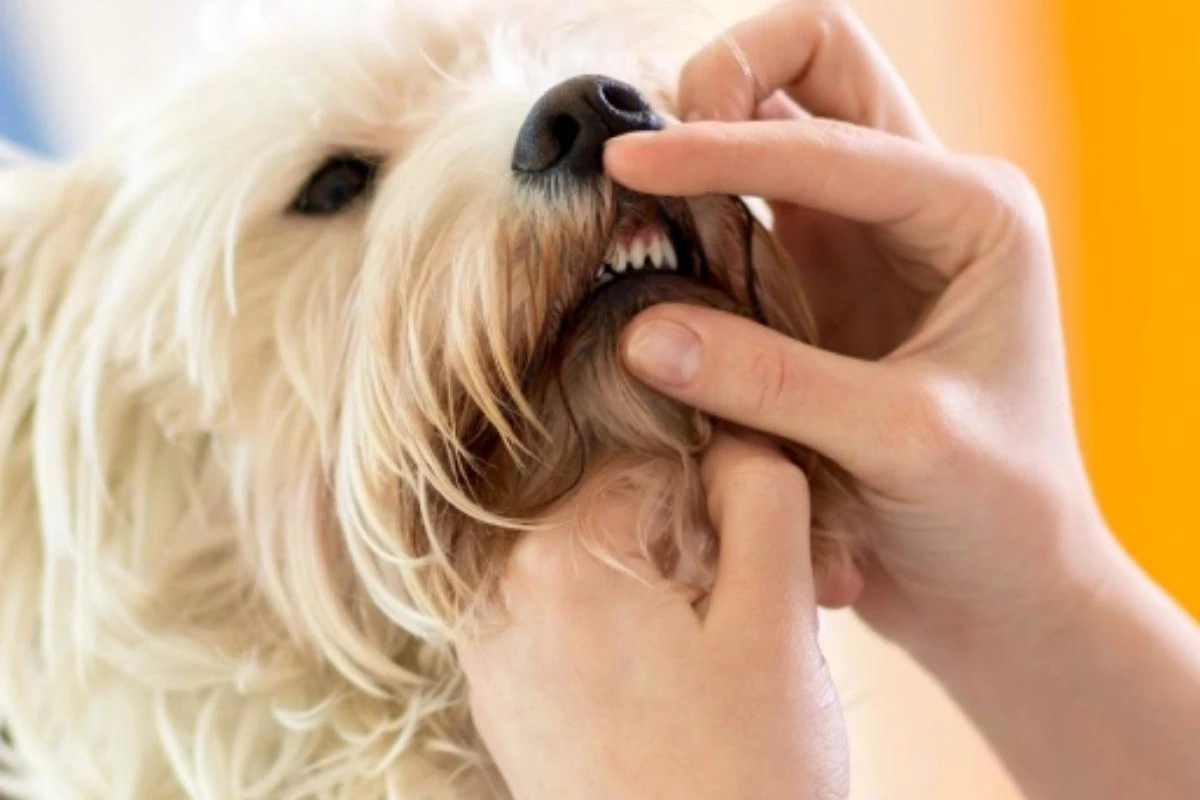
Caring for your dog’s oral health is an important part of keeping them happy and healthy. Regular brushing can help prevent plaque buildup, gum disease, and other dental problems that may affect your pet’s overall well-being. At Westerville Veterinary Clinic, we understand that many pet owners want to do the right thing when it comes to their dog’s dental care, but some may not realize that using human toothpaste on dogs can actually be harmful. Because dogs tend to swallow toothpaste instead of spitting it out, certain ingredients found in human dental products can pose health risks. Here’s a helpful guide explaining why human toothpaste is unsafe for dogs, the ingredients that can cause problems, and safer alternatives for pet owners in Westerville, OH.
Why Human Toothpaste on Dogs Is Unsafe
Human dental products are formulated specifically for people who rinse and spit after brushing. Dogs, on the other hand, swallow most of what goes into their mouths. When human toothpaste on dogs is used during brushing, the ingredients meant for humans can enter a dog’s digestive system.
Some of these ingredients may cause digestive upset, toxicity, or more serious health complications. Even small amounts consumed regularly can become harmful over time.
This is why veterinarians strongly recommend using products that are specifically made for pets.
Harmful Ingredients Found in Human Toothpaste
Several common ingredients in human toothpaste can pose risks to dogs.
1. Xylitol
One of the most dangerous ingredients is xylitol, a sugar substitute frequently used in sugar-free products. While it is safe for humans, it is extremely toxic to dogs.
If ingested, xylitol can cause:
- A rapid drop in blood sugar
- Vomiting or weakness
- Loss of coordination
- Seizures
- Liver failure in severe cases
Even small quantities can be life-threatening, which is why veterinarians warn strongly against using human toothpaste on dogs.
2. Fluoride
Fluoride helps prevent cavities in people, but dogs that swallow toothpaste containing fluoride may develop gastrointestinal irritation.
Possible symptoms include:
- Drooling
- Vomiting
- Stomach pain
- Diarrhea
Repeated exposure to fluoride can also lead to more serious toxicity.
3. Foaming Agents
Many toothpastes contain foaming agents such as sodium lauryl sulfate. These chemicals are not intended to be swallowed and may upset a dog’s stomach when ingested.
Signs Your Dog May Have Ingested Harmful Toothpaste
If your dog accidentally consumes human toothpaste, you may notice symptoms such as:
- Vomiting
- Lethargy
- Tremors
- Loss of appetite
- Unusual weakness
- Seizures in severe cases
If any of these signs appear, contact a veterinarian as soon as possible. Early treatment can help prevent more serious complications.
What to Use Instead of Human Toothpaste
Fortunately, there are safe and effective options available for brushing your dog’s teeth.
Dog-Specific Toothpaste
Toothpaste formulated for dogs is designed to be swallowed safely. These products often come in flavors dogs enjoy, such as poultry or peanut butter, making brushing easier.
Veterinary-Approved Dental Products
Many dental products for pets are approved by veterinary organizations and are designed to reduce plaque and tartar.
Dental Chews and Treats
Dental chews can help support oral hygiene by reducing plaque buildup between brushings.
Professional Veterinary Dental Care
Regular checkups and professional cleanings are an important part of maintaining your dog’s oral health. During routine exams, veterinarians can evaluate your dog’s teeth and recommend appropriate veterinary dental care if needed.
Tips for Brushing Your Dog’s Teeth Safely
Introducing tooth brushing into your dog’s routine doesn’t have to be difficult. Here are a few helpful tips:
- Start Slowly
Allow your dog to become familiar with the taste of pet-safe toothpaste before introducing a toothbrush. - Use a Dog Toothbrush
Specially designed brushes are gentler and better suited for your dog’s mouth. - Be Consistent
Aim to brush your dog’s teeth several times per week for the best results. - Reward Your Dog
Positive reinforcement, such as treats or praise, helps make the experience more enjoyable. - Schedule Regular Checkups
Routine visits help identify dental issues early and ensure your pet receives proper veterinary dental care.
Why Dental Health Matters for Dogs
Dental health affects much more than just your dog’s breath. Untreated dental disease can lead to:
- Gum infections
- Tooth loss
- Pain while eating
- Bacterial infections that may spread to other organs
By using the right products and maintaining a regular dental routine, pet owners can help prevent these issues and support their dog’s long-term health.
Supporting Local Pet Owners with Safe Dental Care
Many pet owners are surprised to learn how dangerous certain household products can be for animals. Understanding the risks of using human toothpaste on dogs is an important step in protecting your pet’s health.
Veterinary professionals can help guide you toward safe dental products, proper brushing techniques, and preventive care strategies. If you’re unsure about your dog’s dental routine or notice signs of dental discomfort, a professional evaluation can provide helpful answers.
Taking care of your dog’s teeth is an important part of their overall health, but using the right products makes all the difference. Human dental products may seem harmless, yet ingredients like xylitol and fluoride can pose serious risks when used for pets. By choosing dog-specific toothpaste and maintaining regular dental care, you can help keep your pet safe and comfortable.
If you have questions about safe dental products or your dog’s oral health, the team at Westerville Veterinary Clinic is here to help. Pet owners in Westerville, OH, can schedule an appointment to discuss the best dental care plan for their dogs and ensure their pets maintain healthy smiles for years to come.
FAQs:
Q1. Can I use human toothpaste on my dog if it doesn’t contain xylitol?
Ans. No. Even toothpaste without xylitol may contain fluoride or other ingredients that are unsafe for dogs to swallow.
Q2. What happens if my dog accidentally eats toothpaste?
Ans. Depending on the ingredients, symptoms may include vomiting, weakness, or digestive upset. Contact your veterinarian immediately if you notice unusual symptoms.
Q3. How often should I brush my dog’s teeth?
Ans. Most veterinarians recommend brushing your dog’s teeth several times per week to prevent plaque buildup.
Q4. Are dental chews a replacement for brushing?
Ans. Dental chews can help reduce plaque, but should not completely replace brushing or professional dental care.
Q5. When should my dog receive a professional dental cleaning?
Ans. Professional cleanings are usually recommended annually or as advised by your veterinarian based on your dog’s dental health.
Q6. What type of toothpaste is safe for dogs?
Ans. Toothpaste specifically formulated for pets is the safest option because it is designed to be swallowed without causing harm.