Late-Night Emergency Care When You Need It — Open Until 1 AM
Every pet parent loves their dog’s goofy grin, but what if that smile hides something more serious? Dental health is often overlooked, yet it’s one of the most important aspects of your dog’s overall well-being. Recognizing the signs your dog needs a dental checkup early can save your pet from pain, infection, and costly treatments down the line.
Let’s take a closer look at the most common warning signs that it’s time to schedule a visit to your veterinarian.
1. Persistent Bad Breath
If your dog’s breath makes you turn away, it’s not just “doggy odor.” Chronic bad breath could be a sign of plaque buildup, gum disease, or even hidden infections beneath the gumline. A professional dental checkup helps detect the cause before it progresses into a serious oral health issue.
2. Difficulty Chewing or Dropping Food
If your pup hesitates to eat, chews on one side, or drops food, it’s a clear red flag. Painful teeth, gum inflammation, or loose teeth might be to blame. Early detection ensures your dog can return to eating comfortably — and prevent tooth loss later.
3. Visible Tartar or Yellow-Brown Stains
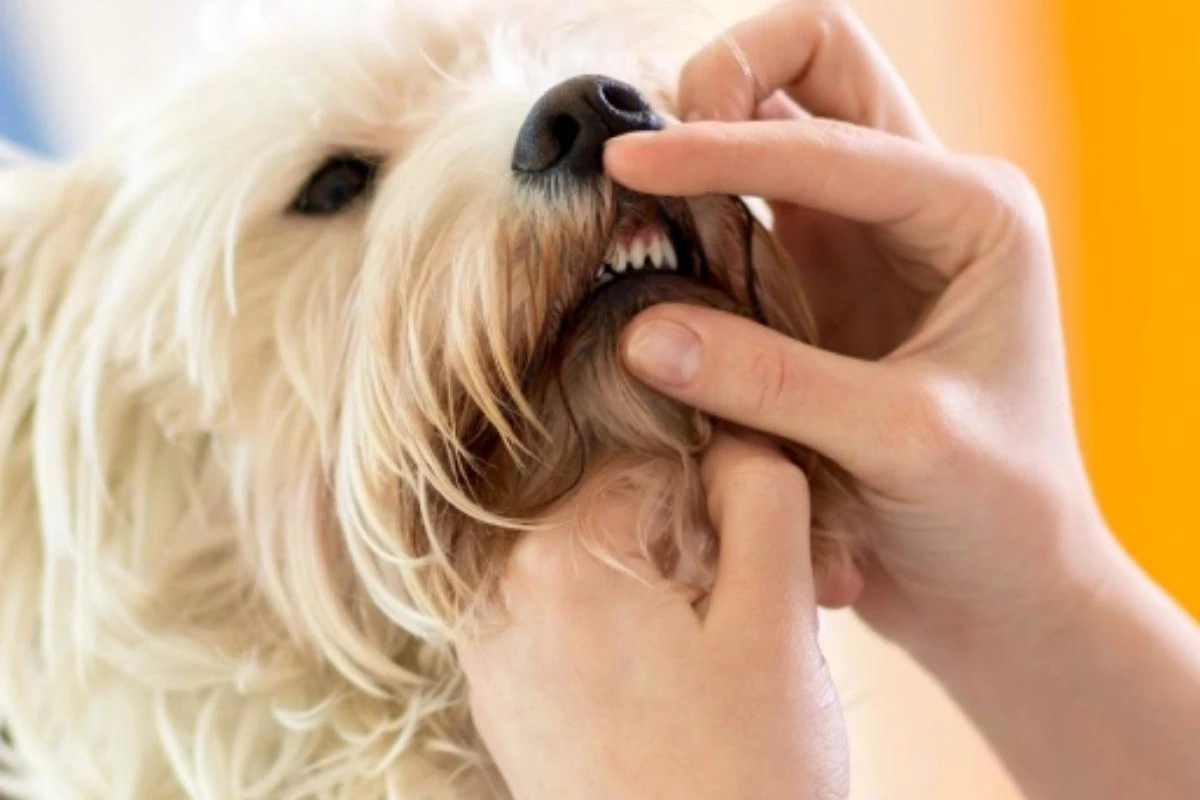
Check your dog’s teeth regularly. If you notice discolored buildup near the gums or along the tooth surface, bacteria and tartar could already be damaging the enamel. Regular professional cleanings can prevent decay and keep that smile sparkling.
4. Red, Swollen, or Bleeding Gums
Healthy gums should be light pink and firm. Swelling, redness, or bleeding (especially when chewing toys) may indicate gingivitis — an early stage of gum disease. Left untreated, it can lead to painful infections or even bone loss in the jaw.
5. Loose or Missing Teeth
Teeth that wiggle or fall out aren’t normal, no matter your dog’s age. This could signal advanced dental disease or injury. A timely dental exam helps preserve remaining teeth and prevent further damage.
6. Pawing at the Mouth or Facial Sensitivity
Does your dog paw at their mouth, rub their face on the floor, or resist being touched around the muzzle? These behaviors may be signs of oral discomfort or pain from infected roots or gum inflammation.
Why Early Dental Care Matters
Dental disease affects up to 80% of dogs by age three — but the good news is, it’s preventable. Routine cleanings and exams can help:
- Prevent oral pain and tooth loss
- Reduce bacteria that can spread to vital organs
- Improve your dog’s overall health and energy levels
How to Maintain Your Dog’s Oral Health at Home
While professional cleanings are vital, you can help at home, too.
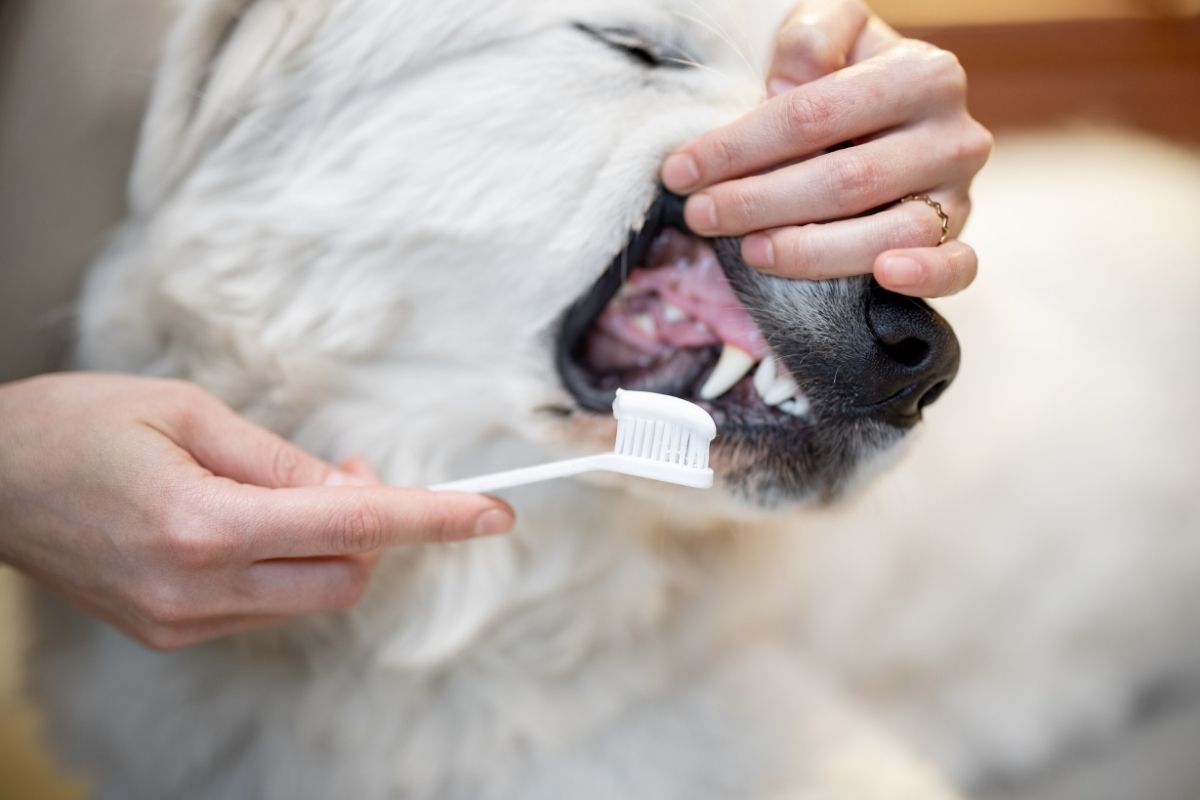
- Brush regularly with a pet-safe toothbrush and toothpaste.
- Offer dental chews designed to reduce plaque and tartar.
- Feed a balanced diet to promote strong teeth and gums.
- Schedule annual dental exams to catch issues early.
A few minutes of care each week can make a lifetime of difference for your pet’s health.
Don’t Wait for Dental Problems to Worsen
Your dog’s dental health plays a huge role in their comfort and longevity. By spotting the signs your dog needs a dental checkup early, you can protect them from unnecessary pain and keep their smile bright for years to come.
If you’re living in Westerville, OH, and searching for reliable dog dental services, Westerville Veterinary Clinic is your trusted local partner. Our compassionate team provides professional dental exams, cleanings, and care tailored to keep your pet’s smile healthy and pain-free.
FAQs
Q1. How often should my dog get a dental checkup?
Ans. Most dogs benefit from a professional dental exam at least once a year. Some breeds prone to dental disease may need visits every six months.
Q2. Can poor dental health affect my dog’s overall health?
Ans. Yes. Bacteria from the mouth can enter the bloodstream, potentially harming the heart, liver, and kidneys.
Q3. What’s the best age to start dental care for dogs?
Ans. Dental care should start as early as puppyhood to build healthy habits and prevent early tartar buildup.
Q4. Are dog dental cleanings done under anesthesia?
Ans. Yes. Anesthesia ensures a thorough cleaning below the gumline and keeps your dog safe and stress-free during the procedure.
Q5. How can I tell if my dog’s teeth hurt?
Ans. Look for changes in eating habits, drooling, or avoiding chew toys — all are signs of discomfort.
Q6. Can dental treats replace brushing?
Ans. Dental chews help, but they don’t replace regular brushing or professional cleanings. They work best as part of a complete dental care routine.