Late-Night Emergency Care When You Need It — Open Until 1 AM
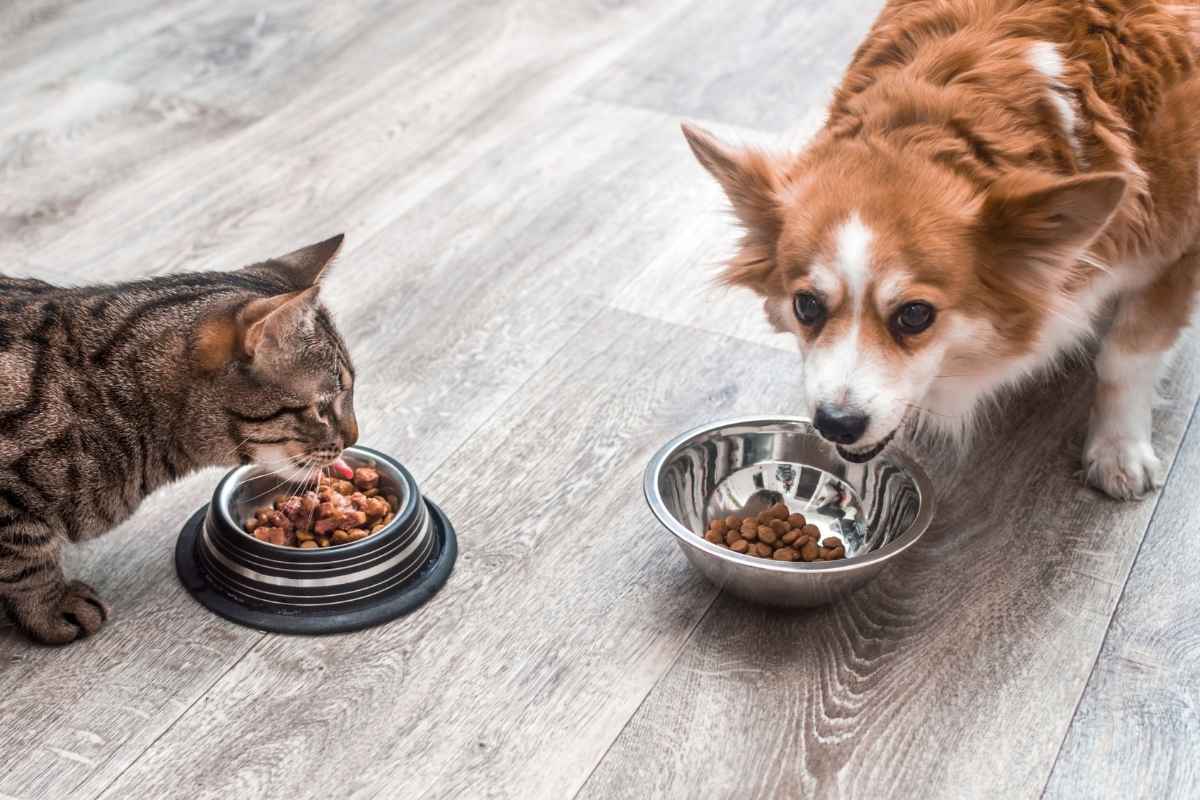
As pets grow older, their bodies undergo changes that affect metabolism, digestion, and overall energy levels. Meeting their nutritional needs becomes increasingly important to maintain health, vitality, and comfort. Proper diet can support joint function, weight management, and organ health, making nutrition a cornerstone of effective senior pet care. In this guide, we’ll share vet‑approved tips to help older dogs and cats thrive, with practical advice for pet owners in Westerville, Ohio.
Why Nutrition Matters More with Age
Just like humans, dogs and cats experience physiological changes as they get older. Metabolism slows down, dental health can decline, and certain organs become less efficient. Good nutrition is foundational to managing:
- Muscle atrophy
- Joint discomfort
- Weight fluctuation
- Digestive sensitivity
- Immune decline
Addressing these concerns with the right dietary strategy helps enhance quality of life and supports long‑term well‑being.
Understanding Caloric Needs
One of the most common issues with senior pets is improper calorie intake. As activity levels drop, the risk of weight gain increases, which can exacerbate joint and mobility issues. Conversely, some senior pets may lose weight due to dental problems or underlying diseases.
Tips for caloric balance:
- Monitor body condition monthly
- Adjust portions based on activity level
- Avoid free‑feeding, unless recommended by your veterinarian
Remember, determination of ideal calories is best done with professional oversight — especially if health conditions are present.
Protein: The Building Block for Aging Pets
High‑quality protein is essential for maintaining muscle mass and immune function in senior dogs and cats. However, not all protein sources are created equal. Older pets benefit from easily digestible proteins that won’t burden the kidneys.
Vet‑approved protein guidance:
- Choose foods with high biological value proteins (like chicken, turkey, or fish)
- Balance protein to support muscle without overtaxing internal organs
- Consider prescription diets if chronic illness (like kidney disease) is present
A dietitian or your veterinarian can help strike the right balance specific to your pet’s health profile.
Fats for Energy and Brain Health
Fats are vital for energy and nutrient absorption, especially omega‑3 and omega‑6 fatty acids, which help with cognition and inflammation. Senior pets often have stiffer joints and slower minds, and adding fatty acids can support:
- Joint flexibility
- Heart health
- Skin and coat condition
- Cognitive function
Products enriched with fish oil or flaxseed provide beneficial fats that help your pet stay active and comfortable.
Fiber for Digestive Comfort
Older dogs and cats can experience more frequent digestive issues, including constipation and irregular stools. Increasing dietary fiber helps support a balanced gut and regulated bowel movements.
Fiber sources for senior pets:
- Beet pulp
- Pumpkin
- Certain whole grains
Introduce fiber gradually to avoid digestive upset, and consult your vet before making significant dietary changes.
Hydration: Always a Priority
Dehydration is common in senior pets and can contribute to urinary tract issues and kidney strain. Make sure fresh water is always available, and consider wet food options to boost fluid intake if your pet isn’t drinking enough.
Supplements: Helpful, but Selective
Supplements like glucosamine, chondroitin, and antioxidants may assist in joint health and overall immunity. However, always speak with your veterinarian before adding supplements, as dosages vary based on size, species, and medical condition.
When to Consider Prescription Diets
If your senior dog or cat has health issues such as:
- Kidney disease
- Diabetes
- Heart disease
- Allergies
Your veterinarian may recommend a therapeutic diet designed for elders. These diets focus on supporting specific conditions while providing balanced nutrition.
At WestVets Veterinary Clinic, we often work with pet owners to select the best dietary approach for their aging companions, tailoring nutrition to each pet’s unique needs.
Signs Your Senior Pet May Need a Nutrition Change
Watch for:
- Sudden weight loss or gain
- Reduced appetite
- Dull coat or skin issues
- Frequent digestive problems
- Decline in activity or mobility
If you notice these changes, consult your veterinarian for a tailored nutrition plan.
Senior Pet Care Starts in the Kitchen
Good nutrition is one of the most impactful aspects of senior pet care. A proper diet can help delay common age‑related conditions and ensure your older dog or cat enjoys a happier, healthier life.
If you’re unsure what diet is right for your aging dog or cat, schedule your appointment with WestVets Veterinary Clinic today. Our team can assess your pet’s specific needs and recommend a customized nutrition plan to support their golden years.
FAQs:
Q1. What should I feed my senior dog or cat?
Ans. Feed a balanced diet formulated for older pets, focusing on high‑quality proteins and nutrients to support aging organs.
Q2. How do I know if my senior pet is overweight?
Ans. Check their body condition: ribs should be felt under slight fat cover, and the waist should be visible from above. Consult your vet for an accurate assessment.
Q3. Are grain‑free diets better for older pets?
Ans. Not always. Grain‑free isn’t inherently superior; choose diets based on your pet’s digestive tolerance and health, as advised by a veterinarian.
Q4. How often should I change my senior pet’s diet?
Ans. Diet changes should be evaluated annually or with health status changes. Work with your veterinarian to adjust as needed.
Q5. Can supplements replace a good diet?
Ans. Supplements can support health, but shouldn’t replace balanced nutrition. Consult your vet before adding supplements.