
Late-Night Emergency Care When You Need It — Open Until 1 AM
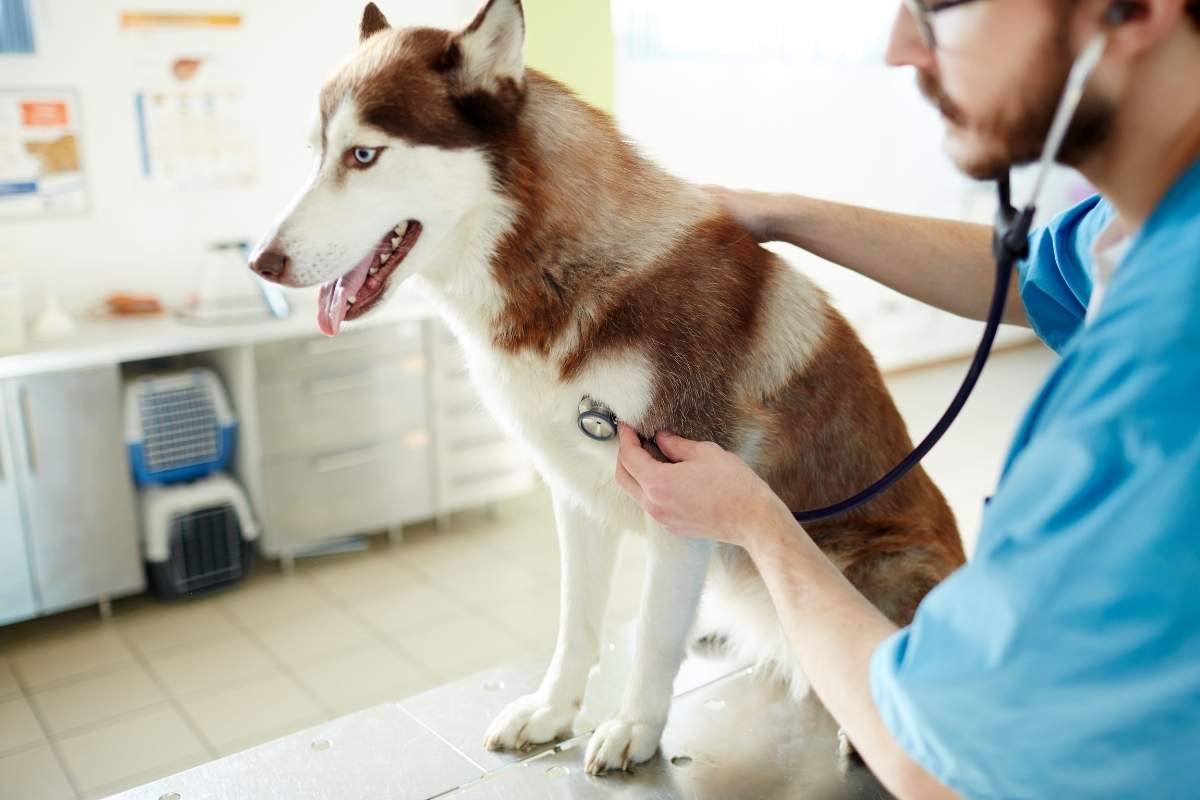
Your pet’s heart works nonstop every second of the day. It pumps blood through the chest, lungs, abdomen, and limbs to keep organs alive and functioning. However, when the heart begins to weaken, the body quickly feels the effects. Unfortunately, many owners overlook the early symptoms because they appear mild at first.
Heart Disease in Dogs and Cats often develops gradually. At the beginning, your dog or cat may simply sleep more or tire easily. Later, breathing problems, coughing, and swelling can appear. Therefore, recognizing early warning signs can literally save your pet’s life.
At WestVets Veterinary Clinic, we often diagnose heart conditions earlier when owners notice small changes at home. This guide helps pet families understand what to watch for and when to act — especially for pet owners in Westerville, OH.
What Is Heart Disease in Pets?
Heart disease refers to any condition that affects how the heart pumps blood. The heart contains four chambers that move oxygen-rich blood through arteries and veins to every body part. When the heart muscle, valves, or electrical system fails, circulation weakens.
There are two main categories:
1. Congenital Heart Disease
This condition is present at birth. Puppies and kittens may show symptoms early, including weakness and slow growth.
2. Acquired Heart Disease
This form develops with age. It is far more common and usually appears in middle-aged or senior pets.
For example:
- Dogs commonly develop valve disease
- Cats frequently develop hypertrophic cardiomyopathy (thickened heart muscle)
Early Warning Signs in the Lungs and Chest
Because the heart and lungs work together, breathing changes are often the first clue.
Watch for:
- Rapid breathing while resting
- Shortness of breath
- Labored breathing
- Panting without exercise
- Coughing at night
Fluid may accumulate in the chest or lungs when the heart weakens. As a result, oxygen circulation decreases. Your pet may sit upright or stretch the neck forward to breathe easier.
Additionally, cats rarely cough. Instead, they breathe faster or hide. Therefore, count resting breaths while your pet sleeps. More than 30 breaths per minute can signal a problem.
Mouth, Tongue, and Gums: Color Changes
Healthy gums appear bubble-gum pink. However, circulation problems quickly affect the mouth.
Look for:
- Pale gums
- Bluish tongue
- Gray gums
- Cold mouth tissue
These symptoms indicate reduced oxygen in the bloodstream. Consequently, this situation becomes an emergency. Seek medical care immediately if you notice color changes.
Abdomen: Swelling and Fluid Retention
The abdomen often enlarges during advanced Heart Disease in Dogs and Cats. This swelling happens when fluid leaks from blood vessels into the belly.
Symptoms include:
- Enlarged stomach
- Weight gain without eating more
- Discomfort when touched
- Reduced appetite
Many owners mistake this for obesity. However, fluid buildup (ascites) is a serious warning sign that circulation is failing.
Limbs and Muscles: Weakness and Collapse
Poor circulation affects muscles and limbs quickly.
You may notice:
- Weak hind legs
- Difficulty climbing stairs
- Sudden collapse
- Reluctance to walk
- Shaking after mild activity
Because muscles do not receive enough oxygen, pets tire faster. Older dogs often stop playing long before owners suspect illness.
Behavior Changes and Energy Levels
Behavior shifts frequently appear before physical symptoms.
Common changes:
- Sleeping more
- Avoiding activity
- Hiding
- Decreased appetite
- Depression
Cats especially mask pain. Therefore, even subtle personality changes matter. A playful cat that suddenly becomes quiet may be signaling cardiac trouble.
Risk Factors
Several factors increase risk:
- Aging
- Obesity
- Certain breeds (Cavalier King Charles Spaniels, Maine Coon cats)
- Poor dental health
- High blood pressure
Fortunately, routine exams and preventive pet care can identify problems before severe damage occurs.
Diagnosis
Veterinarians use several tests to confirm heart disease:
- Stethoscope exam for heart murmurs
- Chest X-rays
- Echocardiogram (heart ultrasound)
- Blood pressure measurement
- Blood tests
Early detection dramatically improves life expectancy.
Treatment and Management
Although heart disease usually cannot be cured, it can be managed successfully.
Treatment may include:
- Medications to strengthen heart contractions
- Diuretics to remove fluid
- Special diet
- Activity adjustments
Additionally, regular monitoring allows medication changes before symptoms worsen. Consistent preventive pet care greatly extends quality of life.
How to Monitor Your Pet at Home
You play a critical role in early detection.
Weekly Checklist:
- Count resting breathing rate
- Check gum color
- Monitor appetite
- Weigh monthly
- Watch activity tolerance
Furthermore, keep a symptom journal. Even small changes help your veterinarian detect progression early.
When Is It an Emergency?
Seek immediate care if you notice:
- Collapse
- Blue gums
- Severe breathing difficulty
- Sudden paralysis in cats
- Continuous coughing
These signs indicate heart failure or blood clot formation.
Recognizing the early symptoms of Heart Disease in Dogs and Cats can make the difference between a manageable illness and a life-threatening emergency. Breathing changes, gum color, abdominal swelling, and fatigue are important warning signs you should never ignore.
If you’re in Westerville, OH, and need a nearby veterinarian, consider booking an appointment with a reliable local pet care team so your companion can receive prompt attention and caring support.
FAQs
Q1. Can young pets develop heart disease?
Ans. Yes. Congenital defects may affect puppies and kittens, although older pets are more commonly diagnosed.
Q2. Is coughing always related to heart disease?
Ans. Not always. Respiratory infections can cause coughing, but persistent nighttime coughing strongly suggests cardiac problems.
Q3. Do cats show the same symptoms as dogs?
Ans. No. Cats usually show breathing changes and hiding behavior rather than coughing.
Q4. Can heart disease be prevented?
Ans. Some cases cannot be prevented, but early exams and a healthy weight significantly reduce risk.
Q5. How long can pets live with heart disease?
Ans. Many pets live several years with proper medication and monitoring.
Q6. Should exercise be restricted?
Ans. Mild activity is usually safe, but intense exercise should be limited. Your veterinarian will recommend an appropriate plan.