Late-Night Emergency Care When You Need It — Open Until 1 AM
Understanding Feline Kidney Disease: A Guide for Cat Owners
As a cat owner, it’s crucial to recognize the signs and understand the management of feline kidney disease, a common condition affecting our beloved felines. This comprehensive guide aims to arm pet owners with essential information to detect, diagnose, and manage kidney disease in cats.
What is Feline Kidney Disease?
Brief Overview
Feline kidney disease, or chronic kidney disease (CKD), is a progressive condition where a significant portion of kidney function is lost over time. The kidneys are vital for filtering waste products from the blood, balancing electrolytes, and managing blood pressure. As the disease progresses, these functions become compromised, leading to various health issues. It’s a common ailment in cats, especially as they age, with many cats showing signs of CKD by the time they reach their senior years.
Statistics and Relevance in Westerville, OH
In Ohio, a significant number of cats are diagnosed with CKD each year. Understanding this disease’s local impact helps emphasize the importance of early detection and proper care. Westerville veterinarians report that CKD is one of the top reasons for feline visits, highlighting the need for awareness among cat owners.
Early Signs of Kidney Disease in Cats
Subtle Beginnings
Early signs of kidney disease in cats can be subtle and easily overlooked. They include:
- Increased thirst and urination: Often due to the kidneys’ reduced ability to concentrate urine, leading to dehydration.
- Weight loss: Despite a normal or increased appetite, weight loss can occur due to muscle wastage.
- Lethargy: Cats may become less active as their body struggles to cope with the accumulation of toxins.
Importance of Early Detection
Detecting kidney disease early can significantly slow its progression, enhancing your cat’s quality of life and potentially extending its lifespan. Early intervention allows for dietary changes, medications, and lifestyle adjustments that can mitigate the disease’s impact.
Professional Diagnosis: The Role of Your Veterinarian
Diagnostic Tests Explained
To diagnose CKD, veterinarians may use:
- Blood tests: Checking for elevated waste products, such as creatinine and blood urea nitrogen (BUN), which indicate reduced kidney function.
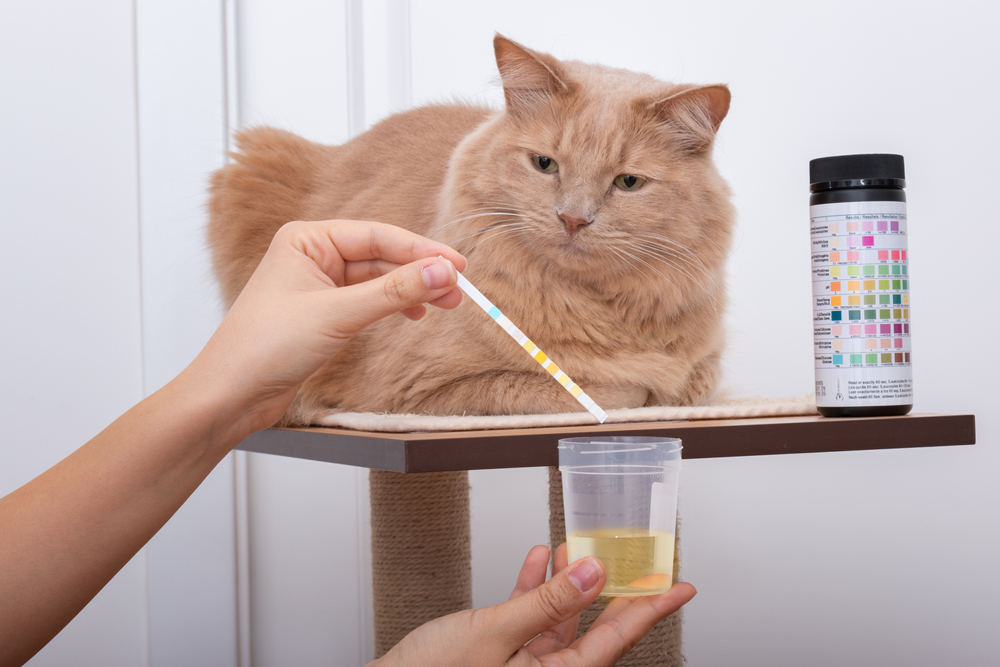
- Urine tests: Evaluating kidney function by checking for proteinuria and specific gravity to assess the kidney’s concentrating ability.
- Kidney ultrasounds: Assessing kidney structure and looking for abnormalities such as cysts or masses.
These tests provide a comprehensive picture of kidney health, allowing veterinarians to stage the disease and tailor an appropriate treatment plan.
Learn more about chronic kidney disease and its diagnosis.
If you notice any symptoms, it’s essential to schedule an appointment with your veterinarian. Early diagnosis can make a significant difference in managing the disease effectively.
Managing Feline Kidney Disease: Long-Term Care Strategies
Dietary Adjustments
A kidney-supportive diet is crucial in managing CKD. These diets are typically low in protein, phosphorus, and sodium but high in essential vitamins and omega-3 fatty acids to reduce kidney workload and inflammation.
Hydration is Key
Maintaining proper hydration is essential. Ensure fresh water is always available, and consider feeding wet food to increase fluid intake. Some cats may benefit from subcutaneous fluids administered at home to help maintain hydration levels.
Medications and Supplements
Treatments might include:
- Phosphate binders: To reduce phosphorus levels in the blood.
- Blood pressure medications: To control hypertension, which can further damage the kidneys.
- Supplements: Such as omega-3 fatty acids, known for their anti-inflammatory properties, which can support kidney health.
Regular Monitoring and Check-ups
Regular veterinary visits are crucial to monitor the disease progression and adjust treatment as necessary. Blood pressure checks, blood work, and urinalysis should be part of routine care for cats with CKD.
Living with Kidney Disease: Tips for Cat Owners
Home Care Tips
- Keep water bowls in multiple locations to encourage drinking.
- Ensure a comfortable resting area that is easily accessible.
- Maintain a calm and stress-free environment to help your cat cope with the disease.
Emotional Support for Your Cat and You
Managing a chronic disease can be emotionally challenging. Consider joining a support group or talking to a mental health professional for emotional support. Pet owners often find comfort in sharing experiences and strategies for coping with CKD.
Read about living with chronic kidney disease in pets for additional support.
Expert Care at Westerville Veterinary Clinic
Our clinic is equipped with advanced tools and compassionate professionals ready to support your cat’s health journey. Our team is dedicated to providing personalized care tailored to each cat’s unique needs.
Contact Westerville Veterinary Clinic for more information or to discuss your cat’s health.
Frequently Asked Questions About Feline Kidney Disease
- What is the life expectancy of a cat with CKD?
- Life expectancy can vary widely based on when the disease is detected and how it’s managed. Early diagnosis and effective management strategies can prolong life and improve quality of life.
- How can I make my cat more comfortable?
- Ensure they have a quiet space, easy access to clean water and food, and are free from stressors.
- What are the signs of pain or distress in cats with CKD?
- Signs can include decreased appetite, isolation, or changes in behavior, such as hiding or increased vocalization.
Recognizing the early signs of kidney disease and engaging with your veterinarian for regular check-ups are key to managing your cat’s health effectively. Being proactive in your cat’s health care can make a significant difference in their quality of life. Vigilance, a supportive environment, and regular veterinary care are essential components of managing CKD.
For more information or to book a consultation, visit Westerville Veterinary Clinic’s Homepage.