Late-Night Emergency Care When You Need It — Open Until 1 AM
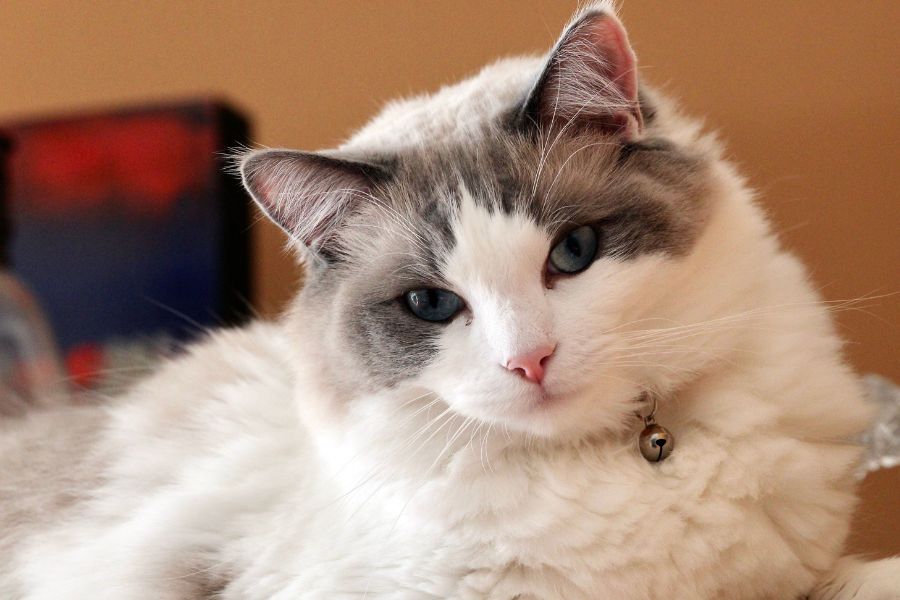
If you want a cat that acts more like a gentle companion than an independent roommate, the Ragamuffin may be the breed you’ve been looking for. Known for their affectionate nature, plush coats, and calm temperament, Ragamuffins have become a favorite among families, seniors, and first-time cat owners.
This breed is often described as sweet, patient, and people-focused. They enjoy human company and often follow their owners from room to room. While their soft coat and striking eyes may attract attention first, their personality is what wins people over.
This guide covers everything you need to know about the Ragamuffin, from temperament and appearance to grooming, health, and long-term care, so you can decide if this breed is the right fit for your home.
What Is a Ragamuffin Cat?
The Ragamuffin is a large, long-haired cat breed known for its friendly personality and relaxed attitude. Though often confused with the Ragdoll, the Ragamuffin is a distinct breed with its own history and traits.
Ragamuffins were developed in the United States and gained recognition for their sturdy build, broad chest, sweet expression, and unusually affectionate nature. Many owners describe them as “puppy-like” because they often greet people at the door, enjoy being held, and may even learn simple tricks.
These cats are indoor companions that thrive when included in family life.
Ragamuffin Personality: What Are They Like?
1. Friendly and Social
The Ragamuffin is known for being exceptionally social. These cats usually enjoy people, including strangers, and often adapt well to visitors.
They tend to seek out attention rather than avoid it.
2. Gentle With Children and Pets
Many cat breeds tolerate children. The Ragamuffin often actively enjoys family interaction.
Their patient temperament can make them a good fit in homes with:
- Children
- Other cats
- Cat-friendly dogs
- Multi-pet households
As with any pet, introductions should be gradual and supervised.
3. Affectionate and Loyal
Ragamuffins often bond closely with their people. Some prefer sitting beside you, while others may curl up in your lap for hours.
They often enjoy:
- Being carried
- Cuddling
- Following owners around the house
- Sleeping near family members
This breed usually does not enjoy being left alone for long periods.
Physical Traits of the Ragamuffin
1. Size and Build
Ragamuffins are large, muscular cats.
Typical weight ranges:
- Females: 8–15 pounds
- Males: 12–20 pounds
Some may grow larger.
They mature slowly and may not reach full size until about four years of age.
2. Coat and Colors
One standout feature of the Ragamuffin is its soft, rabbit-like coat.
The coat is:
- Medium to long-haired
- Dense and plush
- Silky rather than woolly
- Less prone to matting than some long-haired breeds
Ragamuffins come in many colors and patterns, including:
- Solid
- Tabby
- Tortoiseshell
- Bi-color
- Colorpoint
- Mink
3. Eyes
Large walnut-shaped eyes give the Ragamuffin its signature sweet expression.
Eye colors may include:
- Blue
- Green
- Gold
- Copper
- Odd-eyed combinations
Are Ragamuffins Good Indoor Cats?
Yes, the Ragamuffin is generally considered an excellent indoor cat.
Their trusting personality can make them vulnerable outdoors. They often lack the caution or territorial behavior seen in more independent breeds.
Keeping a Ragamuffin indoors helps protect them from:
- Traffic
- Predators
- Disease exposure
- Injury
- Theft
Indoor enrichment is important for their physical and emotional health.
How to Care for a Ragamuffin
1. Grooming Needs
Despite their luxurious coat, Ragamuffins are often easier to maintain than people expect.
2. Brushing
Brush your Ragamuffin 2–3 times per week to help:
- Remove loose hair
- Reduce tangles
- Prevent mats
- Limit hairballs
During shedding seasons, more frequent brushing may help.
3. Nail Trimming
Trim nails every few weeks.
Provide scratching posts to support healthy claw maintenance.
4. Dental Care
Dental disease is common in cats.
Routine tooth brushing and veterinary dental care can help reduce problems.
For parasite prevention, routine wellness visits matter. If you need guidance on veterinary care plans, visit our website to learn more about maintaining your cat’s long-term health.
Feeding and Nutrition
Ragamuffins can be prone to weight gain because they enjoy food and may be less active than highly energetic breeds.
Feed a balanced diet appropriate for:
- Age
- Weight
- Activity level
- Medical needs
Focus on high-quality protein and portion control.
Avoid free-feeding unless recommended by your veterinarian.
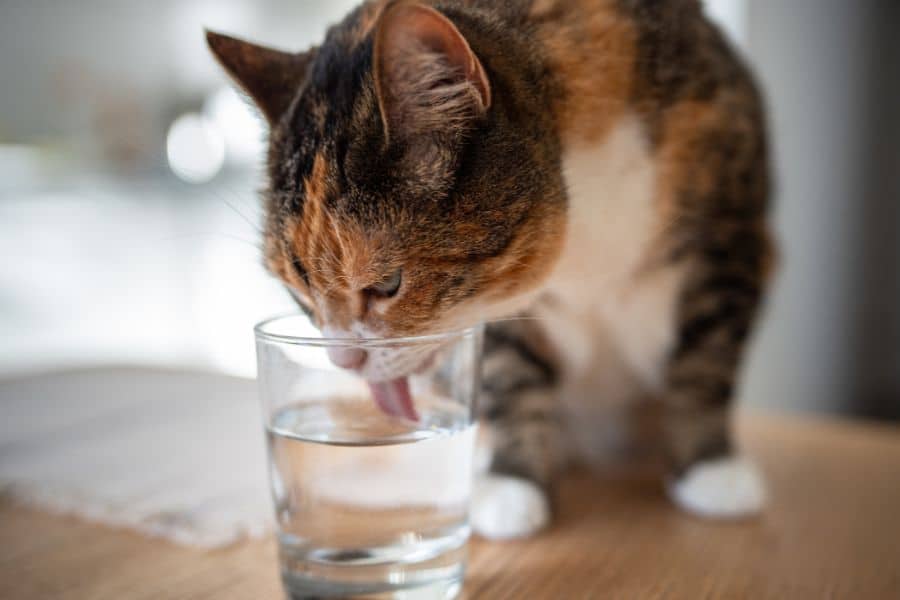
Fresh Water Matters
Some cats drink poorly.
Encourage hydration with:
- Water fountains
- Multiple water bowls
- Wet food, if appropriate
Exercise and Mental Stimulation
The Ragamuffin may be calm, but they still need exercise.
Try:
- Wand toys
- Puzzle feeders
- Cat trees
- Window perches
- Interactive play sessions
Many enjoy simple games of fetch.
Daily engagement helps prevent boredom and obesity.
Common Health Concerns in Ragamuffins
The Ragamuffin is often considered a generally healthy breed, but no breed is free of risk.
Potential concerns include:
1. Hypertrophic Cardiomyopathy (HCM)
HCM is a heart condition seen in some cats.
Screening and routine veterinary exams help monitor heart health.
2. Obesity
Weight gain can lead to:
- Diabetes
- Arthritis
- Reduced mobility
- Shorter lifespan
Healthy feeding habits matter.
3. Periodontal Disease
Dental issues can affect more than the mouth. They may impact overall health.
Preventive care is important.
4. Urinary Issues
Like many cats, some may develop urinary tract problems.
Watch for:
- Straining in the litter box
- Frequent urination
- Blood in urine
- Changes in litter box habits
Seek veterinary care promptly if these signs appear.
How Long Do Ragamuffins Live?
A healthy Ragamuffin often lives 12 to 16 years.
Some live longer with:
- Proper nutrition
- Preventive veterinary care
- Indoor living
- Healthy weight management
- Regular dental care
Good daily care has a direct impact on lifespan.
Is a Ragamuffin the Right Cat for You?
A Ragamuffin may be a great match if you want a cat that is:
- Affectionate
- Gentle
- Family-oriented
- Low-drama
- Adaptable
- Comfortable indoors
This breed may not be ideal if you want a highly independent pet or if your household is empty most of the day.
They thrive on companionship.
Ragamuffin vs Ragdoll: What’s the Difference?
People often compare these breeds.
1. Ragamuffin
- More accepted color variety
- Rounded body shape
- Very plush coat
- Broad walnut-shaped eyes
- Often extremely social
2. Ragdoll
- Traditional pointed coloring
- Blue eyes only
- Slightly different breed standards
- Known for floppy, relaxed handling response
Both are affectionate breeds, but they are not the same cat.
Preparing Your Home for a Ragamuffin
Before bringing one home, have these basics ready:
Essentials Checklist
- Food and water bowls
- Litter boxes
- Quality cat food
- Scratching posts
- Cat bed
- Toys
- Grooming tools
- Carrier
- Veterinary appointment scheduled
Creating a calm environment helps with adjustment.
What Does a Ragamuffin Cost?
Costs vary based on breeder, lineage, and location.
Potential expenses include:
1. Initial Costs
- Adoption or breeder fees
- Supplies
- First veterinary exam
- Vaccinations
- Spay or neuter, if not already done
2. Ongoing Costs
- Food
- Litter
- Routine veterinary care
- Preventive medications
- Grooming supplies
- Emergency medical expenses
Long-term planning matters before adding any pet.
Conclusion
The Ragamuffin stands out for its affectionate nature, calm personality, and striking appearance. This breed often fits well with families, seniors, and anyone looking for a devoted indoor companion.
Their soft coat may look high maintenance, but their care needs are manageable with regular grooming, balanced nutrition, enrichment, and preventive health care.
The biggest question is not whether the Ragamuffin is a wonderful cat. It is whether this social, people-loving breed matches your lifestyle. If you want a cat that thrives on companionship and offers years of loyal affection, the Ragamuffin may be an excellent choice.
Thinking about adding a Ragamuffin to your family? Talk with a trusted veterinarian or reputable breeder, ask questions, and make an informed decision based on your household’s needs.
Frequently Asked Questions(FAQs):
1. Are Ragamuffin cats good for first-time owners?
A: Yes. Ragamuffins are often a good choice for first-time cat owners because they are friendly, adaptable, and generally easygoing.
2. Do Ragamuffin cats shed a lot?
A: They do shed, but regular brushing helps manage loose hair and reduces matting.
3. Are Ragamuffins hypoallergenic?
A: No cat is truly hypoallergenic. Ragamuffins still produce allergens that may affect sensitive individuals.
4. Can Ragamuffin cats be left alone during the day?
A: They can tolerate some alone time, but they usually prefer companionship and may not do well with long periods of isolation.
5. Do Ragamuffin cats get along with dogs?
A: Many do well with cat-friendly dogs when introductions are handled properly.
6. How often should a Ragamuffin see a veterinarian?
A: Most healthy adult cats benefit from at least annual wellness exams, though kittens, seniors, or cats with health concerns may need more frequent visits.