
Late-Night Emergency Care When You Need It — Open Until 1 AM
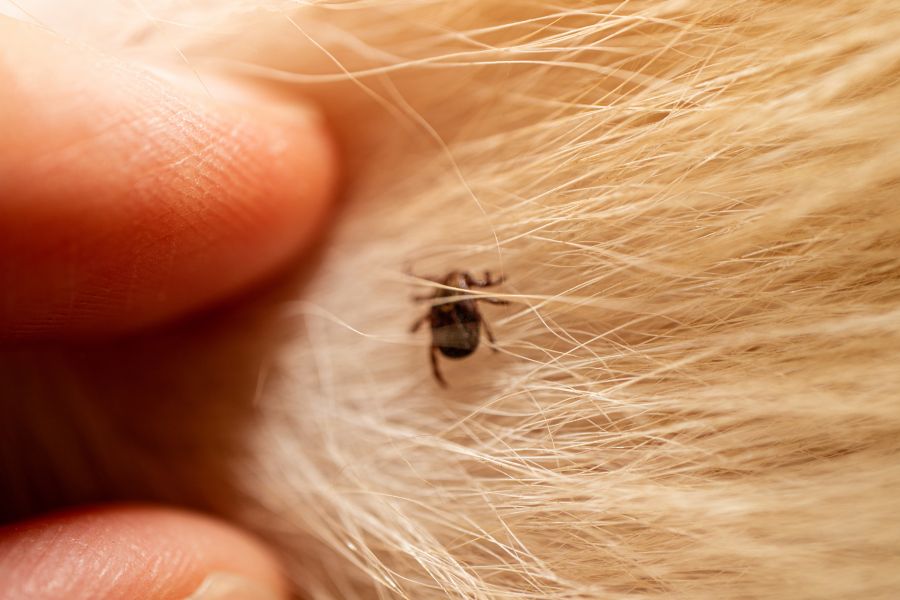
Fleas are more than just a nuisance. They cause itching, skin irritation, and can spread disease. If you’ve spotted tiny black specks in your dog’s coat or noticed constant scratching, it’s time to act quickly. Knowing what to do if your dog has fleas can make a big difference in stopping the problem before it spreads through your home.
This guide walks you through simple, clear steps you can take right away, along with longer-term solutions to keep your dog comfortable and your space flea-free.
How to Tell If Your Dog Has Fleas
Before starting treatment, confirm the problem. Fleas are small, fast-moving parasites, but they leave clear signs behind.
Common signs to watch for:
- Constant scratching, biting, or licking
- Red or irritated skin
- Hair loss in patches
- Tiny black dots (flea dirt) on skin or bedding
- Visible fleas moving through fur
A quick way to check is to run a flea comb through your dog’s coat, especially around the neck and tail. If you see black specks that turn reddish when wet, that’s flea dirt.
What to Do If Your Dog Has Fleas Immediately
Acting fast is the key to control. Fleas reproduce quickly, so early action prevents a bigger infestation.
1. Give Your Dog a Flea Bath
Start with a bath using a gentle flea shampoo. This helps kill adult fleas on contact.
- Use lukewarm water
- Work the shampoo deep into the coat
- Let it sit for a few minutes before rinsing
Avoid using human shampoos or dish soap too often, as they can dry out your dog’s skin.
2. Use a Flea Comb
After the bath, use a fine-toothed flea comb.
- Focus on the neck, behind the ears, and the tail base
- Dip the comb in soapy water after each pass
- Remove any visible fleas and debris
This step helps remove remaining fleas and eggs.
3. Apply a Fast-Acting Flea Treatment
Topical treatments or oral medications work quickly to kill fleas.
- Topical treatments are applied to the skin
- Oral medications start working within hours
Choose a product recommended for your dog’s size and age. Avoid mixing treatments without guidance.
4. Clean Your Dog’s Environment
Fleas don’t just live on your dog. They hide in carpets, bedding, and furniture.
- Wash your dog’s bedding in hot water
- Vacuum carpets and upholstery thoroughly
- Empty vacuum bags immediately
This step is just as important as treating your dog.
Why Quick Action Matters
Fleas lay eggs that fall off your dog into your home. These eggs hatch and restart the cycle.
If you delay treatment:
- Fleas multiply fast
- Your dog’s discomfort increases
- Your home becomes harder to clean
Understanding what to do if your dog has fleas helps break this cycle early.
Long-Term Flea Control for Dogs
Once the immediate problem is handled, focus on prevention.
1. Monthly Preventatives
Regular flea preventatives protect your dog year-round.
- Oral tablets
- Spot-on treatments
- Flea collars
Stick to a consistent schedule to avoid reinfestation.
2. Regular Grooming
Routine brushing helps you spot fleas early.
- Use a flea comb weekly
- Check for skin changes
- Keep your dog clean and well-groomed
3. Yard Maintenance
Fleas can live outside, too.
- Keep the grass trimmed
- Remove debris and leaves
- Avoid letting your dog roam in untreated areas
Natural vs. Medical Flea Treatments
You may wonder whether to use natural remedies or medical products.
1. Natural Options
- Flea combing
- Herbal sprays
- Apple cider vinegar rinses
These can help in mild cases but may not eliminate infestations.
2. Medical Treatments
- Vet-approved topical treatments
- Oral medications
- Flea shampoos
These are more effective for active infestations and prevention.
A balanced approach works best. Use safe products and avoid experimenting with unverified remedies.
Common Mistakes to Avoid
When dealing with fleas, some actions can make things worse.
Avoid these errors:
- Skipping home cleaning
- Using dog products on cats or vice versa
- Overusing treatments
- Ignoring early signs
Consistency and proper use of products matter more than trying multiple solutions at once.
When to Seek Professional Help
Sometimes, fleas become hard to control at home.
Consider professional help if:
- Fleas keep returning
- Your dog has severe skin irritation
- You notice signs of infection
A veterinarian can recommend safe and effective treatment plans tailored to your dog.
If you need guidance or reliable parasite prevention options, you can visit our website to learn more about protecting your pet year-round.
Protecting Your Home from Fleas
Your home plays a major role in flea control.
Cleaning checklist:
- Vacuum daily during infestations
- Wash all pet and household bedding
- Treat carpets with flea-safe products if needed
- Keep floors and furniture clean
Consistency is what removes fleas at every stage of their life cycle.
Can Fleas Affect Humans?
Yes, fleas can bite humans. While they prefer animals, they won’t hesitate to bite people if needed.
- Flea bites appear as small red bumps
- They often occur around the ankles and legs
- They can cause itching and irritation
Treating your dog and home quickly reduces this risk.
How Long Does It Take to Get Rid of Fleas?
Flea control is not instant. Even after treatment:
- Adult fleas die within hours to days
- Eggs and larvae may take weeks to clear
- Full control may take several weeks
Stay consistent with cleaning and treatments.
Building a Flea-Free Routine
Preventing fleas is easier than treating them.
Simple routine:
- Monthly flea prevention
- Weekly grooming checks
- Clean living space
- Monitor outdoor exposure
Knowing what to do if your dog has fleas and acting early keeps your dog healthy and comfortable.
Final Thoughts: Take Control Early
Fleas are a common problem, but they don’t have to take over your home. The moment you notice signs, take action. Focus on both your dog and the environment. Stay consistent with treatment and prevention.
Understanding what to do if your dog has fleas gives you control and keeps your pet comfortable. A few simple steps today can save you from a bigger problem later.
If you’re unsure where to start or want a clear prevention plan, reach out to a trusted veterinary provider. Taking action now protects your dog’s health and your peace of mind.
FAQs About Dog Fleas Treatment
1. Do I need to treat my home if my dog has fleas?
A: Yes. Fleas lay eggs in your home. Cleaning and treating your environment is necessary to stop the cycle.
2. What kills fleas on dogs immediately?
A: Flea shampoos and fast-acting oral medications can kill fleas quickly, often within hours.
3. What to do immediately if my dog has fleas?
A: Give a flea bath, use a flea comb, apply a treatment, and clean your home thoroughly.
4. Do I need to wash my bedding if my dog has fleas?
A: Yes. Wash all bedding in hot water to remove fleas, eggs, and larvae.
5. What kills 100% of fleas in the house?
A: No single method works alone. A combination of vacuuming, washing, and flea treatments is the most effective approach.
6. Can I still cuddle my dog if he has fleas?
A: You can, but it’s best to treat the fleas first to avoid bites and spreading them in your home.