
Late-Night Emergency Care When You Need It — Open Until 1 AM
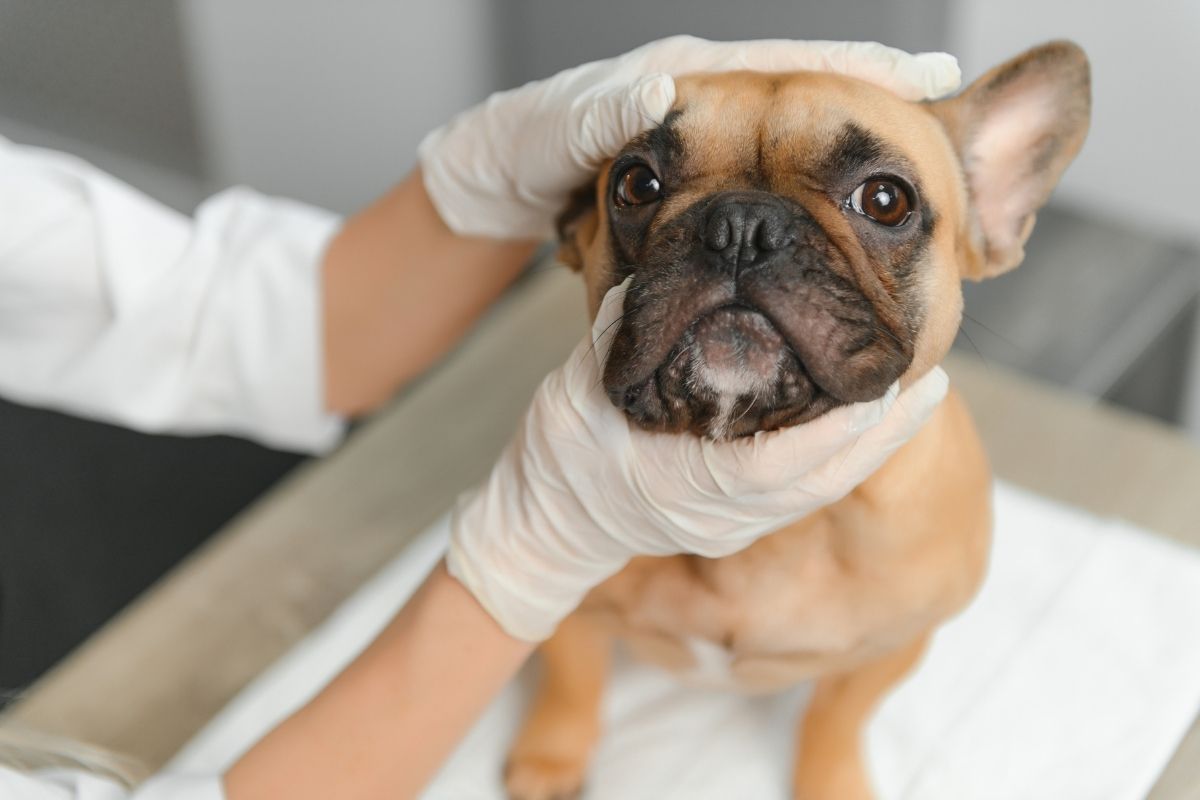
Pets cannot tell you when they feel sick. Instead, they show discomfort through subtle physical and behavioral changes. Therefore, learning the early signs of infection in pets helps you act quickly and prevent serious complications. Early detection often means easier treatment, less pain, and lower medical costs.
Many infections begin quietly. At first, you might notice mild redness in the eyes, small sores on the skin, or a change in appetite. However, these minor changes often signal something more significant. Recognizing these warning signs gives your pet the best chance at a fast recovery.
At WestVets Veterinary Clinic, we frequently see infections that owners almost missed because the symptoms looked harmless. This guide is designed especially for pet families who want to protect their companions and respond promptly to health concerns in Westerville, OH.
1. Eyes: Redness, Discharge, and Squinting
Your pet’s eyes reveal health problems earlier than most other body parts. Because eyes are sensitive, infection signs appear quickly.
Watch for:
- Red or bloodshot eyes
- Yellow or green discharge
- Excessive tearing
- Swelling around the eyelids
- Frequent blinking or squinting
For example, conjunctivitis, corneal ulcers, and viral infections often begin with watery eyes. Additionally, pets may paw at their face due to irritation. If untreated, the infection may worsen and affect vision.
Therefore, never ignore eye discharge. Clean the area gently, and monitor for 24 hours. If symptoms continue, seek professional care.
2. Ears: Odor, Scratching, and Head Shaking
Ear infections are among the most common conditions veterinarians treat. Moreover, they can become extremely painful.
Common ear infection symptoms:
- Persistent scratching
- Head shaking
- Dark wax buildup
- Strong odor
- Red inner ear
- Sensitivity when touched
Dogs with floppy ears are especially prone because moisture stays trapped. Meanwhile, cats often hide symptoms until discomfort becomes severe. If your pet tilts their head or cries when you touch the ear, an infection is likely present.
Early treatment prevents hearing loss and deeper inner-ear problems.
3. Nose and Respiratory System: Sneezing and Nasal Discharge
Respiratory infections spread quickly, particularly in social pets.
Pay attention to:
- Continuous sneezing
- Runny nose
- Thick mucus
- Coughing
- Wheezing
- Labored breathing
In many cases, owners assume seasonal allergies. However, bacterial and viral infections often look similar at first. Because respiratory infections can worsen rapidly, immediate evaluation is important if symptoms persist for more than two days.
4. Mouth and Gums: Bad Breath and Drooling
The mouth often reveals infection earlier than the stomach. Dental disease is not just about teeth—it can affect the heart, liver, and kidneys.
Warning signs include:
- Bad breath
- Swollen gums
- Bleeding gums
- Excess drooling
- Difficulty chewing
- Dropping food
Additionally, pets may suddenly refuse hard kibble. Gum infections allow bacteria to enter the bloodstream. Consequently, untreated oral infections can lead to serious systemic illness.
5. Skin and Coat: Sores, Hot Spots, and Hair Loss
Skin infections are easy to spot if you regularly check your pet.
Look for:
- Red patches
- Warm, moist areas
- Scabs
- Pus
- Hair thinning
- Excessive licking
Hot spots can appear overnight. Furthermore, parasites like fleas often trigger secondary bacterial infections. If your pet constantly licks one area, an infection is already likely developing beneath the fur.
Early treatment prevents deeper tissue involvement and chronic itching.
6. Paws and Nails: Limping and Swelling
Pets walk everywhere, so their paws frequently come into contact with bacteria. Consequently, paw infections are common yet overlooked.
Signs include:
- Swollen toes
- Red paw pads
- Limping
- Excess licking
- Cracked nails
- Pus between toes
Infections often start from small cuts, splinters, or allergens. Because pets constantly lick the area, bacteria spread quickly. Therefore, cleaning wounds immediately is essential.
7. Abdomen and Digestive System: Vomiting and Diarrhea
Digestive infections affect both dogs and cats. Although occasional stomach upset happens, persistent symptoms require attention.
Monitor for:
- Vomiting
- Diarrhea
- Loss of appetite
- Abdominal pain
- Fever
- Dehydration
Moreover, bacterial infections, parasites, and contaminated food can trigger gastrointestinal illness. Puppies and kittens are especially vulnerable because their immune systems are still developing.
8. Behavior and Energy: Lethargy and Mood Changes
Behavior changes are often the first clue that something is wrong.
You may notice:
- Sleeping more than usual
- Hiding
- Aggression
- Loss of interest in play
- Reduced appetite
Because infection causes inflammation and fever, pets conserve energy. Consequently, sudden lethargy should never be ignored.
When Should You Contact a Professional?
If symptoms last longer than 24–48 hours, worsen quickly, or appear alongside fever, immediate medical care is necessary. Early treatment dramatically improves outcomes.
Infections rarely resolve on their own. Instead, they spread internally. Prompt care at a trusted veterinary clinic prevents hospitalization and protects long-term health.
Prevention Tips
Fortunately, you can reduce infection risk by following simple habits:
- Maintain regular vaccinations
- Clean ears weekly
- Brush teeth frequently
- Groom the coat regularly
- Inspect paws after walks
- Provide fresh water daily
- Schedule wellness exams
Additionally, proper nutrition strengthens the immune system, helping pets resist bacteria and viruses.
Recognizing the early signs of infection in pets allows you to act before conditions become dangerous. From eyes and ears to paws and abdomen, your pet’s body constantly communicates health changes. Therefore, daily observation is one of the most powerful tools you have as a pet owner.
If you’re located in Westerville, OH, and searching for a dependable veterinarian close to home, consider booking an appointment with the experienced team at WestVets Veterinary Clinic to ensure your pet gets timely, compassionate care.
FAQs
Q1. What is the most common infection in pets?
Ans. Ear infections are the most common, especially in dogs. Moisture and trapped debris allow bacteria and yeast to grow quickly.
Q2. Can pets recover from infections without treatment?
Ans. Sometimes minor irritations improve, but true infections rarely heal alone. They usually worsen without medication.
Q3. Do indoor pets get infections?
Ans. Yes. Indoor pets can still develop dental disease, skin infections, and respiratory illness.
Q4. Is bad breath always a sign of infection?
Ans. Often, yes. Persistent bad breath typically indicates gum disease or oral bacterial infection.
Q5. How quickly can infections become serious?
Ans. Some infections worsen within 24 hours, especially respiratory or gastrointestinal illnesses.
Q6. Should I isolate a sick pet from other animals?
Ans. Yes. Many infections are contagious, so temporary separation helps protect other pets.