Late-Night Emergency Care When You Need It — Open Until 1 AM
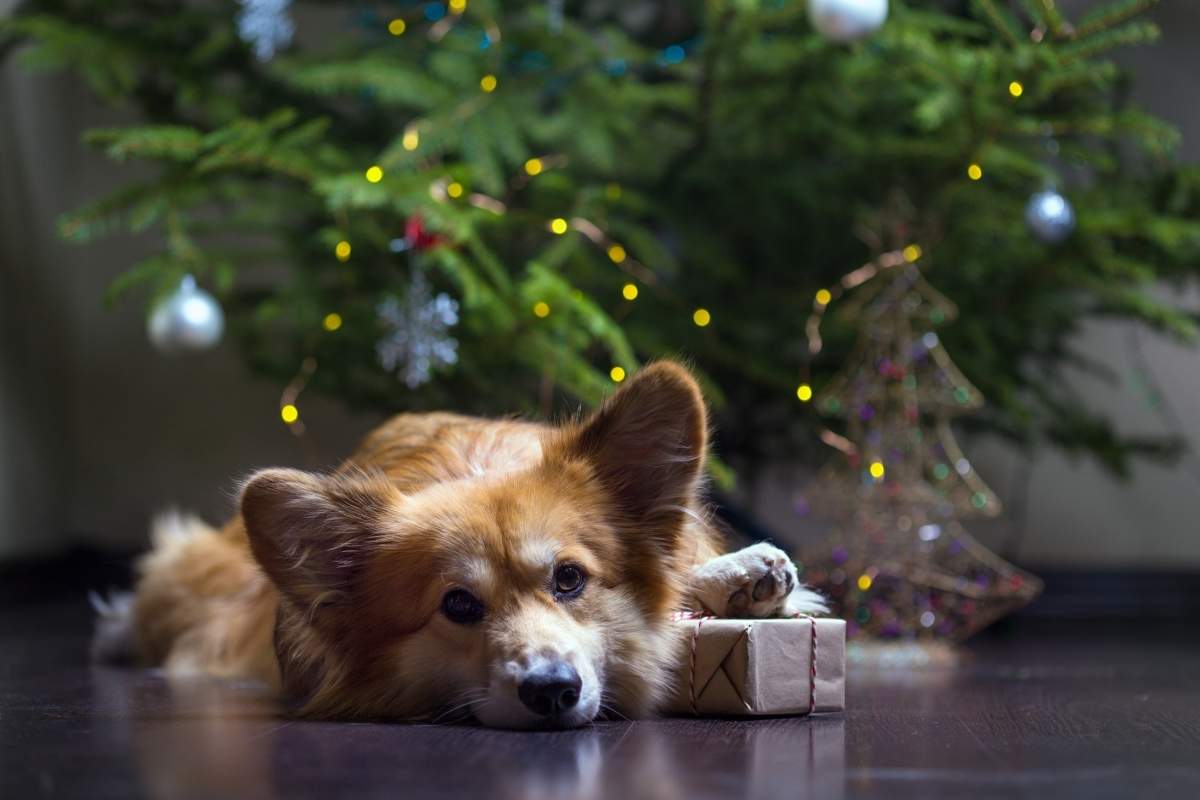
Westerville, Ohio, pet owners love decorating their homes for the holidays, but festive décor can sometimes pose hidden risks to curious pets. Dogs and cats naturally explore with their noses and mouths, which makes Christmas trees especially tempting. From pine needles on the floor to shimmering ornaments, it’s easy for accidents to happen. That’s why understanding whether a Christmas tree is toxic to dogs and cats is more than a seasonal question—it’s a matter of your pet’s safety and comfort. In this guide, you’ll learn what parts of a Christmas tree can be harmful, how to reduce risks, and when it’s time to call your veterinarian.
Understanding Christmas Tree Toxicity in Pets
Christmas trees themselves are not usually fatal to pets, but they can cause several health issues. Both real and artificial trees come with potential hazards that pet owners should understand before decorating.
Are Real Christmas Trees Toxic to Dogs and Cats?
Real pine, fir, and spruce trees are mildly toxic. The oils and sap in the needles can irritate your pet’s mouth and stomach. Additionally, fallen needles are sharp and may cause internal irritation if swallowed.
Are Artificial Christmas Trees Safer?
Artificial trees don’t contain plant oils, but they still pose risks. Chewing on plastic needles can lead to choking or intestinal blockages, especially in puppies and curious cats.
Why Christmas Trees Can Be Dangerous for Pets
The danger usually comes from what surrounds the tree rather than the tree alone. Pets are drawn to new smells, textures, and shiny decorations.
Common holiday hazards include:
- Pine needles that cause mouth or stomach irritation
- Tree water that may contain fertilizers or preservatives
- Tinsel, hooks, and ornaments that can be swallowed
- Electrical cords that may cause burns or shocks
Because of these risks, many pet owners wonder if a Christmas tree toxic to dogs and cats is something they should avoid entirely. Thankfully, with the right precautions, you can still enjoy your holiday décor safely.
Signs Your Pet May Be Affected
Even mild exposure can cause noticeable symptoms. Early detection helps prevent complications.
Watch for:
- Drooling or pawing at the mouth
- Vomiting or diarrhea
- Lethargy or reduced appetite
- Abdominal discomfort
- Coughing or gagging after chewing needles
If symptoms persist or worsen, veterinary attention is recommended.
How to Make Your Christmas Tree Pet-Safe
Prevention is the best holiday gift you can give your pet. A few simple changes can greatly reduce risks.
Practical Safety Tips for Pet Owners
- Secure the tree so it cannot tip over
- Use a covered tree stand to block access to water
- Vacuum fallen needles daily
- Avoid tinsel and edible-looking ornaments
- Place breakable decorations higher up
Expert Tips to Reduce Holiday Stress and Accidents
Pets often feel overwhelmed by new decorations and changes in routine. Keeping their environment calm helps prevent unwanted behavior.
Helpful tips include:
- Maintain regular feeding and walking schedules
- Provide safe chew toys away from the tree
- Use pet gates if needed to limit access
- Supervise pets during gatherings and parties
These steps not only reduce accidents but also keep your pet relaxed during busy celebrations.
When to Contact a Veterinarian
Some situations require immediate care, especially if your pet swallows foreign objects or shows severe symptoms.
Contact your vet right away if you notice:
- Persistent vomiting or diarrhea
- Signs of intestinal blockage
- Difficulty breathing
- Sudden behavior changes or pain
Prompt care can prevent serious complications and ensure a smoother recovery.
The holidays should be joyful for everyone—including your pets. While a Christmas tree toxic to dogs and cats isn’t always a severe danger, it can lead to avoidable health problems if precautions aren’t taken. By pet-proofing your décor, monitoring behavior, and acting quickly when concerns arise, you can enjoy a festive and worry-free season. If you have questions or want personalized holiday safety advice, contact Westerville Veterinary Clinic to book an appointment and keep your pet healthy all season long.
Frequently Asked Questions:
Q1: Are pine needles dangerous for dogs and cats?
Ans: Yes, pine needles can irritate the mouth and digestive tract. Swallowing them may cause vomiting or stomach discomfort.
Q2: Can cats climb Christmas trees safely?
Ans: Climbing increases the risk of falls and injuries. Securing the tree and limiting access is strongly recommended.
Q3: Is Christmas tree water harmful to pets?
Ans: Tree water may contain chemicals or bacteria. Always cover the stand or use plain water only.
Q4: Are flocked Christmas trees toxic to pets?
Ans: Flocking chemicals can cause stomach upset if ingested. Keep pets away from flocked trees whenever possible.
Q5: What should I do if my dog eats part of the tree?
Ans: Monitor for symptoms like vomiting or lethargy. Contact your veterinarian if symptoms appear or persist.
Q6: Is a Christmas tree toxic to dogs and cats in all cases?
Ans: Not always, but parts of the tree and decorations can cause health issues. Supervision and safety measures are essential.