Late-Night Emergency Care When You Need It — Open Until 1 AM
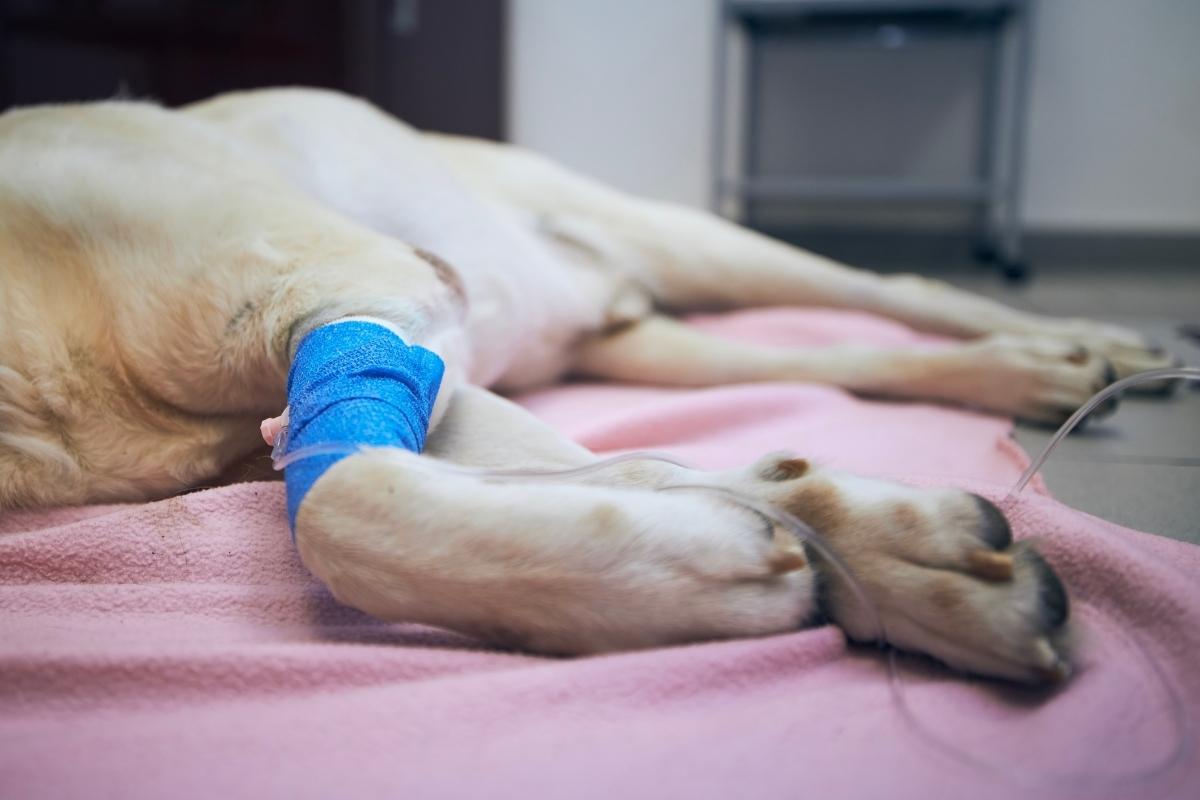
Seeing your beloved pup hold back a playful sprint or gingerly step off the grass can break any pet parent’s heart. Your dog’s comfort and mobility are vital to their happiness — and sudden limping is a red flag no owner should ignore. One common (yet often overlooked) cause of limping in dogs is a ligament injury. Early detection can mean the difference between a quick recovery and a chronic problem. In this guide, we’ll walk you through the key signs that your dog’s limp may stem from a ligament injury — plus exactly what to do next.
Understanding Dog Ligament Injuries
Ligaments are tough, fibrous tissues that connect bones to each other, stabilising joints. In dogs, the most frequently injured ligament is the cranial cruciate ligament (CCL) — similar to the ACL in humans — located just behind the knee (stifle joint). A torn or strained CCL is a leading cause of hind‑leg limping.
Common ligament injuries also occur in the shoulder, ankle, or elbow. These injuries rarely heal on their own and often worsen without proper care.
Why Do Ligament Injuries Happen in Dogs?
Several factors can lead to a ligament injury:
- Sudden Twists or Turns – Chasing a squirrel, playing fetch, or slipping on a smooth floor can cause the ligament to overstretch.
- Obesity – Extra weight puts immense pressure on joints and ligaments.
- Age & Breed Predisposition – Older dogs and large breeds (e.g., Labrador Retrievers, German Shepherds, Rottweilers) are especially vulnerable.
- Degenerative Changes – Over time, ligaments can weaken, making tears more likely even from minor movements.
Remember: A ligament injury can happen in a split second — even during ordinary play.
Key Signs Your Dog’s Limping Is a Ligament Injury
Watch for these tell‑tale symptoms. If you notice two or more, seek veterinary attention promptly.
- Sudden Onset Limping – Your dog may stop mid‑run and refuse to bear weight on one hind leg.
- Swelling Around the Knee (Stifle) – Gently feel the area; it may feel warm or puffy.
- Reluctance to Jump, Run, or Climb Stairs – They may sit instead of standing or avoid getting on the couch.
- “Bow‑Legged” Stance – When standing, the injured leg often bends outward (a classic CCL sign).
- Pain When the Joint Is Moved – If you gently bend/extend the knee, your dog may whimper or pull away.
- Muscle Wasting – After a few days, the thigh muscle above the injured knee may look noticeably thinner.
Immediate Steps to Take When Your Dog Is Limping
If you suspect a ligament injury, act fast to prevent further damage:
- Rest & Restrict Activity – Keep your dog calm and confined. No runs, jumps, or playtime for 48‑72 hours.
- Apply Cold Therapy – Wrap an ice pack (or frozen peas) in a thin towel and apply to the swollen area for 15 minutes, 3‑4 times daily. Never apply ice directly to the skin!
- Prevent Weight‑Bearing – Use a pet harness or sling to help them walk if they must move.
- Monitor Closely – Note when the limp worsens or improves. This information is gold for the vet!
Do NOT give human pain meds! Many are toxic to dogs.
How Veterinarians Diagnose a Ligament Injury
After resting your dog, schedule a vet visit. Diagnosis typically involves:
- Physical Examination – The vet will test joint stability (the “drawer test” for CCL injuries).
- X‑rays – To rule out fractures and assess joint alignment.
- Advanced Imaging (if needed) – An MRI or CT scan may be recommended for complex cases.
Pro Tip: Bring a short video of your dog limping. It helps vets pinpoint the issue!
Treatment Options for Dog Ligament Injuries
Treatment depends on severity, age, size, and overall health.
Conservative Management (for minor strains or small dogs):
- Strict rest for 4‑8 weeks
- Controlled physical therapy (e.g., gentle swimming)
- Weight management & joint‑support supplements (glucosamine, chondroitin)
Surgical Intervention (most common for CCL tears):
Procedures like TPLO (Tibial Plateau Levelling Osteotomy) or TTA (Tibial Tuberosity Advancement) stabilise the knee. Most dogs return to normal activity within 4‑6 months post‑surgery!
When to Contact a Veterinarian Immediately
Don’t wait! Reach out to your vet right away if your dog shows any of these:
- Inability to bear any weight on the leg
- Severe swelling or obvious deformity
- Non‑stop whining or signs of intense pain
- Limping that doesn’t improve after 48 hours of rest
Early intervention dramatically improves outcomes.
Preventing Ligament Injuries in Dogs
You can lower the risk!
- Maintain a Healthy Weight – Overweight dogs are 2‑3× more likely to tear ligaments.
- Use Joint‑Support Supplements – Start these in middle age, especially for large breeds.
- Avoid Slippery Surfaces – Use non‑slip rugs or booties on icy sidewalks.
- Gradual Exercise Increases – Don’t suddenly double walk/run time. Build endurance slowly.
- Regular Vet Check‑ups – Annual exams catch early joint wear.
Discovering your dog is limping can feel alarming, but knowledge is your best tool. By recognizing the signs of a ligament injury early — swelling, reluctance to move, or that tell‑tale “bow‑legged” stance — you can act swiftly to protect your furry friend’s long‑term mobility.
Your next step? If your dog is limping today, schedule a veterinary appointment immediately. Early care leads to faster, smoother recoveries!
If you are searching “veterinary near me” for a local vet who focuses on orthopedic care, Westerville Veterinary Clinic offers advanced surgical and rehabilitation options for ligament injuries. Their team develops personalized recovery plans to help your dog return to comfortable movement.
Your pup relies on you to keep them healthy — and you’re doing an amazing job!
Frequently Asked Questions:
Q1: How can I tell if my dog’s limp is a ligament injury vs. a sprain?
Ans: Ligament injuries usually cause immediate, severe limping and joint swelling. Sprains may improve within 24‑48 hours. Persistent swelling or a “bow‑legged” stance points to a ligament issue.
Q2: Can a dog heal a torn ligament without surgery?
Ans: Small dogs sometimes heal with strict rest and rehab, but most medium‑to‑large dogs need surgery for full function. Untreated tears lead to arthritis.
Q3: How long does recovery take after CCL surgery?
Ans: Most dogs begin light activity in 8‑10 weeks and achieve full recovery in 4‑6 months with proper rehab.
Q4: Are puppies prone to ligament injuries?
Ans: It’s rare in puppies under 1 year, as their ligaments are still developing. Limping in young dogs is more often due to trauma or growth plate issues—see a vet promptly!
Q5: Is limping always an emergency?
Ans: Not always, but any sudden limp warrants a vet call within 24 hours. Delaying care can worsen the injury.
Q6: Can supplements really help prevent ligament injuries?
Ans: Absolutely! Glucosamine, MSM, and omega‑3 fatty acids support joint health and reduce inflammation, lowering injury risk—especially in active or senior dogs.