Back To Main Site

What to Do If Your Pet Is Hit by a Car: A Complete Guide for Pet Owners
Witnessing your pet being hit by a car is every pet owner’s nightmare. It’s a traumatic and emotional experience, but what you do in the immediate aftermath can greatly influence your pet’s chances of survival and recovery. At West Vets Emergency Veterinary Clinic in Westerville, Ohio, we specialize in emergency care and are prepared to help during these critical moments. This guide will provide you with everything you need to know, from the first steps to take, to what happens at the clinic, to how to help your pet recover.
Immediate Steps to Take
1. Ensure Your Safety
Before rushing to your pet’s aid, take a moment to ensure your own safety. If your pet is in the middle of the road, check for oncoming traffic and signal drivers to slow down. Avoid creating additional accidents by staying calm and aware of your surroundings. If necessary, enlist help to redirect traffic.
2. Assess Your Pet’s Condition
Approach your pet slowly and calmly. Pets in pain or shock may react unpredictably, even to their owners. Speak gently and avoid sudden movements. Look for signs of consciousness, such as:
- Breathing or panting
- Eye movement or blinking
- Vocalizations, such as whining or growling
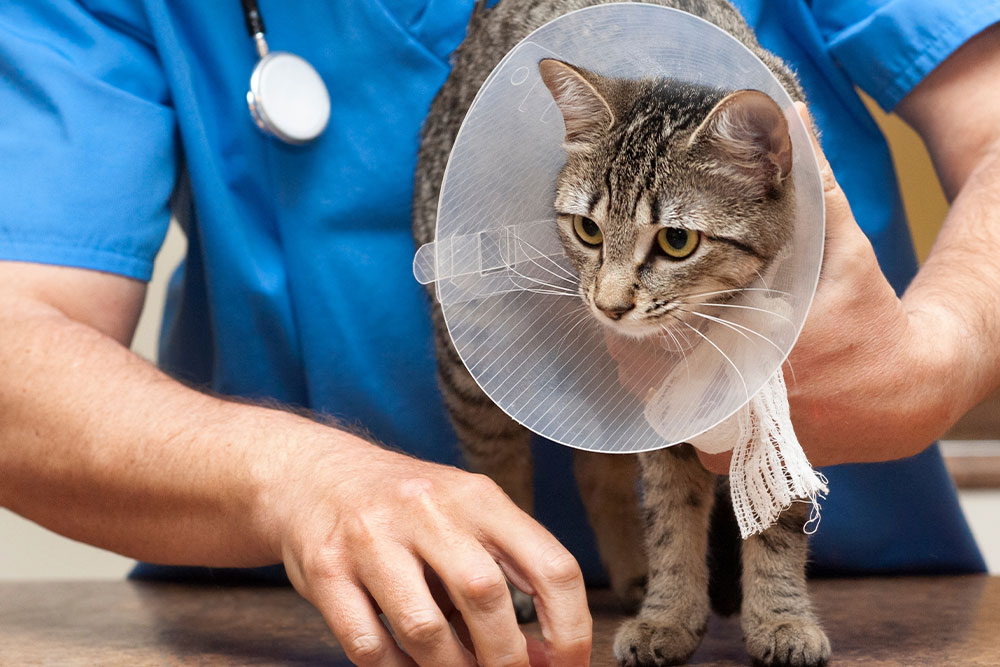
If your pet appears unresponsive, check for breathing and a heartbeat. Moving your pet will be necessary to get to veterinary care, and should be done with extreme precaution as this could worsen injuries such as fractures or spinal trauma. Use a towel or board as a stretcher if needed. Muzzles or e-collars may be needed to prevent bites, especially if the pet is painful.
3. Contact an Emergency Veterinarian
Time is critical in these situations. Call West Vets Emergency Veterinary Clinic or the nearest emergency clinic as soon as possible. Provide the staff with a brief description of the situation and your pet’s condition so they can prepare for your arrival. Having our contact information readily available (Contact Page) can save precious time.
Understanding the Severity of Injuries
Pets struck by vehicles often suffer from a mix of visible and internal injuries. Even if your pet seems fine, hidden damage could still be present. Always seek veterinary care after such an incident.
Signs of Injury
Here are common injuries and symptoms to look for:
- Visible Wounds: Cuts, abrasions, or heavy bleeding may indicate deeper trauma.
- Difficulty Breathing: Could result from rib fractures, lung damage, or internal bleeding.
- Lameness or Inability to Move Limbs: Often caused by broken bones or joint injuries.
- Shock Symptoms: Pale gums, rapid heart rate, weak pulse, or cold extremities indicate shock, which is life-threatening.
- Head Trauma: Signs include disorientation, unequal pupils, or seizures.
Even if your pet appears to recover quickly, internal injuries such as organ damage or internal bleeding may take hours or even days to show symptoms. Early intervention is key to a better prognosis.
What to Expect at the Emergency Clinic
Upon arrival at West Vets Emergency Veterinary Clinic, our team will prioritize your pet’s care. The first step is to stabilize your pet’s condition and assess the extent of their injuries.
Initial Stabilization
Stabilizing your pet is the first and most important step. This may include:
- Administering Oxygen: For pets experiencing respiratory distress.
- Controlling Bleeding: Applying pressure to wounds to prevent further blood loss.
- Pain Management: Using medications to alleviate discomfort.
- Fluid Therapy: To treat shock and maintain blood pressure.
Diagnostic Tests
Once your pet is stable, we will perform diagnostic tests to evaluate their injuries. These may include:
- X-Rays: To detect fractures, spinal injuries, or lung trauma.
- Ultrasound: To check for internal bleeding or organ damage.
- Blood Work: To assess organ function and monitor for signs of shock or anemia.
Treatment
The course of treatment depends on the nature and severity of your pet’s injuries. Common treatments include:
- Surgery: To repair fractures, address internal bleeding, or remove damaged organs.
- Wound Care: Cleaning, suturing, or bandaging open wounds.
- Pain Management: Ongoing pain relief to keep your pet comfortable.
- Monitoring: Continuous observation to detect and address complications.
Our experienced team will communicate with you throughout the process, keeping you informed and involved in your pet’s care.
The Recovery Process
Recovery from a car accident can be a long process, but with proper care, many pets make a full recovery.
Follow-Up Care
- Scheduled Check-Ups: Follow-up visits are essential to monitor healing and adjust treatments as needed.
- Medications: Pain relievers, antibiotics, or anti-inflammatory drugs may be prescribed to support recovery.
- Restricted Activity: Rest is critical for healing, especially for pets recovering from fractures or surgery.
Physical Rehabilitation
For pets with mobility issues, physical therapy may be recommended. Options include:
- Hydrotherapy: Water exercises to rebuild strength with minimal strain.
- Laser Therapy: Reduces inflammation and promotes healing.
- Strengthening Exercises: Guided movements to restore function and mobility.
Emotional Recovery
Some pets may develop anxiety or behavioral changes after a traumatic event. Be patient and provide a calm, reassuring environment. If behavioral issues persist, consider consulting a veterinary behaviorist.
For more information on recovery services, visit our Services Page.
Preventing Future Accidents
While accidents can happen to anyone, taking preventive measures can reduce the risk of future incidents.
Safety Tips
- Leash Your Pet: Always use a leash during walks, especially near busy roads.
- Secure Your Yard: Ensure your fence is sturdy and escape-proof.
- Supervise Outdoor Play: Keep a close eye on your pet, particularly near driveways or streets.
Obedience Training
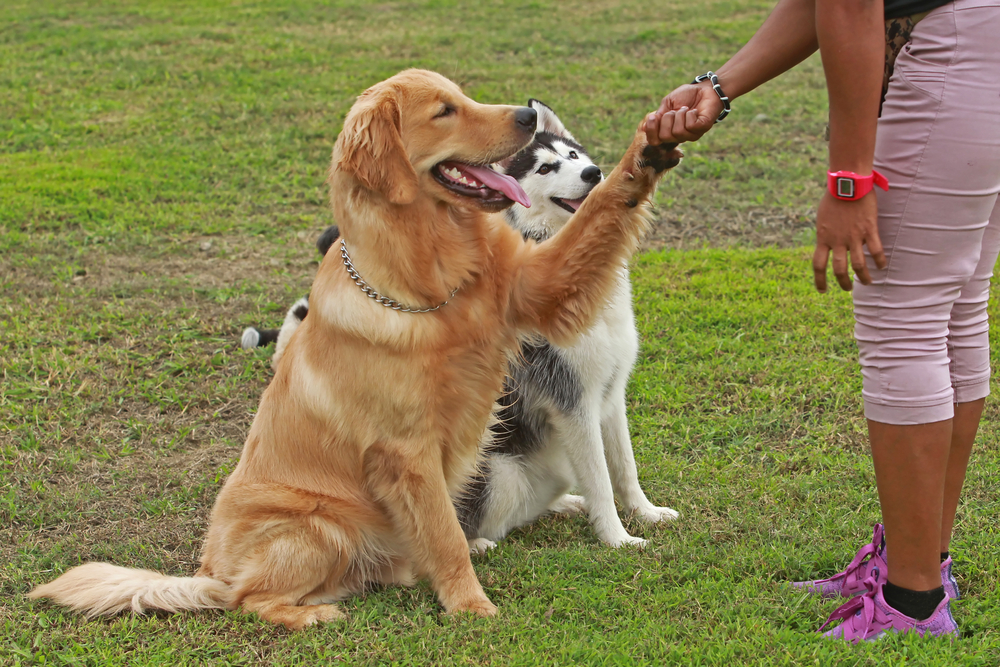
Training your pet to follow basic commands like “stay,” “come,” and “leave it” can be life-saving. Invest time in consistent training or enroll in a professional class to reinforce these skills.
Recognizing Emergencies
Knowing the signs of an emergency can help you act quickly and decisively.
Critical Symptoms
- Heavy Bleeding: Blood loss that doesn’t stop after applying pressure.
- Breathing Issues: Rapid, shallow, or noisy breathing.
- Unconsciousness: Lack of responsiveness or failure to wake up.
- Visible Bone Fractures: Open wounds exposing bone or unnatural limb angles.
- Shock Symptoms: Pale gums, cold extremities, or a weak pulse.
If your pet shows any of these signs, seek veterinary care immediately.
FAQs and Preparedness
FAQs
- What should I do if my pet is unconscious?
Keep them as still as possible and call your veterinarian for guidance. Avoid unnecessary movement. - Can I give my pet human painkillers?
Medications like ibuprofen or acetaminophen can be toxic to pets. Only use medications prescribed by your veterinarian.
Preparedness Tips
- Save Emergency Contacts: Keep our number in your phone and post it in a visible spot at home.
- Create a Pet First Aid Kit: Include essentials like bandages, antiseptic wipes, and a digital thermometer.
- Know Your Pet’s History: Have vaccination and medical records readily available in case of emergencies.
Trust West Vets for Compassionate Emergency Care
At West Vets Emergency Veterinary Clinic, we’re here to provide expert care when your pet needs it most. If your pet is ever hit by a car, don’t wait—call us or visit our clinic immediately. Acting quickly can save your pet’s life and minimize long-term complications.
For more information, visit our Contact Page or call us anytime. Together, we’ll help your pet recover and get back to living their best life.
By staying prepared and knowing what to do, you can ensure your pet receives the care they need when it matters most. Remember, your quick action and our dedicated team can make all the difference.